We’d like to remind Forumites to please avoid political debate on the Forum.
This is to keep it a safe and useful space for MoneySaving discussions. Threads that are – or become – political in nature may be removed in line with the Forum’s rules. Thank you for your understanding.
DIY Stable Renovation: Need Your Advice and Ideas!
Comments
-
They are already in place, and butted up? Can't think of an easy way, but certainly brush PVA firmly and repeatedly into the butt, and repeatedly flex the boards along the joint as you do so, so it works its way right in. Wipe away excess with a damp cloth. It'll help, but no idea how much.
1 -
I’m currently stuck with the shed insulation work because, to complete the internal lining with plywood on the side walls and ceiling, I first need to get the electrical work done.The shed previously had an electrical connection, but when I bought the property, the connection had already been disconnected and the cable was no longer connected to the shed. I already renovated shed to much higher level its insulated space now.
After looking into it, I’ve realised that the electrical work is no longer something I should treat as a DIY job because of the regulations and safety requirements.
I’ve managed to find what appears to be a spare, unused B20 connection in the garage consumer unit/connection box. I believe one of these may have been used previously to supply the shed. The shed is approximately 50 metres from the garage, so I assume I’ll need around 50 m of SWA cable and the appropriate protection and equipment.
The main issue I’m facing now is the sequence of the work. I can’t complete the plywood lining on the walls and ceiling until the internal electrical wiring is installed. However, the sockets, switches and lights can only be properly fitted after the ceiling and wall lining is completed.
I’m therefore getting a bit stuck and would really appreciate some guidance on the best way to approach this. I’m hoping to get everything completed within the next two months, as otherwise painting and finishing the shed during the winter will be difficult.
I also have a few questions about finding the right electrician. Is it better to use Checkatrade, MyBuilder, or another platform? Should I look specifically for an electrician with experience in outbuildings/garden rooms and SWA installations?
I’m also not sure how the materials normally work. Do electricians usually supply the cable, consumer unit, sockets, etc., or should I buy the materials myself and ask them to install them? If they supply the materials, how can I make sure they are good-quality, reliable products that will last?
Finally, what certificates and documentation should I expect from the electrician once the work is completed? Should I specifically ask for a qualified/registered electrician or someone registered with a particular competent person scheme?
There are quite a few things I’m unsure about, so I’d really appreciate some guidance on the best way to proceed.
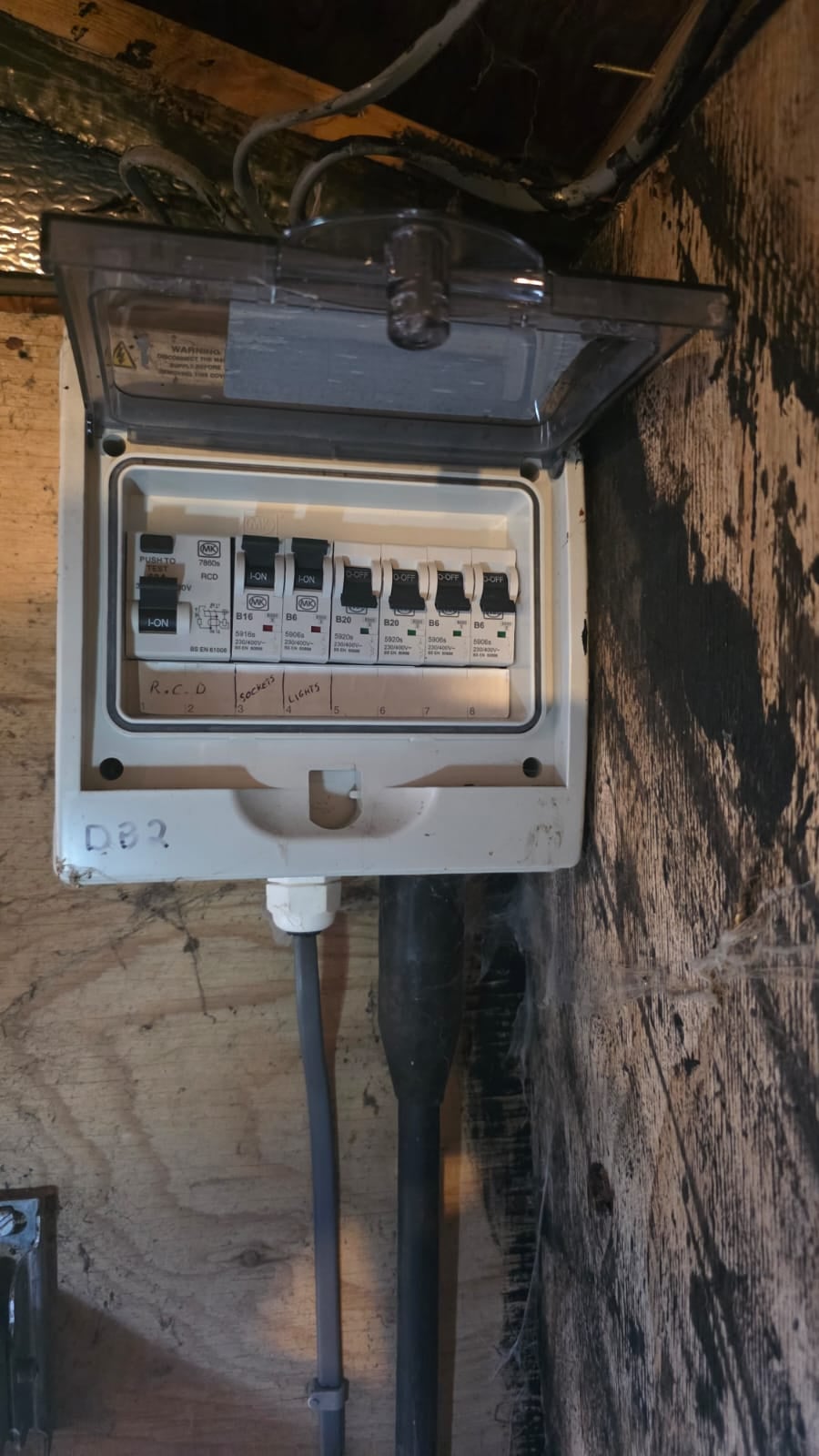
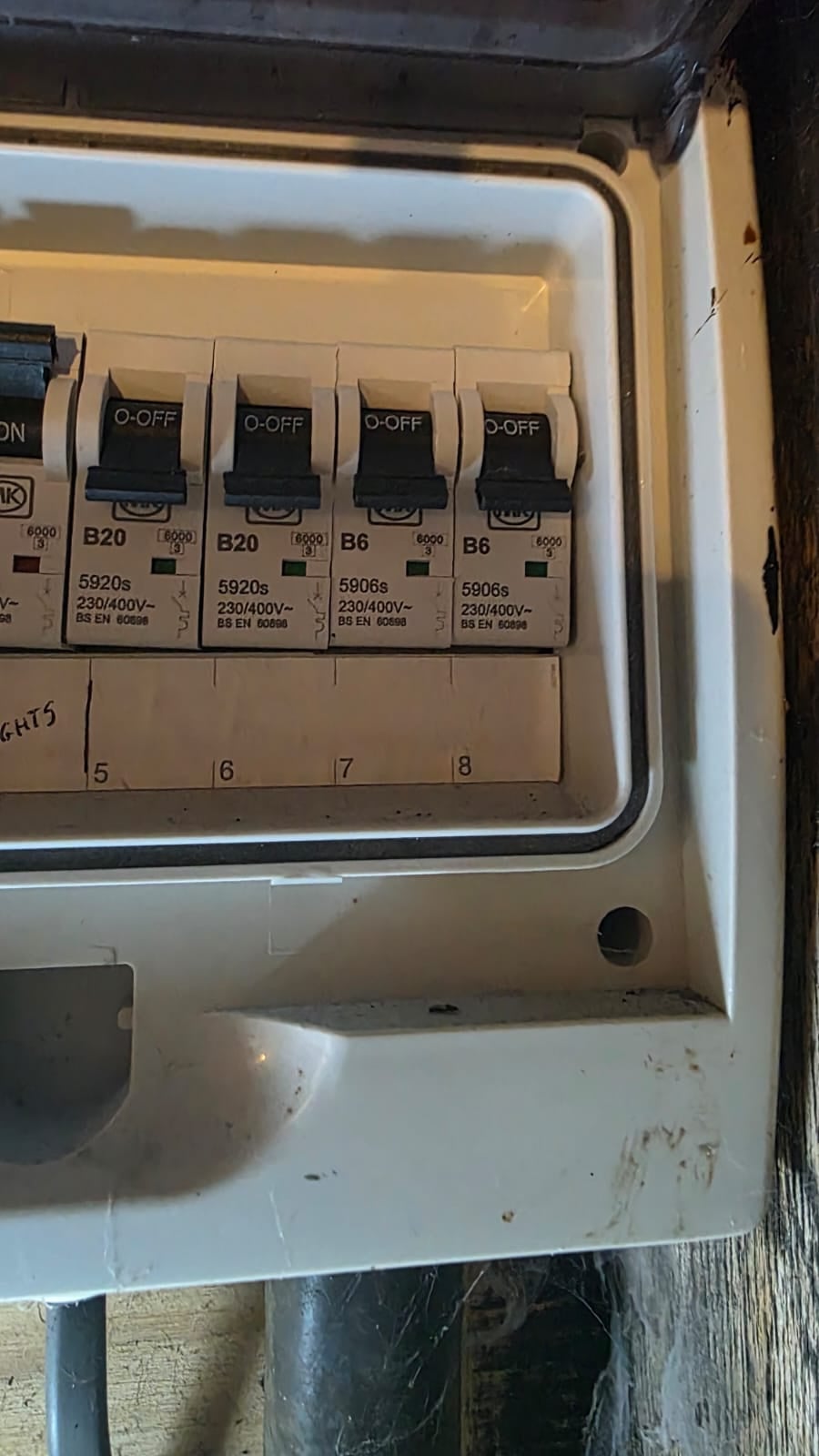
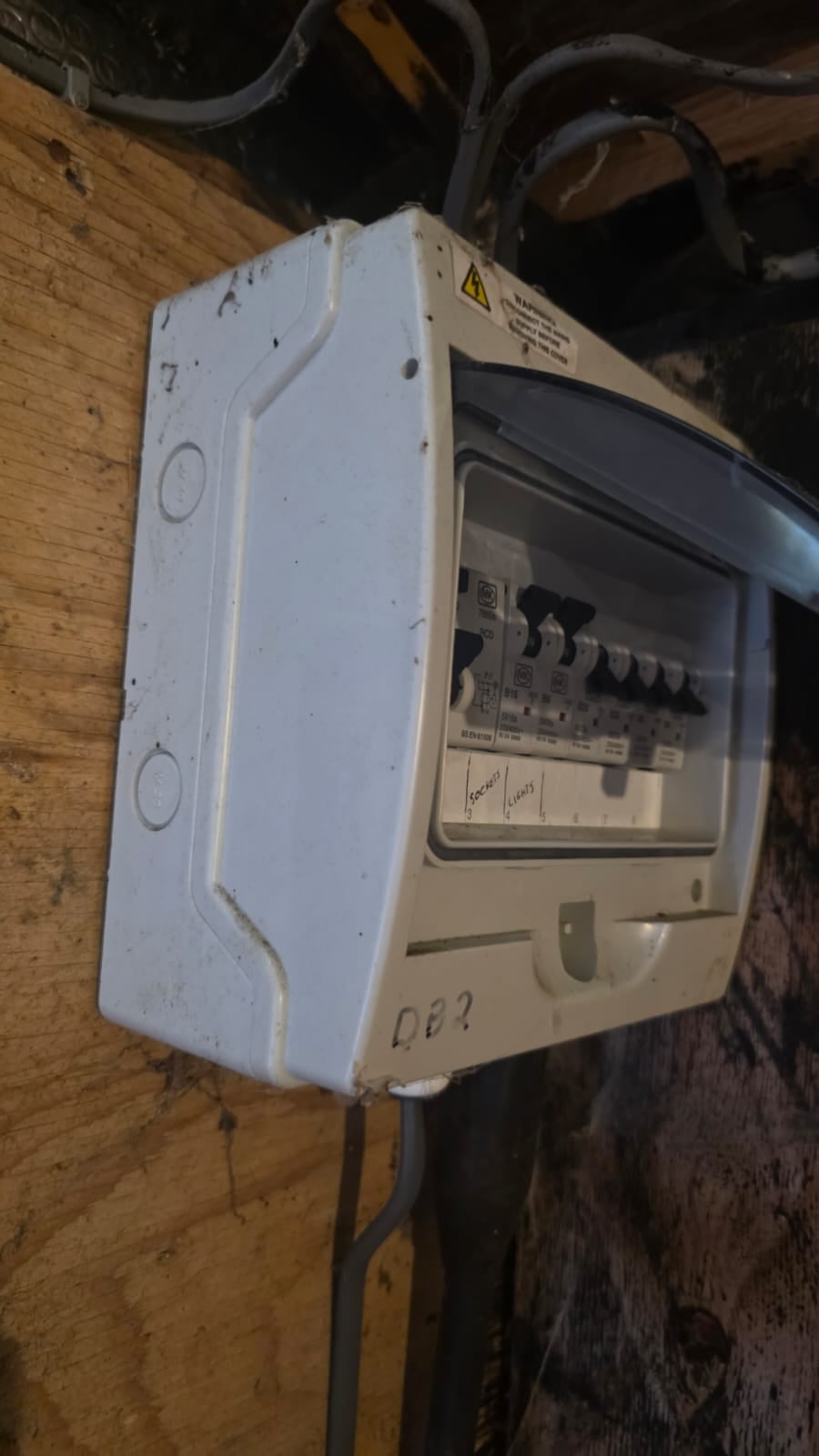 0
0 -
Using them website could get you some not very good sparkies but other people may say otherwise.
Ask friends and neighbours (if know of any neighbours) for recommendations and go from there.
As for supplying your own gear I would get them to price up the job for work and including materials because if you supply them and there's an issue then you will have pay more for thier time while you source suitable replacements but if they mess up or the materials have an issue then it's up to them to sort out.
As for who to get or what tickets are needed I don't know.
1 -
The main issue I’m facing now is the sequence of the work. I can’t complete the plywood lining on the walls and ceiling until the internal electrical wiring is installed. However, the sockets, switches and lights can only be properly fitted after the ceiling and wall lining is completed.
Personally I'd do the electrics using surface mounted plastic conduit or trunking. The problem with putting PVC cables inside walls of sheds and outbuildings is that no matter how careful you are, vermin will get in somehow. If you've got an unprotected cable in the wall then the vermin (for example mice) may start chewing the insulation. If the cable is hidden in the wall then you won't know until either a) the electric trips out for no apparent reason or b) the shed goes up in flames.
Cables inside conduit or trunking have additional protection - even plastic versions make it harder for mice to chew. And being surface-mounted means if any chewing is more likely to be visible.
If you accept the slightly less appealing look of surface mounted conduit/trunking then your problem is solved. You can finish all the lining without having to wait for the electrics to be done.
I think you are doing the right thing getting an electrician in. I think I said that earlier in the thread. If you are paying for them to do the work then I'd strongly suggest them running a new supply direct from the house - ideally from the main consumer unit. This will mean the shed load can be the maximum allowable with your new supply, rather than being load-limited by the existing arrangement to the garage. There's also a benefit that if you do something like putting a freezer in the shed and/or garage then the power tripping off in one building won't affect the other.
The absolutely vital and essential thing you must make sure of is the electrics are done with the correct earthing arrangement for your circumstances. This may mean having the shed set up as a 'TT arrangement'. The elctrician you use should understand this and be able to suggest the safest option.
Generally you'll probably get a better overall price if you let the electrician buy the materials they need. They might not source the cheapest and/or might put a markup on materials, but if you insist on buying your own materials they are likely to bump up the labour costs to allow for the hassle. It is worth asking the question though.
Where you can make a saving is doing the digging to install the underground cable. I'd suggest you (with the electrician's agreement) put in ducting for the SWA cable, rather than burying it direct, which would allow the electrician to just pull the SWA cable through when they are ready. Also, whilst you've got a hole in the ground, put in one or more extra ducts (with separation from the mains) to use for ethernet/CCTV/[something else not yet invented].
2 -
With Section62 - Use 20mm conduit and metal sockets/switches. This space isn't (likely) to be habitable, so an industrial look will be appropriate. If you want to "tart it up", go for steel conduit, although you'd probably need an electrician more familiar with commercial work.
Any language construct that forces such insanity in this case should be abandoned without regrets. –
Erik Aronesty, 2014
Treasure the moments that you have. Savour them for as long as you can for they will never come back again.1 -
I managed to speak to a qualified electrician, and he has given me two options:
Option 1: Use a spare connection from the garage, with approximately 60 m of 6 mm² SWA cable to the stable. This option would allow a maximum heater load of around 2 kW.
Option 2: Take a dedicated connection directly from the house consumer unit, using a larger SWA cable over the approximately 40 m distance to the stable. This would provide a higher available load capacity.
Previously, I have seen people recommending taking the supply directly from the house consumer unit rather than from the garage. I would like to understand the advantages and disadvantages of doing this. Are there any potential pitfalls or things I should be aware of when taking the supply directly from the house rather than using the garage connection?
I am also considering doing the trench digging myself to reduce the overall cost. Apart from saving money, there is another reason I prefer this approach: the trench will need to run in front of the house, where we normally park the car, so I would prefer to manage the timing and digging myself.
I would really appreciate some additional advice and input on the best way to approach this, particularly regarding:
- The pros and cons of taking the supply directly from the house versus the garage
- Whether digging the trench myself is a sensible option
- Anything I should ask the electrician to specify before I start digging
I am keen to make the right decision now, as I would rather install the correct cable and infrastructure once rather than have to redo it later.
Also if I decide to change to take connection from Home CU is that means not just SWA capacity even internal wire capacity need to be changed..?
Thanks in advance for any advice.
BTW yet to get any quote..Not sure what is reasonable quote in this case..?
0 -
Previously, I have seen people recommending taking the supply directly from the house consumer unit rather than from the garage. I would like to understand the advantages and disadvantages of doing this. Are there any potential pitfalls or things I should be aware of when taking the supply directly from the house rather than using the garage connection?
As I've mentioned before, the pitfalls of taking the supply from the garage are primarily that 1) you are load-limited by the spare capacity of the existing circuit and 2) If the supply to the garage fails* then you also lose supply to the 'stable'. (*The power to the garage could fail due to e.g. a cable/equipment fault, or a 'trip' due to something like a lamp blowing or water leaking in somewhere)
At the distances you are talking about you also have limitations due to 'voltage drop'. If the power first goes to the garage (how far is that from the consumer unit?) and then goes another 60m to the 'stable', then you'll have a greater voltage drop than if the supply goes to the 'stable' direct (40m). To comply with the wiring regs the electrician would have to limit the voltage drop by increasing the cable size, but you wouldn't gain the benefit of the additional cost of the larger cable because you are still load-limited.
The reasons for the electrician saying you'd have a 2kw limit could either be due to the spare capacity of the garage circuit, or due to the voltage drop limit - but in reality probably a bit of both.
The pitfall of taking the supply direct from the main consumer unit is needing to run a cable into the house to wherever the consumer unit is located. That could be disruptive and messy, but it depends exactly where the consumer unit is and what options you have for routeing the cable. In some cases another pitfall from going back to the main consumer unit would be needing a longer length of cable, but that doesn't apply in your circumstances.
In your case, unless taking a supply from the main consumer unit was going to be very difficult, there is zero benefit (only disbenefits) from taking the supply from the garage instead. And if it were very difficult to take the supply from the main consumer unit then I'd expect the electrician to have told you this already.
Questions for the electrician - what kind of duct does he want you to use if you are doing all the trenching yourself, the 'minimum radius', and does he want you to put a 'drawstring'/'drawcord' in the duct.
Also if I decide to change to take connection from Home CU is that means not just SWA capacity even internal wire capacity need to be changed..?
If the electrician goes all the way back to the consumer unit then you'd have new internal wiring for that circuit anyway.
1 -
Thanks for all the input.
I’ve decided to take the supply directly from the house consumer unit, with 10 mm² SWA to the stable, to allow for a heater over 2 kW and other equipment in the future.
I have two questions:
1. What is the best route for the SWA?
- Option 1: Run it clipped to the outside brick wall (high on outer wall), then bury it once it reaches the grass.
- Option 2: Dig a trench through the gravel and grass and keep the SWA underground for the whole route.
- Option 3: Run it clipped low along the wall, then bury it when it reaches the grass (this was suggested by elecrician).
I’m concerned that running the SWA higher/lower on the wall will look ugly. Which option would you recommend?
2. What is the best way to dig the trench?
I need approximately a 50 cm deep, narrow trench through gravel and grass. Electricians are quoting £300+ for the digging.
- Dig it manually with a trenching spade/mattock?
- Hire a small hand-held/portable digging machine? (any suggestion..?)
Pay someone around £500 to do it?
If anyone has used a small machine for this type of job, what did you use and was it worth it?
0 -
Just get a qualified electrician to do all the work as they will have the tools and knowledge how to do the job correctly and quickly.
Also if anything goes wrong it's down to tito sort it out at their expense. You doing some of the work and there's an issue later on an electrician will have to work out if it's your installation or the electrician's work that is causing problems.
£300+ is a small price to pay for doing the job in my opinion and as for the digging are you sure there is nothing in the ground that should not be there?
2 -
I’ve nearly finished the trench. It is currently 300–400 mm deep and about 200 mm wide in the grass area.Is this sufficient for the sparkies to lay 10 mm² SWA cable, or does it need to be deeper? Will be acceptable for electrician planned to start work next week? I know as per regulation it is 500mm+
I’m also planning to put a CAT6A S/FTP armoured, cable in the same trench. I can see Ethernet cable need to be 100mm away from SWA, I suppose I can do this by having these cables at 2 levels..? SWA at bottom as it got regulations to follow in depth but CAT6A 100 mm above SWA to meet separation requirements..?
Are there any other DIY steps I should take to keep these two cables in the same trench without interference? Thanks very much.
0









Confirm your email address to Create Threads and Reply

Categories
- All Categories
- 355.7K Banking & Borrowing
- 254.9K Reduce Debt & Boost Income
- 456.1K Spending & Discounts
- 248.3K Work, Benefits & Business
- 605.9K Mortgages, Homes & Bills
- 179K Life & Family
- 263.7K Travel & Transport
- 1.5M Hobbies & Leisure
- 16.2K Discuss & Feedback
- 37.7K Read-Only Boards