We’d like to remind Forumites to please avoid political debate on the Forum.
This is to keep it a safe and useful space for MoneySaving discussions. Threads that are – or become – political in nature may be removed in line with the Forum’s rules. Thank you for your understanding.
Putting up a dartboard board on thin wall
Comments
-
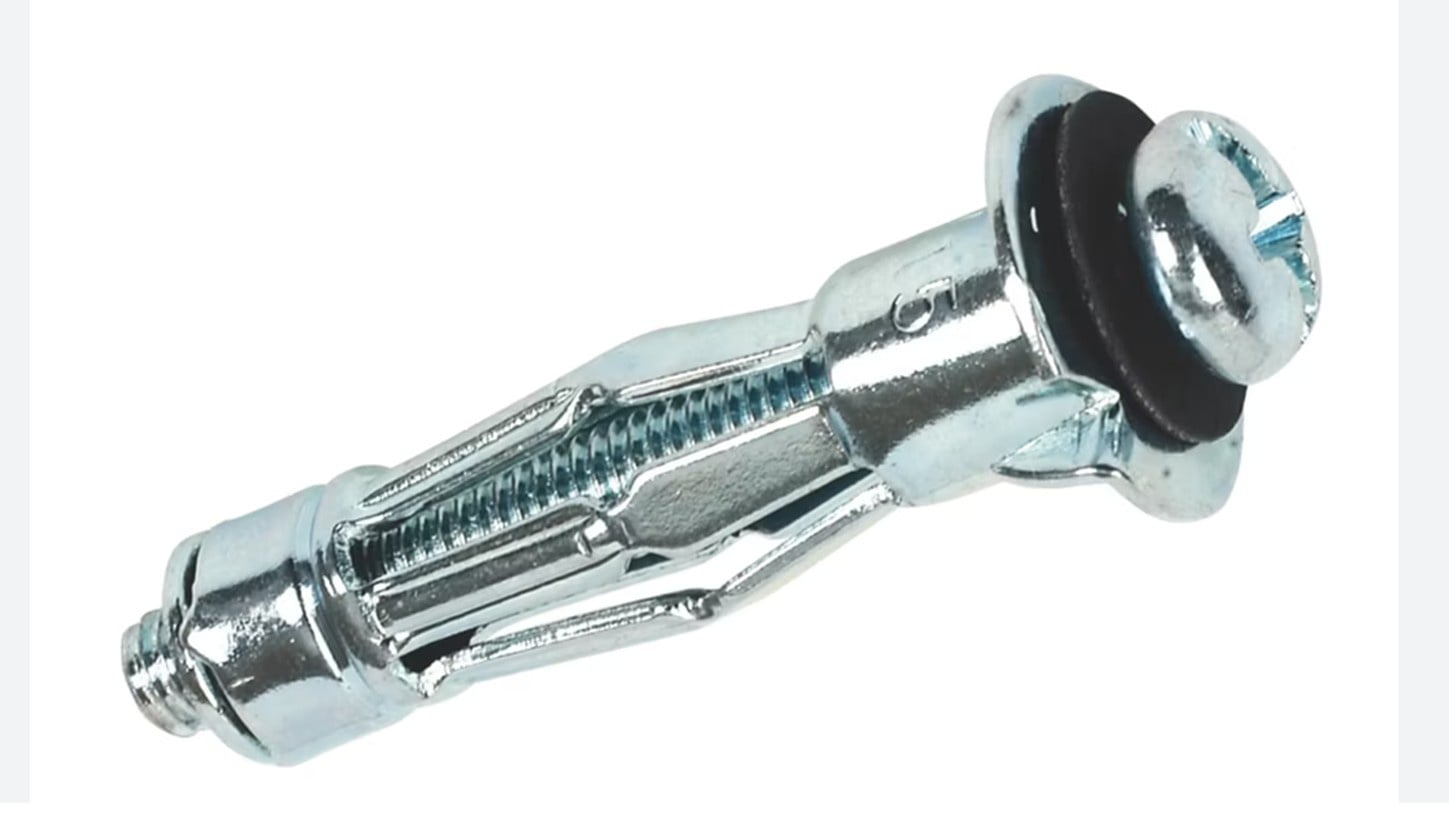
Yes, these are good, and were/are my go-to. But, they can be awkward for newbies, as they need keeping dead still for that initial screwing-expanding. If they part-turn during this process, they'll tear the front paper and damage the plaster.
I've even resorted to starting the screwing before fitting them - just that initial turn that starts the expanding bit moving. It is then much easier to continue with after they are in place. But you need to prevent them from turning until they are fitted in place.
There are neat tools available that'll 'plier' them into place, but probably not worth it unless you are fitting lots.
 0
0 -
Yes, but I find the sharp tabs stick into the board and prevent them turning, a good design. If your bracket or sheet material is thick, it sometimes won't go in far enough to engage the thread. So I like to put them in first and screw them up finger tight, then take out the bolt, put it through the bracket/bit of wood or whatever, then screw it in again when the threaded end has been pinched up closer to the back surface of the board. I believe the tool is called a drywall anchor setting tool, but my way works just as well without purchasing said tool
1 -
Yes, the sharp tabs stick in to the p'board and should prevent it from turning, but I've found the initial expanding screwing force required often rotated the fitting and threatened to wreck the surrounding p'board.
The fitting needs holding firmly to ensure it doesn't move during this initial stage. One way is to push the fitting in, but not fully 'home' - leave enough of the outer flange out to allow it to be grabbed by a pair of pliers or similar. Start screwing. Once the expansion has begun and the screwing becomes easier, then push it home, driving the tabs in.
0





Confirm your email address to Create Threads and Reply

Categories
- All Categories
- 355.1K Banking & Borrowing
- 254.7K Reduce Debt & Boost Income
- 455.8K Spending & Discounts
- 247.9K Work, Benefits & Business
- 605K Mortgages, Homes & Bills
- 178.8K Life & Family
- 262.7K Travel & Transport
- 1.5M Hobbies & Leisure
- 16.1K Discuss & Feedback
- 37.7K Read-Only Boards