We’d like to remind Forumites to please avoid political debate on the Forum.
This is to keep it a safe and useful space for MoneySaving discussions. Threads that are – or become – political in nature may be removed in line with the Forum’s rules. Thank you for your understanding.
📨 Have you signed up to the Forum's new Email Digest yet? Get a selection of trending threads sent straight to your inbox daily, weekly or monthly!
recessed light bulbs types





Every now and then I need to replace a recessed light bulb in my living room. No idea what to choose, except the low, medium or high watts, which is clear enough. What's the difference between 210 and 680 lm? Other important characteristics to match? Thanks
Comments
-
Pics? And what model is your current bulb?
Dimmer fitted?
If possible, switch to LED each time you replace a bulb.
0 -
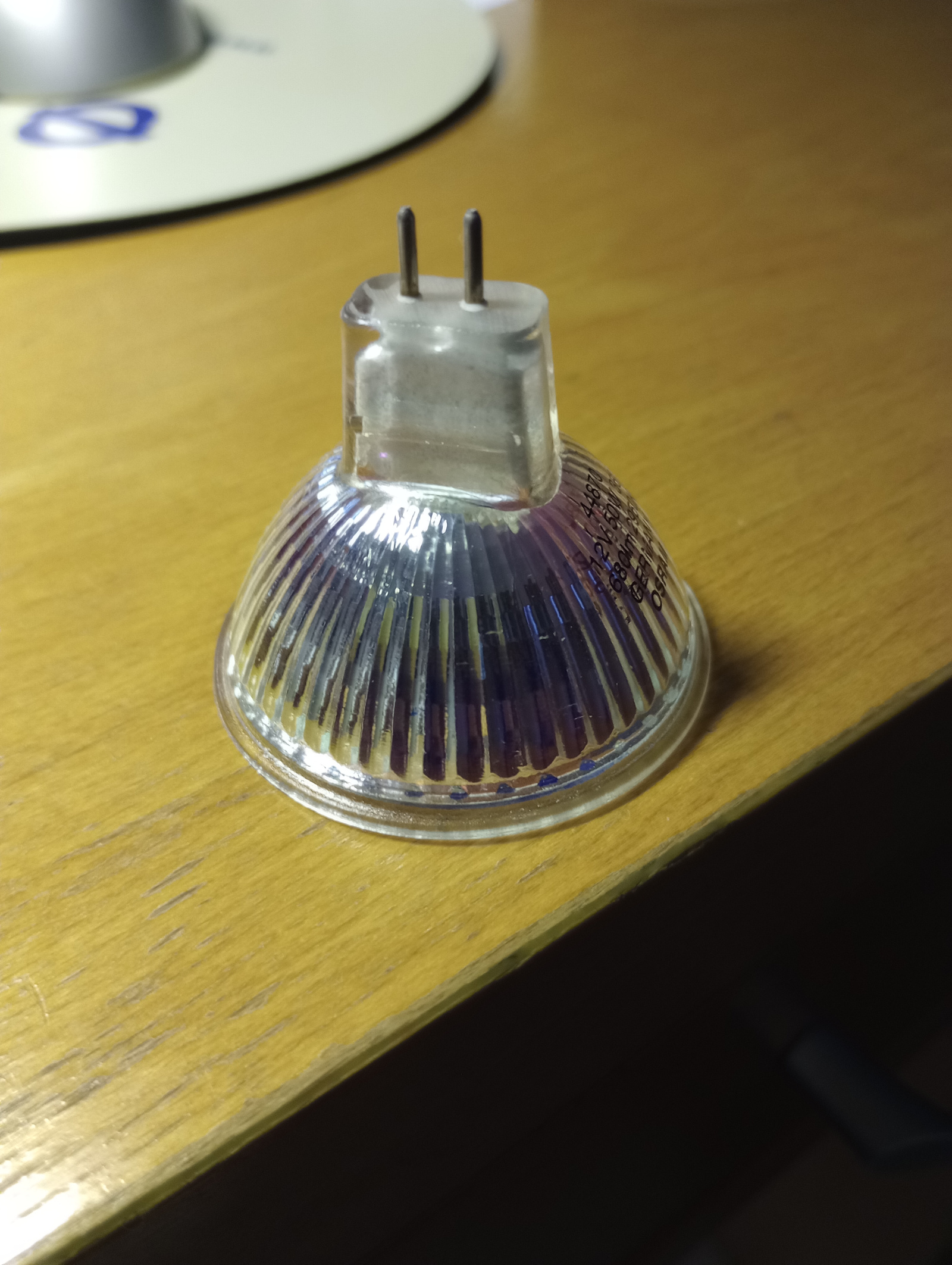
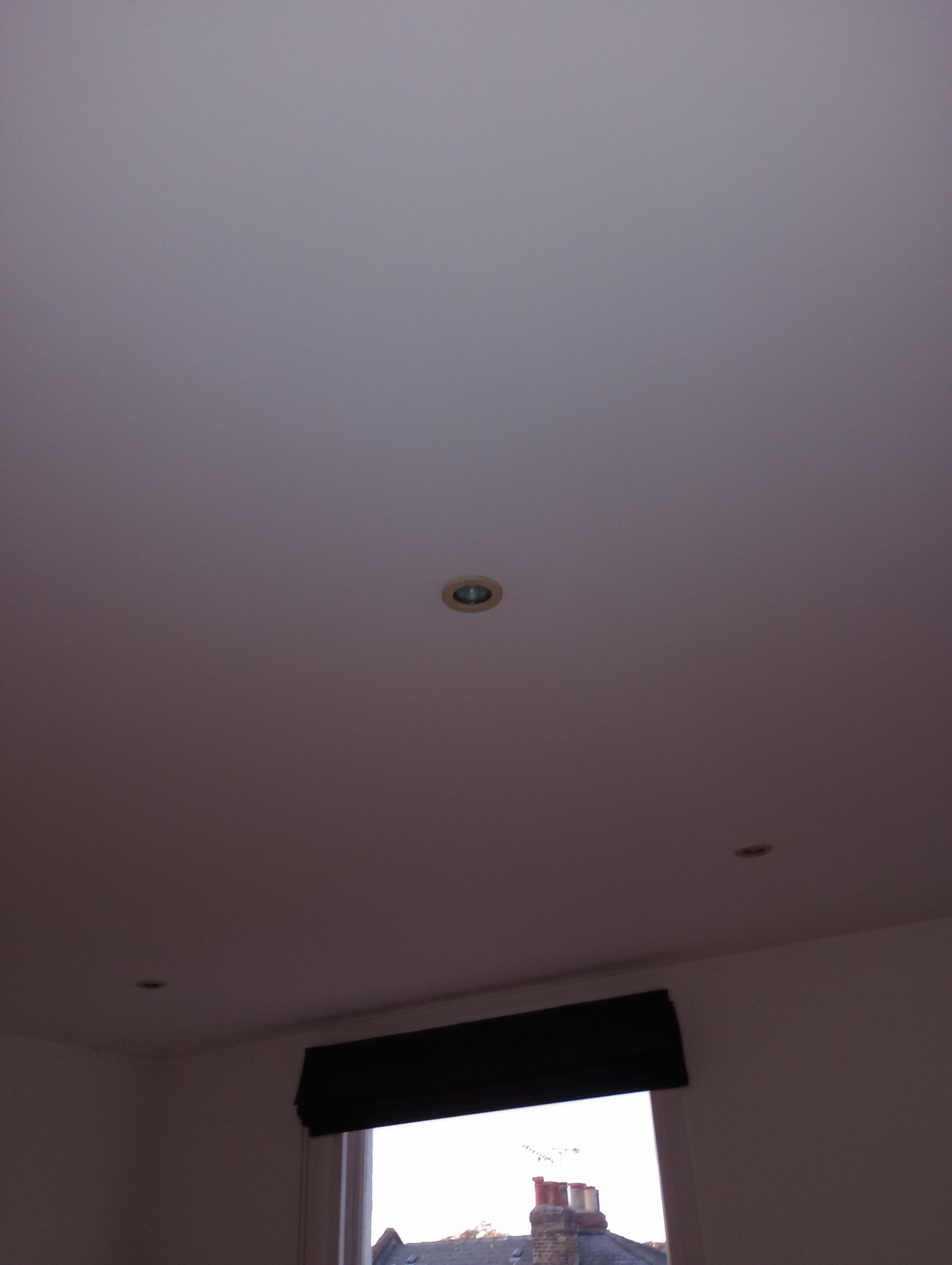
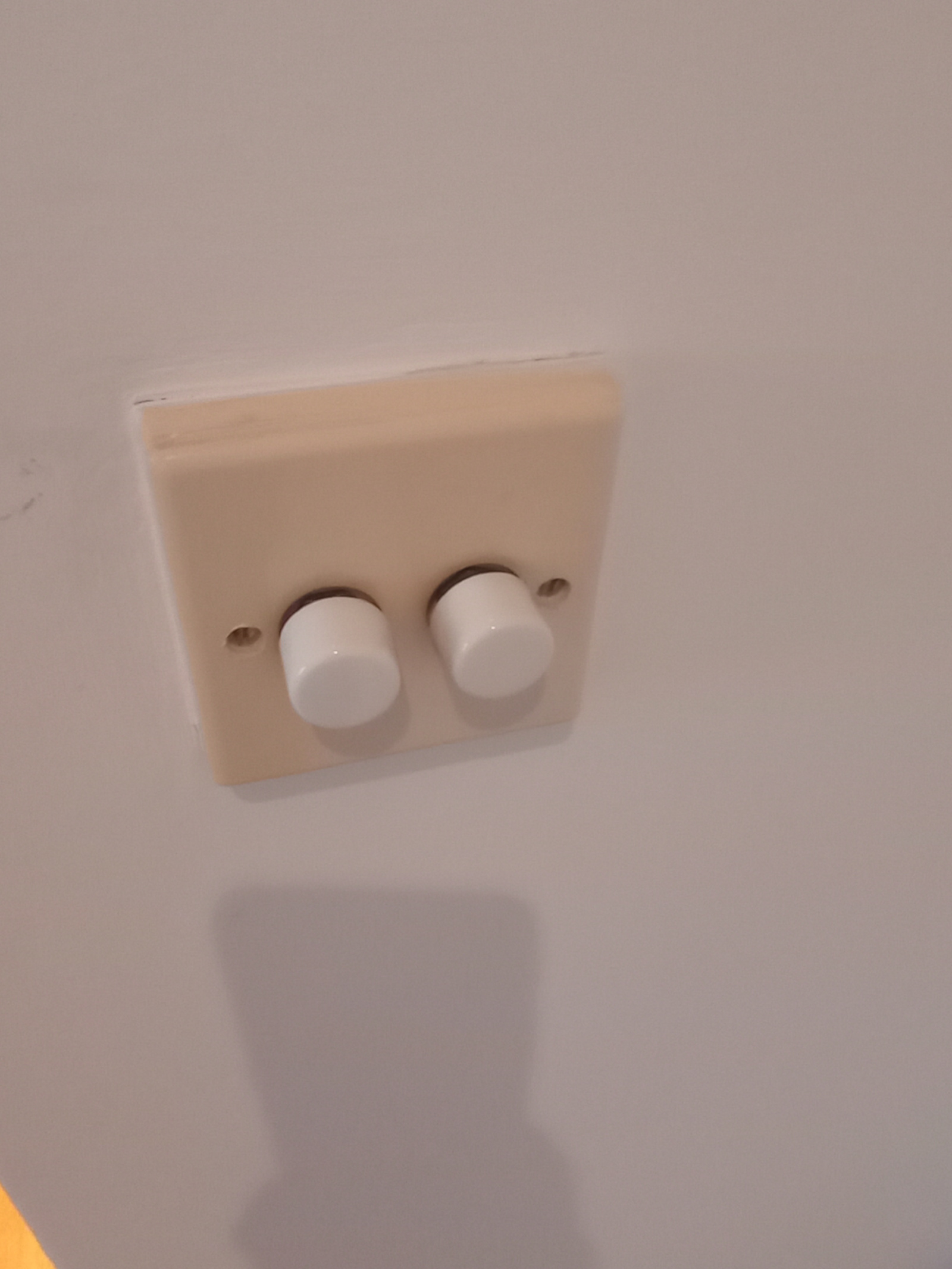
Also see the new characteristics

Thanks.
1 -
…No idea what to choose, except the low, medium or high watts, which is clear enough. What's the difference between 210 and 680 lm?…
lm, short for lumens, is a measure of the brightness, the amount of light given off by the bulb. So 680lm is about 3 times as bright as 210lm.
With respect, just saying a bulb is 'medium watts' isn't at all clear. How bright it actually is depends on all sorts of factors including the type of bulb.
Here is a useful table comparing the brightness of different bulbs and ratings, along with a good explanation (better than mine!) of the reasons for changing over to lumens:
2 -
Thank you!
0 -
Looks like you have 20watt 12volt halogen lamps. They are not energy efficient like LEDs
20watts is the power consumption, LEDs are typically less than 10watts.
210lumens is the light output, more lumens is brighter. You may also see colour temperature expressed in degrees K. Lower numbers give a warmer light, higher numbers for a harsher bluish light.
Halogen lights are dimmable and you appear to have dimmer switches. Some LEDs (not all) are dimmable, but you may need to change the transformers.
0 -
A new transformer to accommodate an LED bulb is likely to cost at least £7.99 and there may be an individual transformer for each light. So, it's unlikely to be cost effective to change the transformer(s).
1 -
Your actual removed lamp - the bare one in the first pic - is 12V 50W and 680lm.
The one in the box doesn't state the voltage, but is presumably (almost certainly) the same 12V, but only 20W and 210lm.
The difference in brightness will be very noticeable if the dimmer is turned up to max.
Both are GU5.3, which refers to the size, voltage and fitting - Ie 50mm dia, 12V and that type of push-in pin fitting.
So, Q - do you currently have a mix of these two output types installed? And are they bright enough - do you usually have the dimmer turned down or full on?
Yes, these will be supplied via a transformer, almost certainly located in the ceiling space. Possibly one per lamp, or perhaps a more powerful jobbie serves a number of lamps. To find out which, you'll need to extract a lamp holder - usually 'just' pulled straight out, but care required (ask for hints if you plan to do this) - and you stick yer hand up and follow the wires (with the power off, of course…)
My opinion - replace with LED equivalents if you possibly can. These will consume around a sixth of the power, run cool as opposed to skin-meltingly hot, and will last for donkey's.
Count the number of lights, and add up the combined number of watts at 50W a piece - that's a lot of 'background' power being consumed, hundreds of watts being consumed for possibly long stretches of time?
Ok, it might be - fair chance - that the dimmer control might cause issues with LEDs and will need replacing with a 'trailing edge' type. There's also a chance that the transformer(s) will struggle to cope due to - ironically - the LEDs demanding so little power. But, there's also a fair chance that you can replace most, or even all, of these with LEDs, and it all works fine.
Q - do you use the dimmer? Or are they generally turned on to max brightness? If so, could you bear to lose the dimmer and fit a 'switch'?
Oh, and how DIYish are you? Can you swap a light switch?
And, what's above that ceiling?
(LED colour 'temperature' is another issue, best left until you consider the other factors...)
0 -
Yikes!
I don't know in which room these lamps are located, but if it's, say, a kitchen or sitting room, then - at this time of year - would an hour or two each morn, and another 5 each eve be a reasonable estimate of use?
If so, comparing a single 50W with an equivalent 8W LED is £2.30 per month, as opposed to 38p. How many lamps in the ceiling?
Running at 6 hours per day, then annually; "Running an 8W appliance for 6 hours pd costs approximately £4.60 per year, whereas a 50W appliance costs approximately £28.78 per year." That's each bulb.
0 -
Can someone explain to an ignoramus why one would choose to use these low-voltage bulbs rather than the (physically similar) LED G10 bulbs running at mains voltage?
Obviously it's a decision that can only be made at installation or a rewire.
1 -
Can someone explain to an ignoramus why one would choose to use these low-voltage bulbs rather than the (physically similar) LED G10 bulbs running at mains voltage?
I think low-voltage halogen lamps came to market earlier than the mains-voltage ones did.
When I was doing some work on my first house in the middle 90s, my recollection is that low-voltage lamps were readily available and relatively cheap but mains-voltage ones weren't.
N. Hampshire, he/him. Octopus Intelligent Go elec / Fuse gas / Vodafone BB / iD mobile. Kirk Hill Co-op member.Economy 7 cap explainer. Gas vs E7 vs peak elec heating costs, Ecoflow Stream, Best kettle :-)
2.72kWp PV facing SSW installed Jan 2012. 11 x 247w panels, 3.6kw inverter. 37 MWh generated, long-term average 2.6 Os.0







Confirm your email address to Create Threads and Reply

Categories
- All Categories
- 355.8K Banking & Borrowing
- 254.9K Reduce Debt & Boost Income
- 456.2K Spending & Discounts
- 248.3K Work, Benefits & Business
- 606K Mortgages, Homes & Bills
- 179K Life & Family
- 263.8K Travel & Transport
- 1.5M Hobbies & Leisure
- 16.2K Discuss & Feedback
- 37.7K Read-Only Boards