We’d like to remind Forumites to please avoid political debate on the Forum.
This is to keep it a safe and useful space for MoneySaving discussions. Threads that are – or become – political in nature may be removed in line with the Forum’s rules. Thank you for your understanding.
📨 Have you signed up to the Forum's new Email Digest yet? Get a selection of trending threads sent straight to your inbox daily, weekly or monthly!
What are the best resources for stock picking?
Comments
-
I agree with what you're saying but just on the point of investing culture, it's often highlighted that it is different on the opposite sides of the pond:wmb194 said:
There is an investment culture in the UK and we all have to start somewhere. People know they shouldn't smoke but millions upon millions of people do. The OP's asking for some resources and I've given him a few places to look. I'm not sure why people are losing their minds over this; sure, buy an index tracker. Buy individual shares. Do both. Do neither. Do what you like.https://www.hl.co.uk/news/do-people-in-the-us-invest-more-or-less-than-the-ukIn the UK, only 23% of people have invested in the stock market. In the US, it’s almost two thirds.
But why is there such a difference?
Our latest survey* found that a quarter of people surveyed said it’s because Americans were more comfortable with risk. A quarter said it’s due to cultural differences, and just over a fifth thought the incentives are just better in the US.
Over one in 10 of Brits thought it was a sign of greed. But it makes sense in the US to be more self-sufficient to pay for medical bills or college education, due to a lack of government subsidy. This might be driving more American investors to start investing earlier.
[...]
*Figures from a survey of 2,000 people by Opinium for Hargreaves Lansdown, April 2024.
0 -
Right, relatively, but that's still nearly a quarter of the (adult?) population so I'd say there's a culture, it's just not the dominant culture.eskbanker said:
I agree with what you're saying but just on the point of investing culture, it's often highlighted that it is different on the opposite sides of the pond:wmb194 said:
There is an investment culture in the UK and we all have to start somewhere. People know they shouldn't smoke but millions upon millions of people do. The OP's asking for some resources and I've given him a few places to look. I'm not sure why people are losing their minds over this; sure, buy an index tracker. Buy individual shares. Do both. Do neither. Do what you like.https://www.hl.co.uk/news/do-people-in-the-us-invest-more-or-less-than-the-ukIn the UK, only 23% of people have invested in the stock market. In the US, it’s almost two thirds.
But why is there such a difference?
Our latest survey* found that a quarter of people surveyed said it’s because Americans were more comfortable with risk. A quarter said it’s due to cultural differences, and just over a fifth thought the incentives are just better in the US.
Over one in 10 of Brits thought it was a sign of greed. But it makes sense in the US to be more self-sufficient to pay for medical bills or college education, due to a lack of government subsidy. This might be driving more American investors to start investing earlier.
[...]
*Figures from a survey of 2,000 people by Opinium for Hargreaves Lansdown, April 2024.
I'm guessing it would have been the preserve of wealthy people back then but apparently Investors' Chronicle started out in 1860.
"Investors' Chronicle was first published on June 9, 1860, under the name Money Market Review. The publication eventually merged with other titles, was taken over by Brendan Bracken in 1928, and merged with the Stock Exchange Gazette in 1967, before being acquired by the FT Group."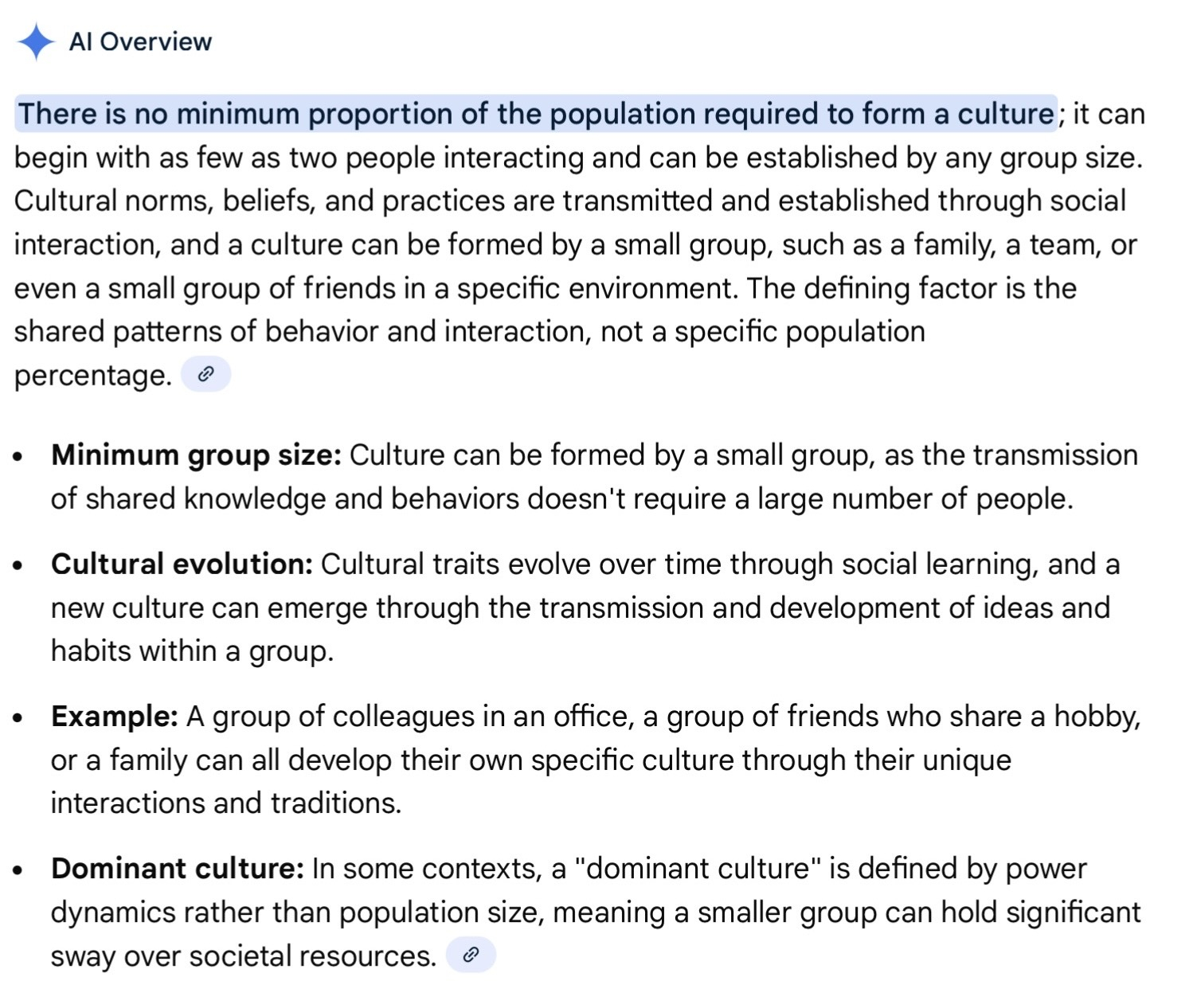
0 -
We do all have to start somewhere.
Why do some persons seem to get upset when its pointed out to newbies that holding single shares is very risky?
0 -
You're referring to me? I'm not upset, other people are. When people on other threads have asked about investing in individual companies I've pointed out that it's relatively high risk, they probably shouldn't and it's usually better to invest in an index or otherwise diversified fund. In fact the last time was this morning re Alphabet - I was worried that someone was FOMOing after a recent huge move higher. I won't say that someone should never, ever invest in individual companies though.Eyeful said:We do all have to start somewhere.
Why do some persons seem to get upset when its pointed out to newbies that holding single shares is very risky?The OP's question is about where to find information and that's what I tried to help him with. If he looks he'll discover that most of IC's 'tips' are "hold" and "sell." There's a lot of, 'it's fully valued.' 1
1 -
wmb194 said:The OP's question is about where to find information and that's what I tried to help him with. If he looks he'll discover that most of IC's 'tips' are "hold" and "sell." There's a lot of, 'it's fully valued.'I am getting better at using the Investors Chronicle website, I have now found the page where shares are listed as 'strong buy'.It's like a licence to print money
 Arecor Therapeutics PLC is a strong buy, I have not bought any, as it's way outside of my risk profile.
1 -
Where do I find this?Baldytyke88 said:wmb194 said:The OP's question is about where to find information and that's what I tried to help him with. If he looks he'll discover that most of IC's 'tips' are "hold" and "sell." There's a lot of, 'it's fully valued.'I am getting better at using the Investors Chronicle website, I have now found the page where shares are listed as 'strong buy'.It's like a licence to print moneyArecor Therapeutics PLC is a strong buy, I have not bought any, as it's way outside of my risk profile.0 -
0
-
I'm all for other people stock picking, it means that there's price discovery and hopefully this keeps the indexes increasing in value. If no-one bought anything and everyone owned the index, then the indexes would stagnate (until some clever people realised that some individual stocks were undervalued and started stock picking).
The system balances itself, however price discovery happens (well researched or pure guesswork), but personally I'll stick to the average return and sleep well at night.1 -
Index vs individual stock picking, both are good and no right or wrong, it just depends individual situations.
If you have time and inclination (don't underestimate what it takes!) to learn process as well as the research on the companies, and are fully aware of the risks, then no harm to give it a try, it may turn out to be not just financial rewarding, as well as a fun & interesting activity on its own.
I personally won't start to look for the 'best' website though, I'd suggest read up books on value investing, e.g. Warren as mentioned in previous post.0











Confirm your email address to Create Threads and Reply

Categories
- All Categories
- 355.8K Banking & Borrowing
- 254.9K Reduce Debt & Boost Income
- 456.2K Spending & Discounts
- 248.3K Work, Benefits & Business
- 606K Mortgages, Homes & Bills
- 179K Life & Family
- 263.8K Travel & Transport
- 1.5M Hobbies & Leisure
- 16.2K Discuss & Feedback
- 37.7K Read-Only Boards