We’d like to remind Forumites to please avoid political debate on the Forum.
This is to keep it a safe and useful space for MoneySaving discussions. Threads that are – or become – political in nature may be removed in line with the Forum’s rules. Thank you for your understanding.
📨 Have you signed up to the Forum's new Email Digest yet? Get a selection of trending threads sent straight to your inbox daily, weekly or monthly!
The Forum now has a brand new text editor, adding a bunch of handy features to use when creating posts. Read more in our how-to guide
Bedroom ceiling shagging

hepatel
Posts: 28 Forumite


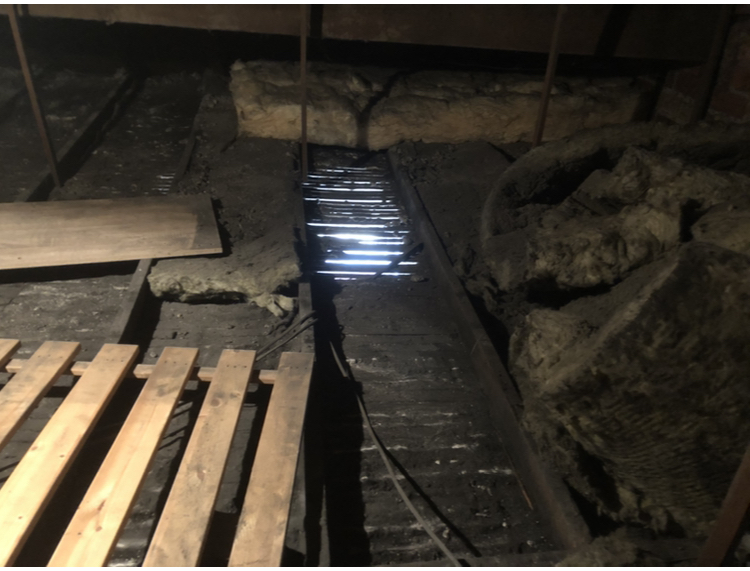
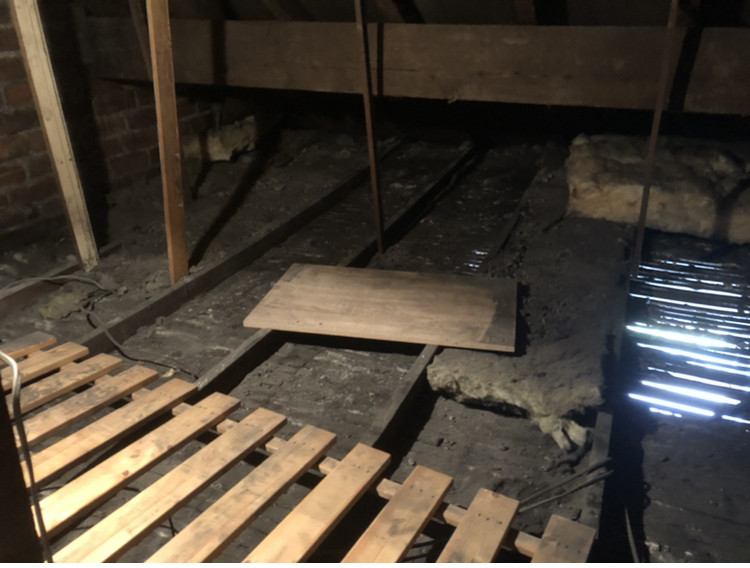
 Bedroom ceiling shagging and some plaster has broken fallen off now strip of wooden slats showing.
 I decided to make a frame and fix plaster boards but I’ve noticed the internal wall where the door opens to get to the room is not a solid wall so I can’t put a frame.
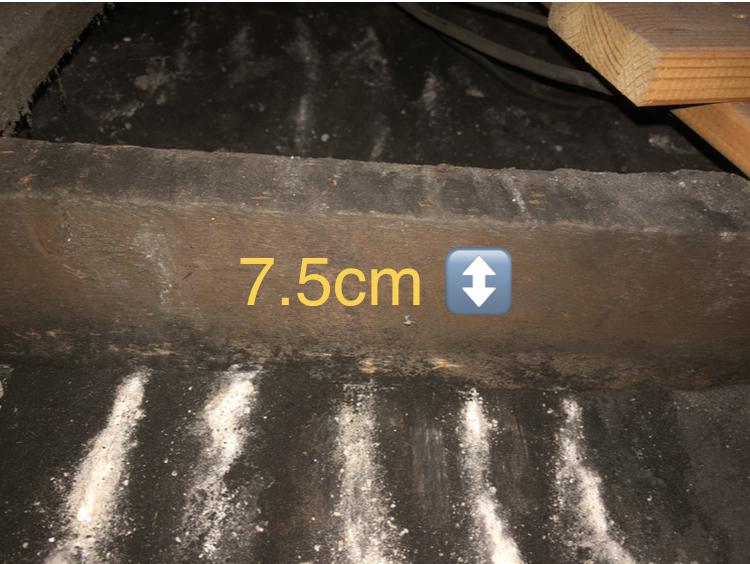
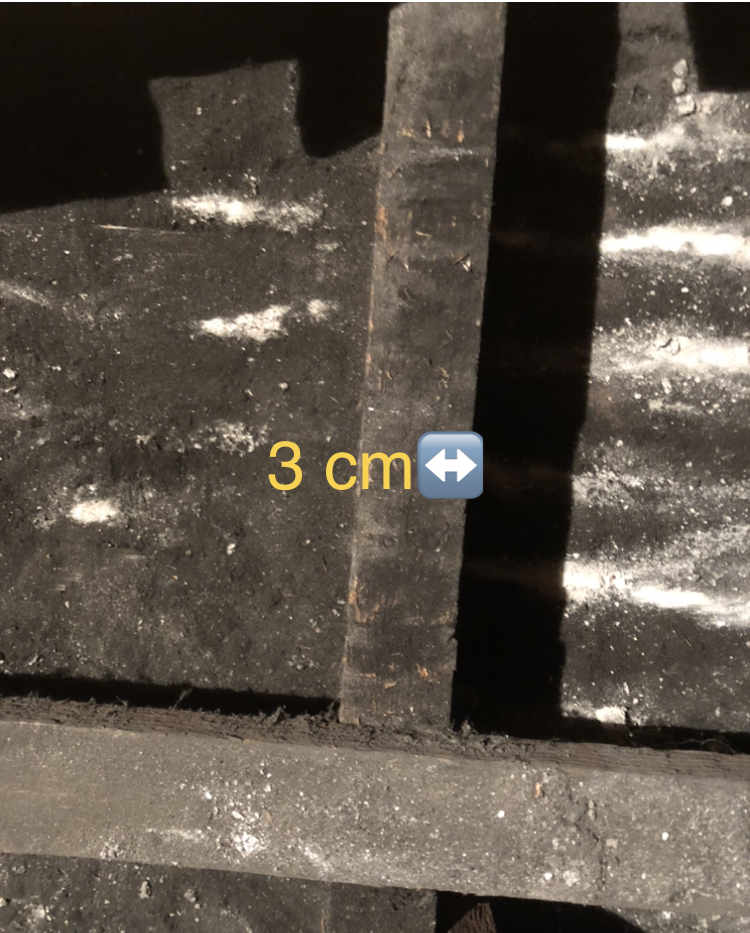
Just like an advice is it better to take the old plaster celling and replace it with plaster boards. Also will I have to fix new joist timber with the existing joist timber to make it thicket as the span is too long. Existing timber 3 cm thick 7.5 cm in hight 440 cm is the length
0
Comments
-
Trying to think of something witty to say, but just laughing, sorry.Everything that is supposed to be in heaven is already here on earth.
21 -
@doozergirl there was i thinking you had experience of "everything" when it comes to propertyDoozergirl said:Trying to think of something witty to say, but just laughing, sorry.3 -
Do you perhaps mean "sagging" rather than engaging in "relations" with the rafters / joists...2
-
I guess this is a house about 90+ Years old. Depends how traditional you want to be.
Remove the plaster, replace broken lats and replaster.
Or, remove and replace with plasterboard.
Your proposal of fitting a frame and then plasterboard that is fine so long as you screw the frame into the joists above. The Wall won't matter as the weight will be attached to the joists.0 -
Yes is over 90 years old. The Sagging is caused by the length span is to long and if i screw joists onto the existing joists this will make more weight added onto the existing joists and make the celling to come down. Usually there are timber attached to the joists horizonal if the span is long to avoid sagging but in this case these was missing and therefore this was the caused of sagging.
0 -
Did not think that was allowed when the game was on,but now it is finished posters might be able to give to give helpful advice.Play with the expectation of winning not the fear of failure. S.Clarke0
-
You need to fix some binders over the joists, and then attach hangers from the rafters next to the purlins down to the binders. This will help support the ceiling joists.1
-
Removing the old lime plaster and laths is a very, very messy job. But two advantages in doing so - It removes a lot of weight from the joists, and gives you opportunity to insulate between the joists right up to the walls. After putting up plasterboard and skimming, you get a nice flat ceiling without any cracks.Oh, did I mention that taking down a lath & plaster ceiling is a filthy job.Any language construct that forces such insanity in this case should be abandoned without regrets. –
Erik Aronesty, 2014
Treasure the moments that you have. Savour them for as long as you can for they will never come back again.1 -
Hi Hepatel.
How much 'sag' is there over the span? And are you 'happy' to keep this sag when you replace the ceiling with plasterboard so it still looks 'old', or do you want it leveled like on a new house?
Since plaster is falling off, it's clear it has to come down. As FreeBear says, this is the most yucky of jobs - filthy plaster and dust, which will need containing by sheeting the floor, and possibly even sealing around the door if there are air gaps. Then protect yourself - boiler suit, hat, goggles and mask.
Remove all the lath strips.
Then reboard using plasterboard, either keeping the sag, or by using a method of levelling it. Tbh, I don't know the best/right way to do this, but I have an idea of the sort of bodge I'd personally do...
This would either be by 'sistering' additional joists alongside the existing ones, with their underside edges level - yes, that would add to the weight of the existing joists, but they won't sag further as they will actually be strengthened by this, and the existing joist ends will hold it all no problem. As to size to use, I don't know, but it may be that something like 1" ply strips, around 150mm wide, could be the best compromise between max strength vs lack of weight? Where boards join would need to be wider t take the screws. Or, as Stuart says, you choose a suitable point in the middle of the span, and screw a binder timber along all the joist. Then this binder will be 'tied' to the roof rafters using hangers perhaps every couple of rafters - if you look at your second pic, you will see such hangers already in place, but clearly ineffective!
I'd try and prop up the ceiling centre first - take some bow out of it - before fitting these ties, and removing these existing ones.
The above is a layman's solution - others will tell you the correct way 0
0 -
Doozergirl said:Trying to think of something witty to say, but just laughing, sorry.
How about "Don't do it, you will fall through the lath and plaster."
2









Confirm your email address to Create Threads and Reply

Categories
- All Categories
- 353.5K Banking & Borrowing
- 254.1K Reduce Debt & Boost Income
- 455K Spending & Discounts
- 246.6K Work, Benefits & Business
- 602.9K Mortgages, Homes & Bills
- 178K Life & Family
- 260.5K Travel & Transport
- 1.5M Hobbies & Leisure
- 16K Discuss & Feedback
- 37.7K Read-Only Boards