We’d like to remind Forumites to please avoid political debate on the Forum.
This is to keep it a safe and useful space for MoneySaving discussions. Threads that are – or become – political in nature may be removed in line with the Forum’s rules. Thank you for your understanding.
📨 Have you signed up to the Forum's new Email Digest yet? Get a selection of trending threads sent straight to your inbox daily, weekly or monthly!
The Forum now has a brand new text editor, adding a bunch of handy features to use when creating posts. Read more in our how-to guide
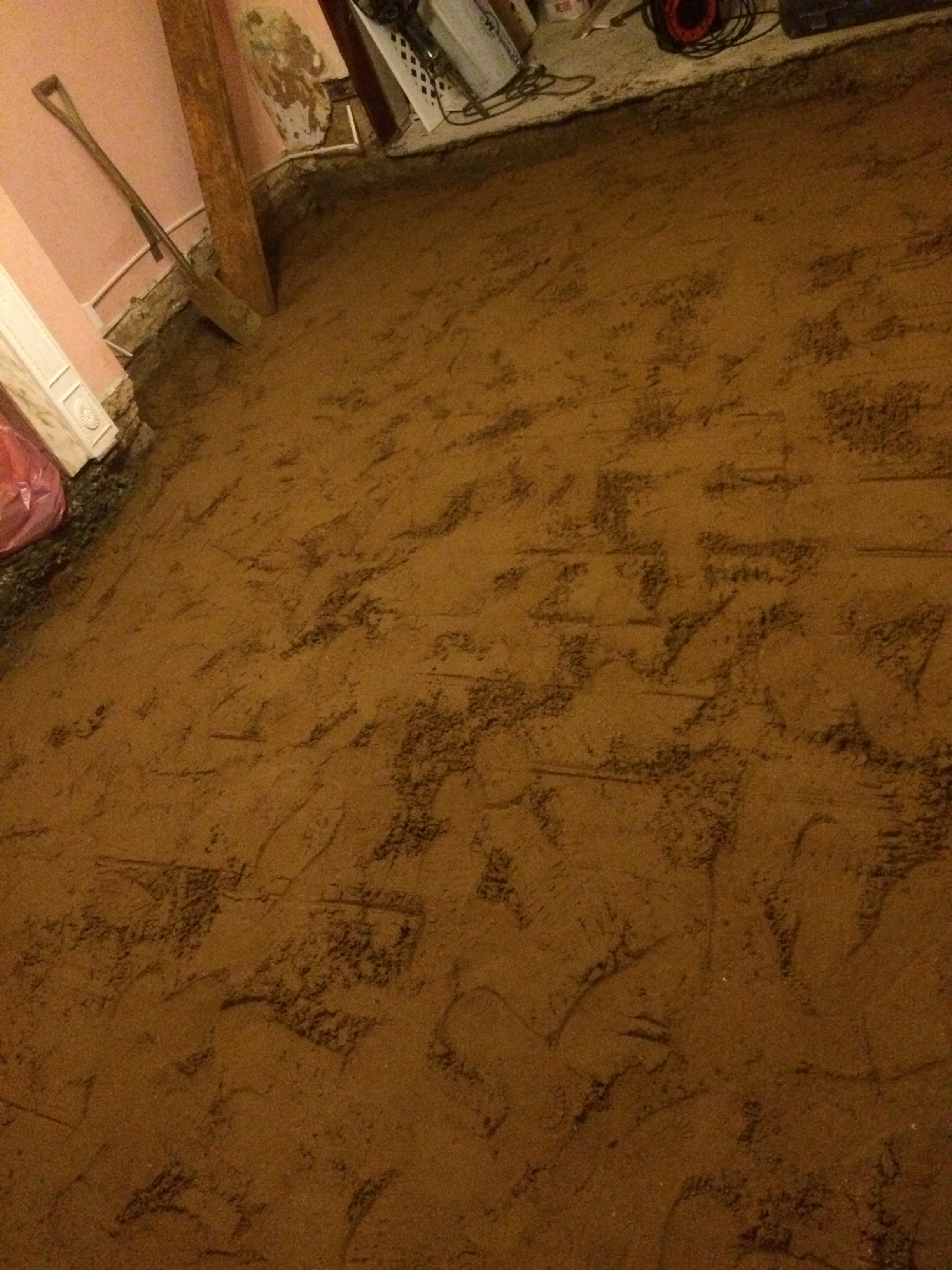
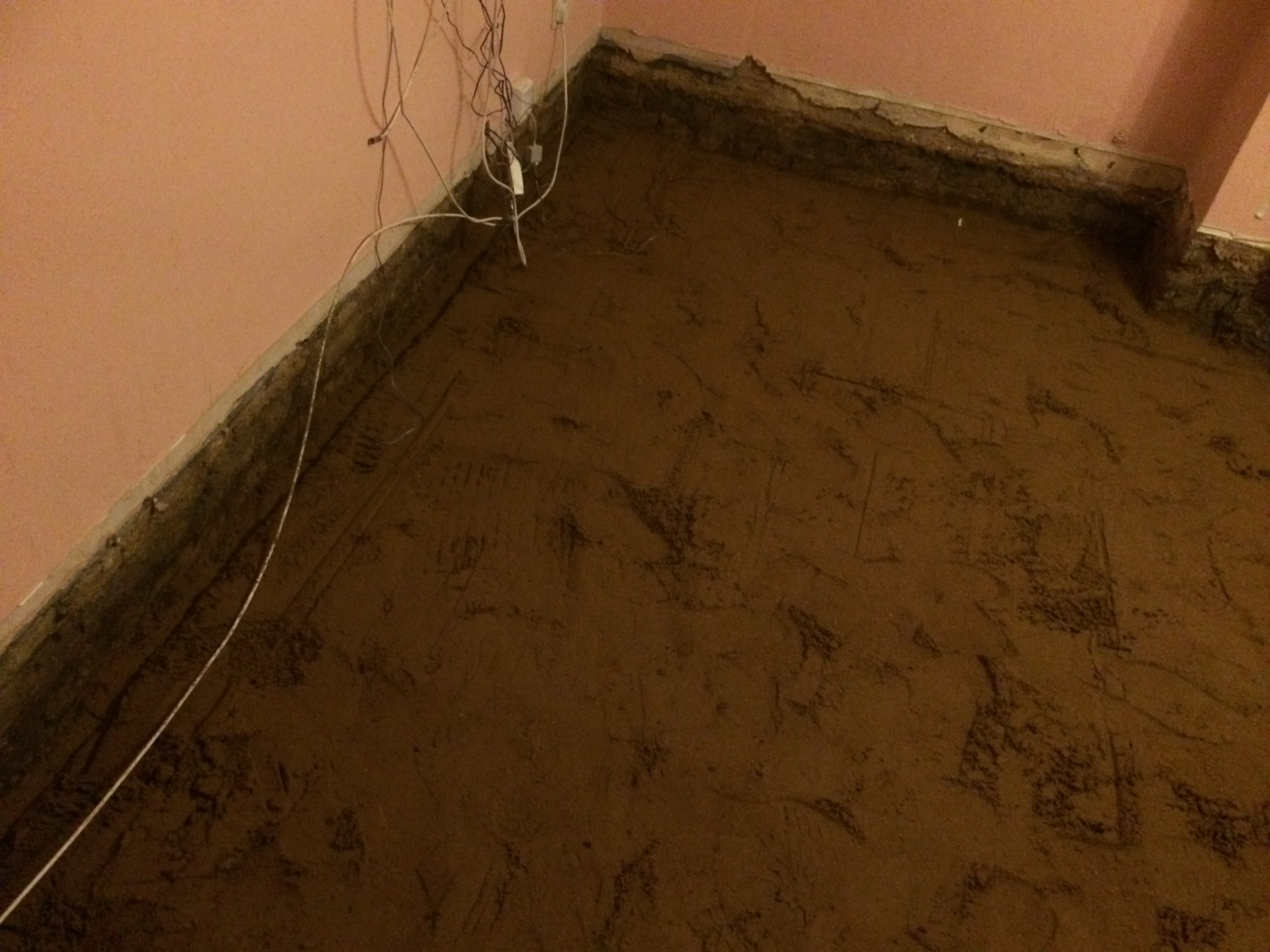
Front living room floorboards removed
Comments
-
You need some on the opposite wall so you get a crossflow.hepatel said:
Hi there are 2 airbrick. The timber seems good only the ends looks rotten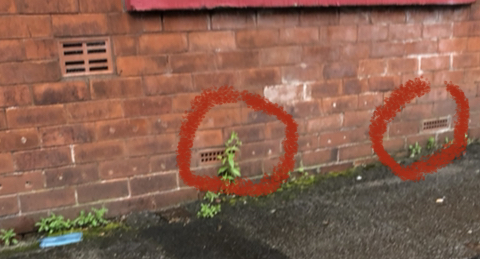 stuart45 said:Can you put some extra air bricks in? Ideally they should be on opposite walls to give a good flow. Older houses often didn't have enough.
You might be able to get a concrete oversite in, as you need a minimum of 150mm from top of concrete to bottom of joists.
Worth checking the moisture content of the timbers.0 -
hepatel said:
Oh dear... You've had the damp wallies injecting their magic chemical DPC in to the wall, and it looks like they had two goes at it (as evidenced by the row of holes in the bricks.).Air bricks should be installed every 2.4m or so along the walls front & back, although it wouldn't hurt to reduce that spacing. getting a decent cross air flow will help to reduce the effects of damp under to floor.As for where the water is coming from - I can see the tarmac is sloping down the side of the wall, but does it also slope away ?
Any language construct that forces such insanity in this case should be abandoned without regrets. –
Erik Aronesty, 2014
Treasure the moments that you have. Savour them for as long as you can for they will never come back again.0 -
hepatel said:
This inside space from the ground is appox 17 inches to the wooden floor. The external floor is appox 7 inch. The inside void is 17 inches and the ground is below the external floor.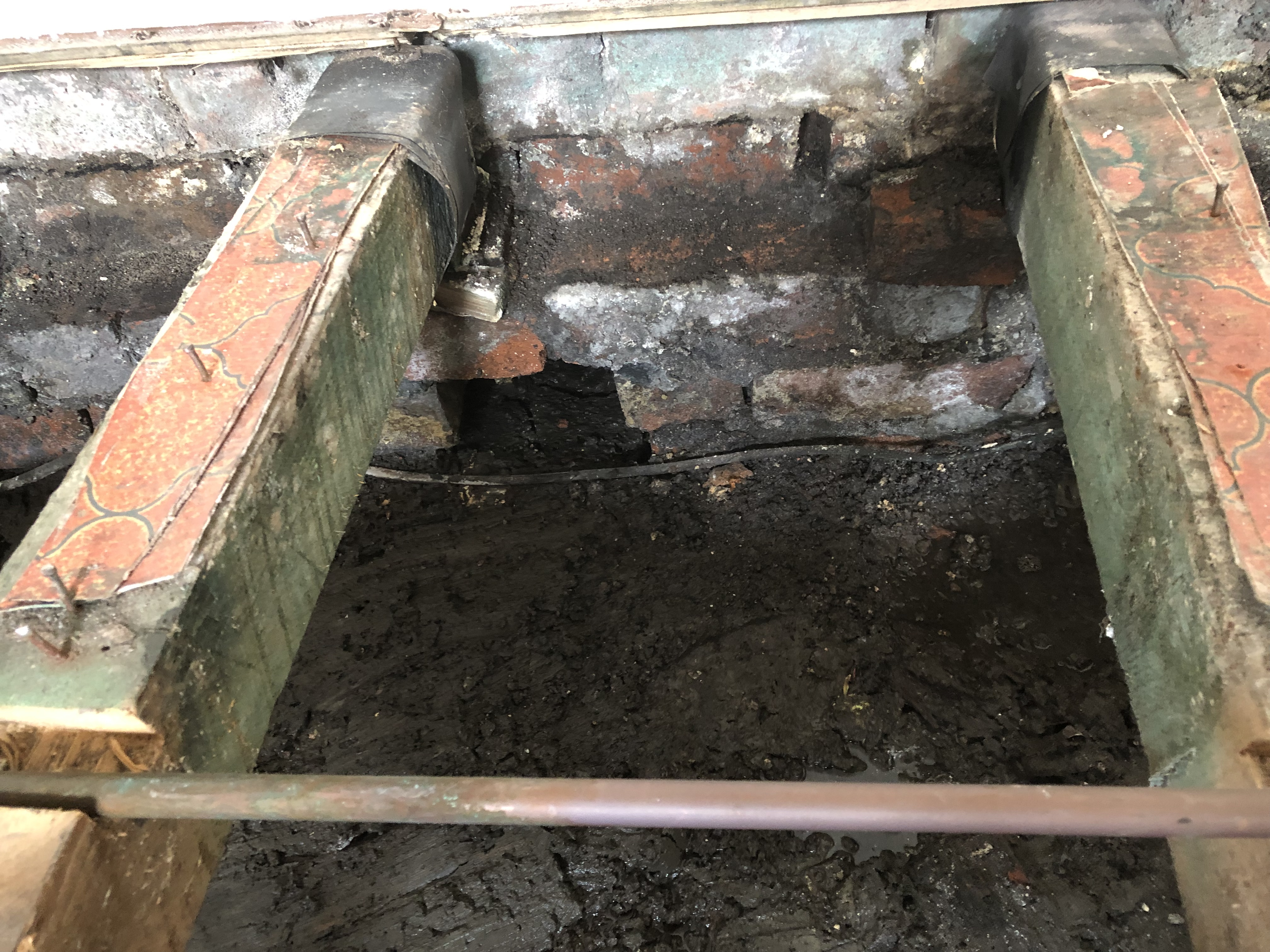
 ThisIsWeird said:hepatel said:
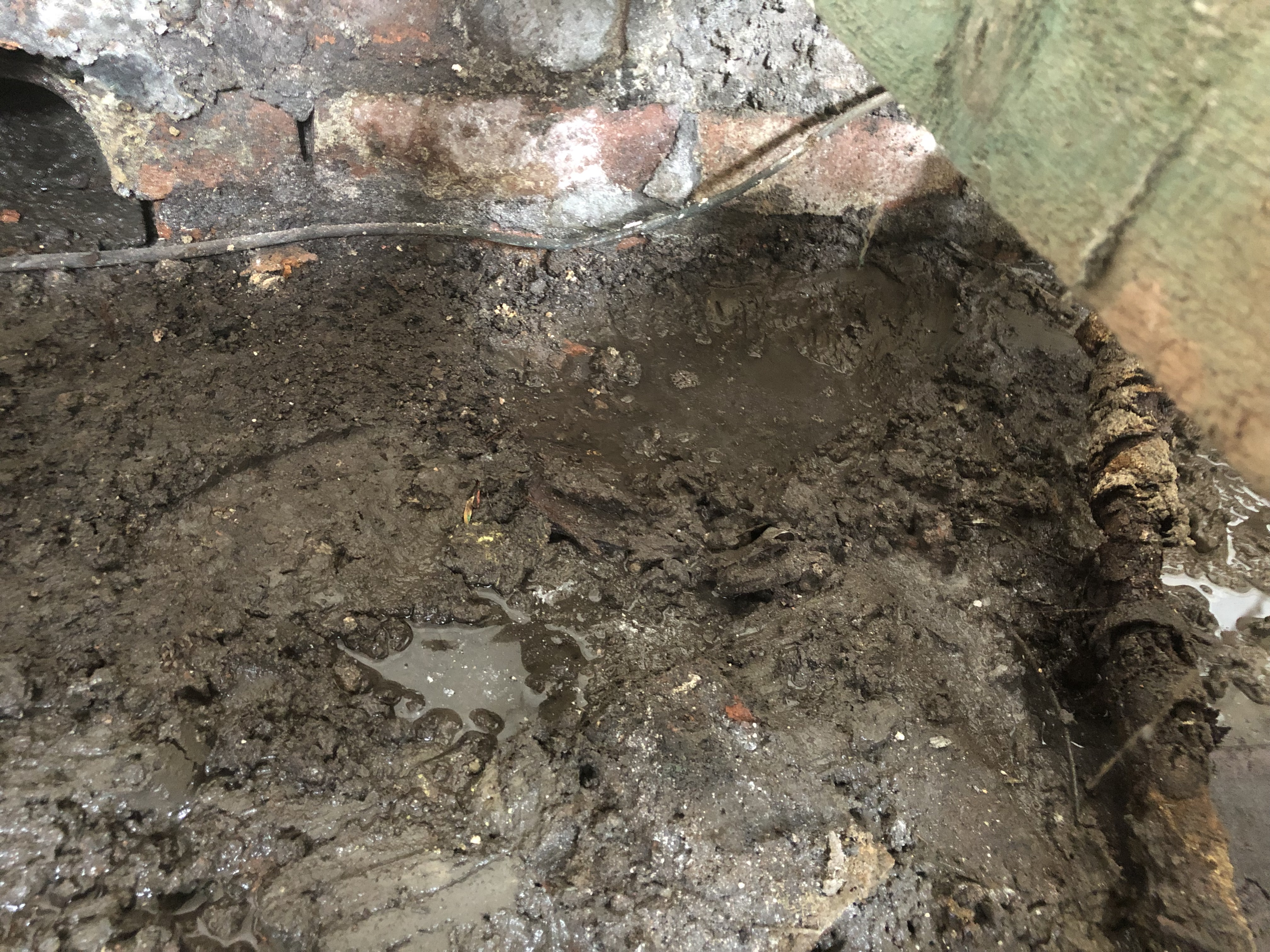
The property is around 100 years old. Has no cavity. Joist is approx 10 inch away from the clay base. I can see 1 air brick. I’ve checked by digging about 2 or 3 inch but no water is coming up so I think when it’s rains the the water is coming up to the surface clay and a small puddle is formed.stuart45 said:You need.to find out the cause of the problem. It could be a high water table, a leaking drain or water main, or surface water coming in through air bricks.
A bit more info about the property would be useful.
How old is it? Are the walls solid or cavity? How deep is the clay base from the joists? Is the outside ground level much higher than the clay base?
Have you got enough air bricks in opposite walls to give a good crossflow?And how does the outside ground level compare?10" isn't a lot. It should be 'ok', but I'd be (rightly or wrongly) uncomfortable about my joists sitting that close to water. Good through-ventilation is a must, and the insulation you intend to add under the floor needs to not restrict this or prevent the timbers from being aired. But, I don't know the details of what needs doing there.Q - what do your sill plates and joists, especially at their ends - look like? Any staining? Any mould? (By sill plate I mean the flat timber that sits on the DPC, so would be the first point of contact with any 'rising'.Do you have paths going around your house? What height are they at? Any (French) drains between it and the house walls?Confirm - inside the house, it's 17" from the floorboards to the soggy ground? So around 1 foot from the bottoms of these joists to the ground? And on the outside, the ground level is only around 7" to the floorboard level? Not sure I've got that right?You've shown an outside photo with the two air bricks - where are these bricks on the inside?I'm at my limit of knowledge here, I'm afraid, so I suspect you need a builder in for an opinion. All I see are very damp-looking walls, and the joist ends wrapped in DPM to protect them. If there's an actual DPC layer, I don't know where it is.If the outside ground level is really that much higher than the internal, I guess it's no great surprise that the ground water table is higher inside.0 -
I had similar. The builders dug down hoping to find concrete eventually but that didn't happen. Sand went down, then a membrane, then concrete. Cost thousands extra but needed to be done.hepatel said:
The property is around 100 years old. Has no cavity. Joist is approx 10 inch away from the clay base. I can see 1 air brick. I’ve checked by digging about 2 or 3 inch but no water is coming up so I think when it’s rains the the water is coming up to the surface clay and a small puddle is formed.stuart45 said:You need.to find out the cause of the problem. It could be a high water table, a leaking drain or water main, or surface water coming in through air bricks.
A bit more info about the property would be useful.
How old is it? Are the walls solid or cavity? How deep is the clay base from the joists? Is the outside ground level much higher than the clay base?
Have you got enough air bricks in opposite walls to give a good crossflow?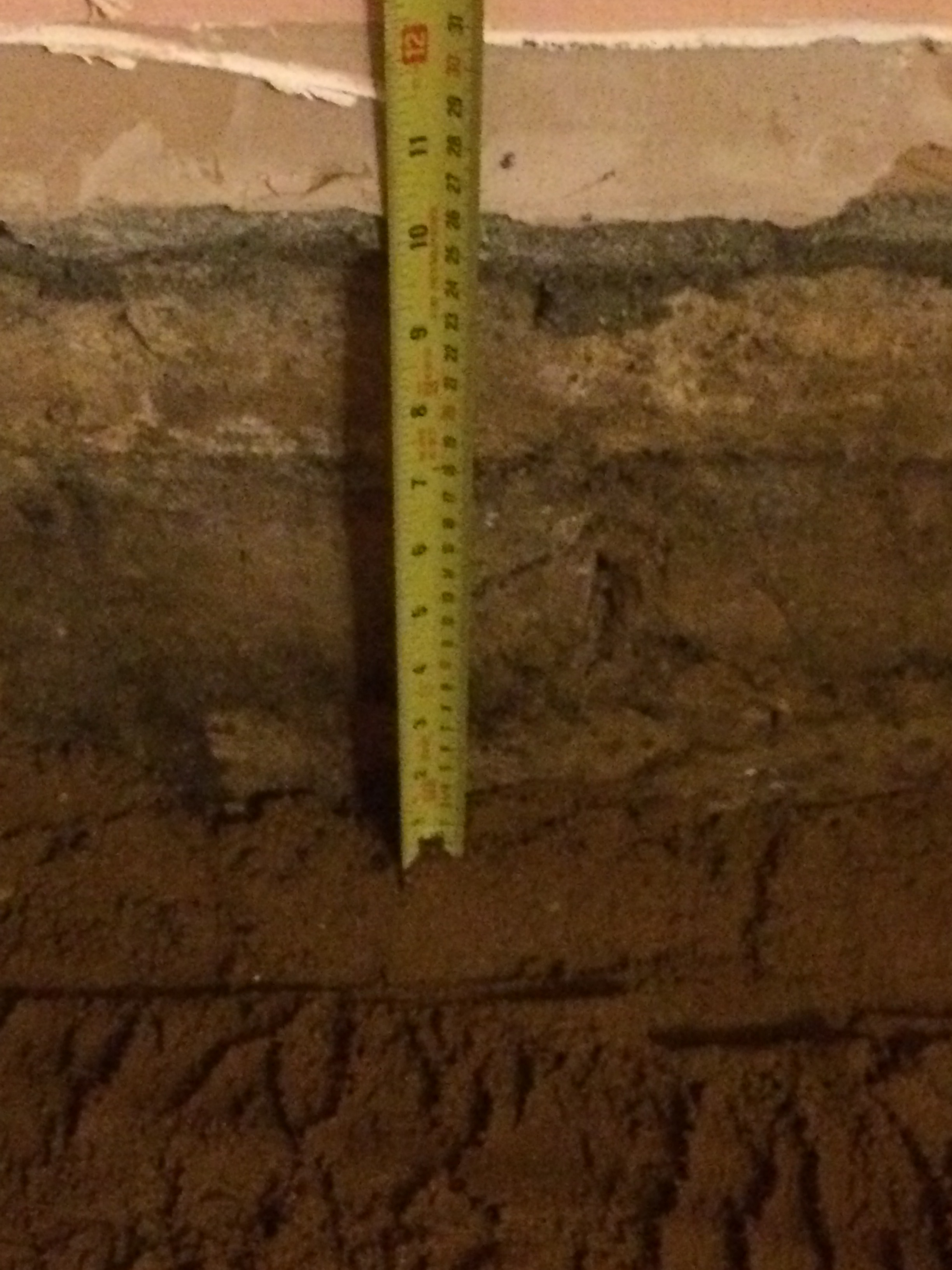
 My neighbour on the other side of the party wall has had to have the same done, as has a neighbour 2 doors down on the other side. Yet these are solid houses and nothing like the comparatively flimsy cornflake box construction of modern homes (which again, are as safe as houses).No man is worth crawling on this earth.
So much to read, so little time.0 -
Other pluses - no draughts (a biggie), no springiness, no risk of future rot, and it would have insulation added to make it a perfect floor.Hepatel - how DIYable are you?! This is physical work, but not at all complicated.(Er, you did add insulation, didn't you Rosa...?)0









Confirm your email address to Create Threads and Reply

Categories
- All Categories
- 354.2K Banking & Borrowing
- 254.4K Reduce Debt & Boost Income
- 455.3K Spending & Discounts
- 247.2K Work, Benefits & Business
- 603.9K Mortgages, Homes & Bills
- 178.4K Life & Family
- 261.4K Travel & Transport
- 1.5M Hobbies & Leisure
- 16.1K Discuss & Feedback
- 37.7K Read-Only Boards