We’d like to remind Forumites to please avoid political debate on the Forum.
This is to keep it a safe and useful space for MoneySaving discussions. Threads that are – or become – political in nature may be removed in line with the Forum’s rules. Thank you for your understanding.
📨 Have you signed up to the Forum's new Email Digest yet? Get a selection of trending threads sent straight to your inbox daily, weekly or monthly!
The Forum now has a brand new text editor, adding a bunch of handy features to use when creating posts. Read more in our how-to guide
Front living room floorboards removed

hepatel
Posts: 28 Forumite


Decided to remove front living room floorboards to put insulation. And noticed few area of the floor has wet puddles on the clay floor. Is there any solution to not getting wet puddles. Also notice side wall is cold.
0
Comments
-
The cure for the puddles might be as simple as increasing the ventilation under the floor, but a better solution will be to remove some clay around the walls and pile it up in the center of the room/house, then use it to create a fall across the clay towards the walls, then fit some weep vents into the walls to allow this water to flow out.
The side wall will be cold, and the insulation under the floor is probably going to cause it to get colder still. What insulation do you have in/on the walls, and do you plan to add any insulation in/on the walls?The comments I post are my personal opinion. While I try to check everything is correct before posting, I can and do make mistakes, so always try to check official information sources before relying on my posts.0 -
There is no insulation under the floor boards. Also the Walls seem to be cold due to the clay floor damp rising from the ground. Some people say concreting the floor would a good option but I’m not sure if it’s a good ideatacpot12 said:The cure for the puddles might be as simple as increasing the ventilation under the floor, but a better solution will be to remove some clay around the walls and pile it up in the center of the room/house, then use it to create a fall across the clay towards the walls, then fit some weep vents into the walls to allow this water to flow out.
The side wall will be cold, and the insulation under the floor is probably going to cause it to get colder still. What insulation do you have in/on the walls, and do you plan to add any insulation in/on the walls?0 -
You need.to find out the cause of the problem. It could be a high water table, a leaking drain or water main, or surface water coming in through air bricks.
A bit more info about the property would be useful.
How old is it? Are the walls solid or cavity? How deep is the clay base from the joists? Is the outside ground level much higher than the clay base?
Have you got enough air bricks in opposite walls to give a good crossflow?0 -
Hi Hepatel.
There will be a cause, and the answers to Stu's Q's will help to arrive at it.
Although undesirable, I understand it isn't necessarily a problem, and if the cause is 'natural', such as a slightly high water table, then it's probably always been like this.
Your house's DPC should prevent any 'rising' from getting to the floor and above, just as it would if there were no puddles present. And a well-ventilated underfloor void should keep all the timbers dry.
At some point, no idea when, I understand it became standard practice to lay DPMs over the sub-floor ground, and sometimes concrete, but I do t think that was originally the case (but I don't know). In theory, provided the ground level under the house is a bit higher than the surrounding land, water shouldn't puddle there - I think that was the general aim. So could you take measurements from the inside floor level to the soil, and transfer these outside - to all 4 sides - and compare?
The wall 'feels' cold? That isn't really a surprise, and doesn't mean anything by itself. You seem to be doing a fair bit of work to the house, and underfloor insulation is a very good idea. What form will it take? Bear in mind the joists will need to breathe and be well ventilated.
Have you considered internal wall insulation too? That should sort you 'cold walls', and should be transformative.0 -
It was more common to use concrete for the oversite, but in recent years a DPM on a pea shingle base is sometimes used. Modern regs mean that a concrete oversite should be higher than the highest point of the external ground level, or laid to fall to a drainage system.ThisIsWeird said:Hi Hepatel.
At some point, no idea when, I understand it became standard practice to lay DPMs over the sub-floor ground, and sometimes concrete, but I do t think that was originally the case (but I don't know). In theory, provided the ground level under the house is a bit higher than the surrounding land, water shouldn't puddle there - I think that was the general aim. So could you take measurements from the inside floor level to the soil, and transfer these outside - to all 4 sides - and compare?
Older houses often have a deep solum with no oversite.
Having standing water under the floor will tend to create a damp atmosphere and encourage vegetation growth and timber rot. However it's quite common in old houses in areas with a high water table.1 -
The property is around 100 years old. Has no cavity. Joist is approx 10 inch away from the clay base. I can see 1 air brick. I’ve checked by digging about 2 or 3 inch but no water is coming up so I think when it’s rains the the water is coming up to the surface clay and a small puddle is formed.stuart45 said:You need.to find out the cause of the problem. It could be a high water table, a leaking drain or water main, or surface water coming in through air bricks.
A bit more info about the property would be useful.
How old is it? Are the walls solid or cavity? How deep is the clay base from the joists? Is the outside ground level much higher than the clay base?
Have you got enough air bricks in opposite walls to give a good crossflow?1 -
Can you put some extra air bricks in? Ideally they should be on opposite walls to give a good flow. Older houses often didn't have enough.
You might be able to get a concrete oversite in, as you need a minimum of 150mm from top of concrete to bottom of joists.
Worth checking the moisture content of the timbers.0 -
hepatel said:
The property is around 100 years old. Has no cavity. Joist is approx 10 inch away from the clay base. I can see 1 air brick. I’ve checked by digging about 2 or 3 inch but no water is coming up so I think when it’s rains the the water is coming up to the surface clay and a small puddle is formed.stuart45 said:You need.to find out the cause of the problem. It could be a high water table, a leaking drain or water main, or surface water coming in through air bricks.
A bit more info about the property would be useful.
How old is it? Are the walls solid or cavity? How deep is the clay base from the joists? Is the outside ground level much higher than the clay base?
Have you got enough air bricks in opposite walls to give a good crossflow?And how does the outside ground level compare?10" isn't a lot. It should be 'ok', but I'd be (rightly or wrongly) uncomfortable about my joists sitting that close to water. Good through-ventilation is a must, and the insulation you intend to add under the floor needs to not restrict this or prevent the timbers from being aired. But, I don't know the details of what needs doing there.Q - what do your sill plates and joists, especially at their ends - look like? Any staining? Any mould? (By sill plate I mean the flat timber that sits on the DPC, so would be the first point of contact with any 'rising'.Do you have paths going around your house? What height are they at? Any (French) drains between it and the house walls?0 -
Hi there are 2 airbrick. The timber seems good only the ends looks rotten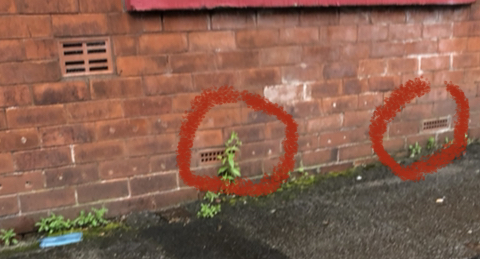 stuart45 said:Can you put some extra air bricks in? Ideally they should be on opposite walls to give a good flow. Older houses often didn't have enough.
You might be able to get a concrete oversite in, as you need a minimum of 150mm from top of concrete to bottom of joists.
Worth checking the moisture content of the timbers.0 -
This inside space from the ground is appox 17 inches to the wooden floor. The external floor is appox 7 inch. The inside void is 17 inches and the ground is below the external floor.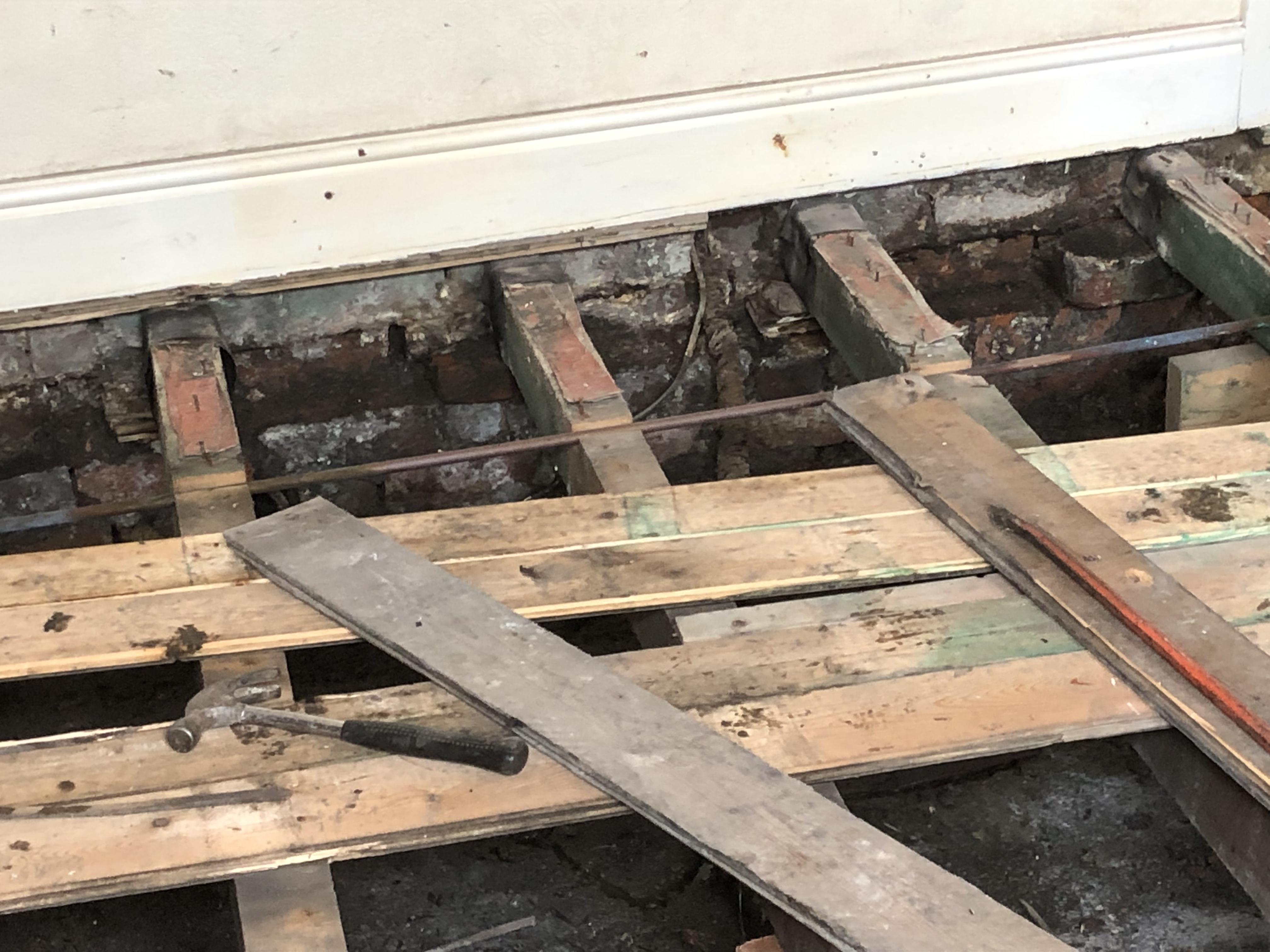
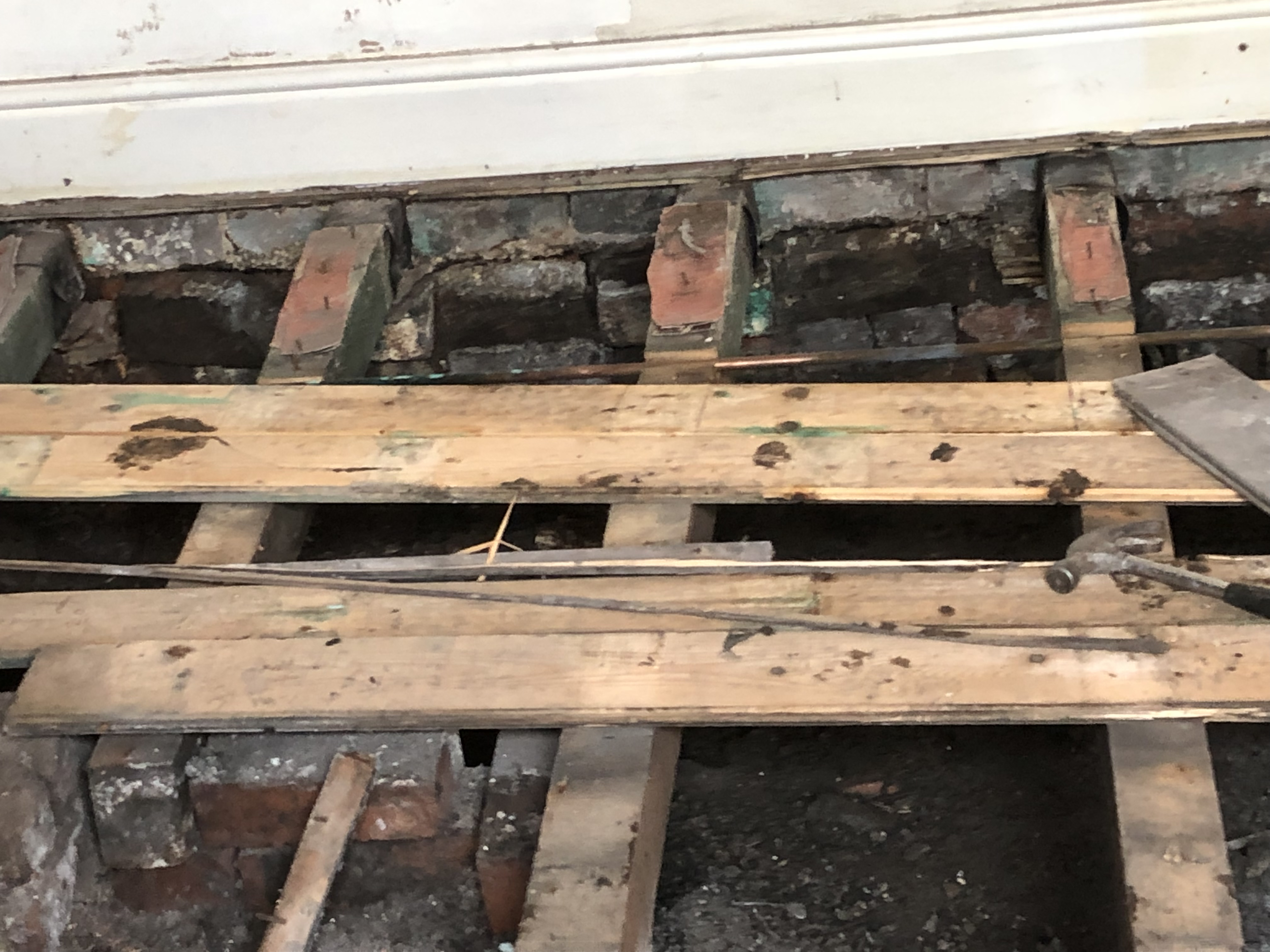


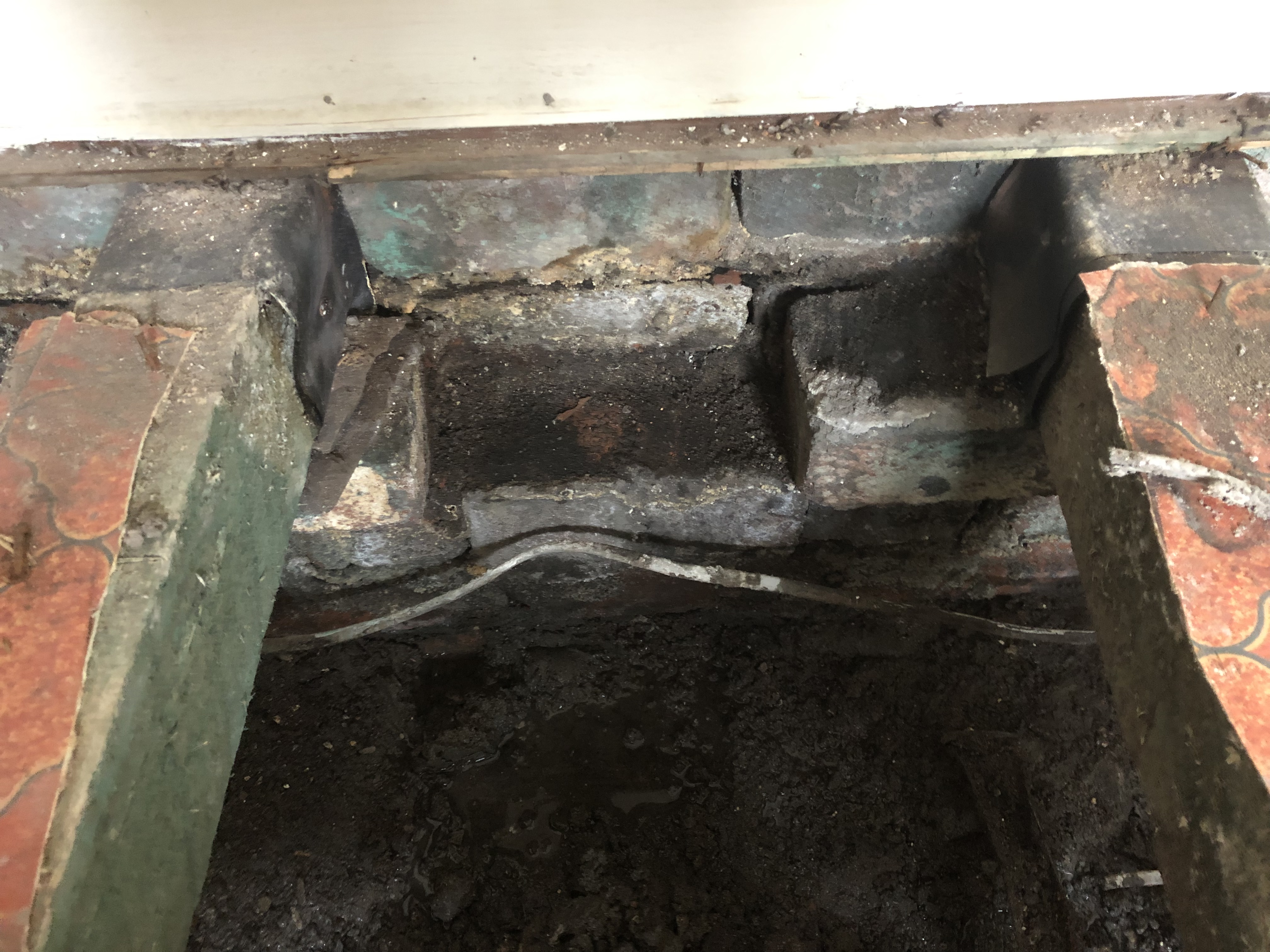
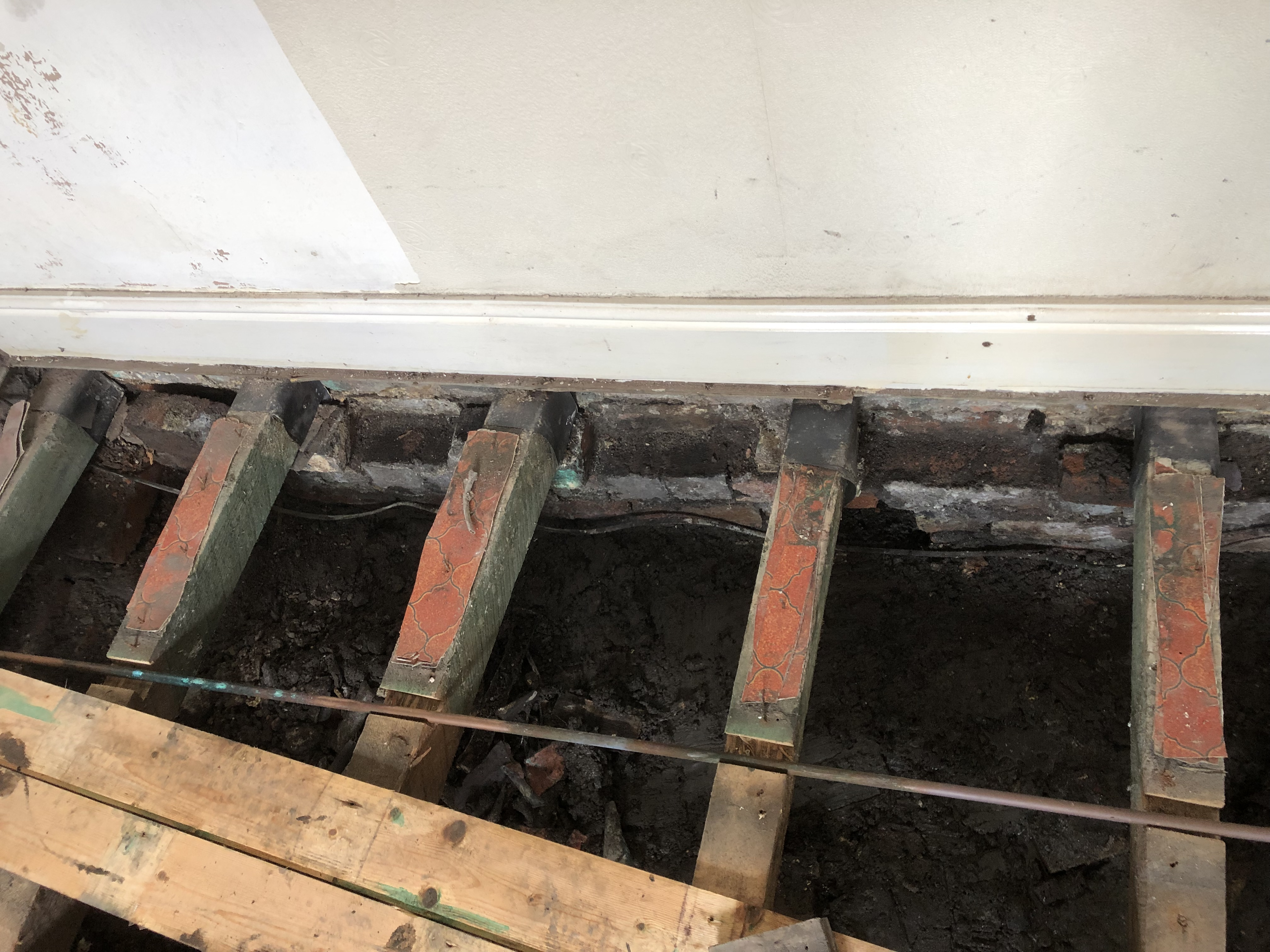
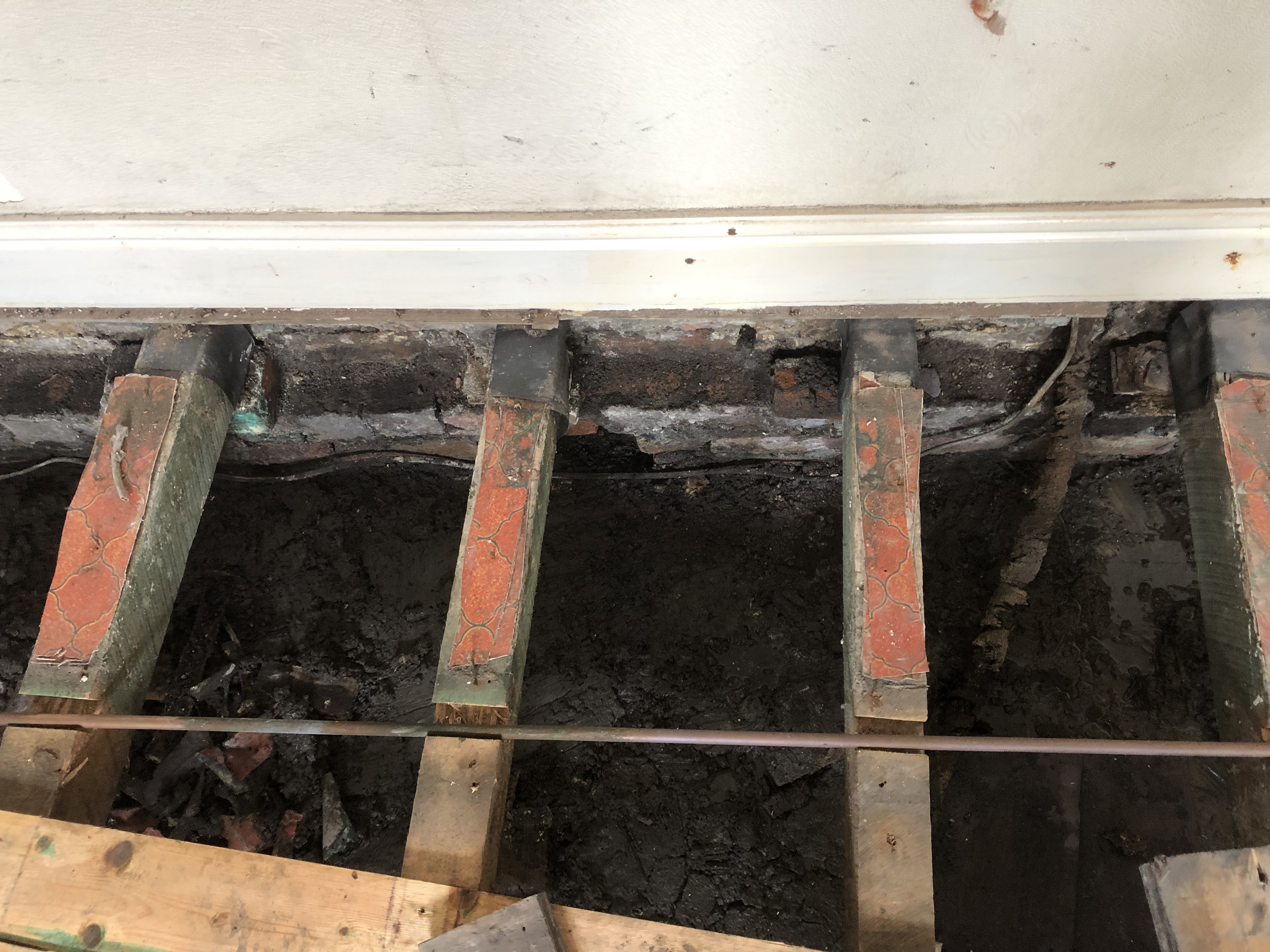
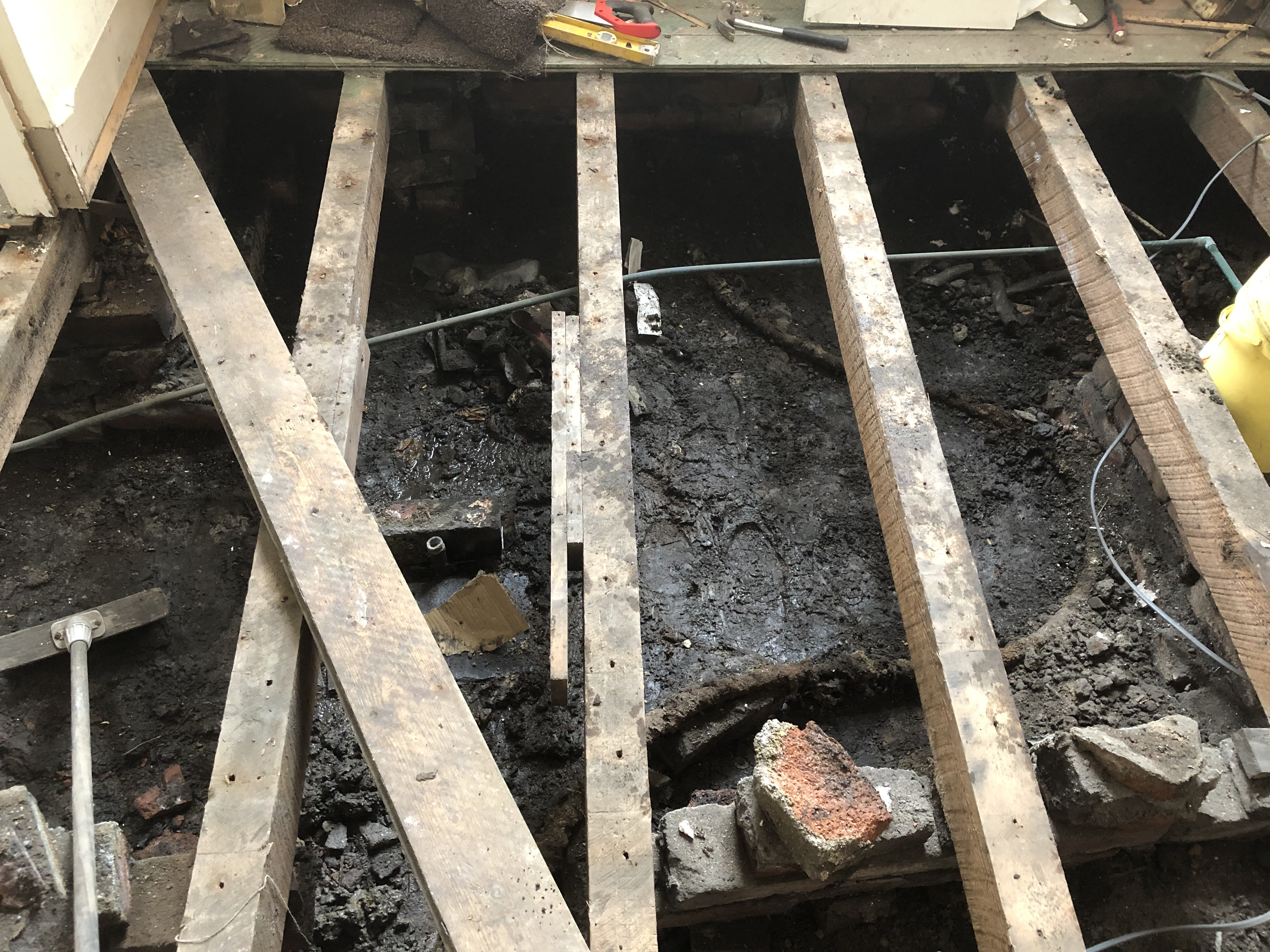
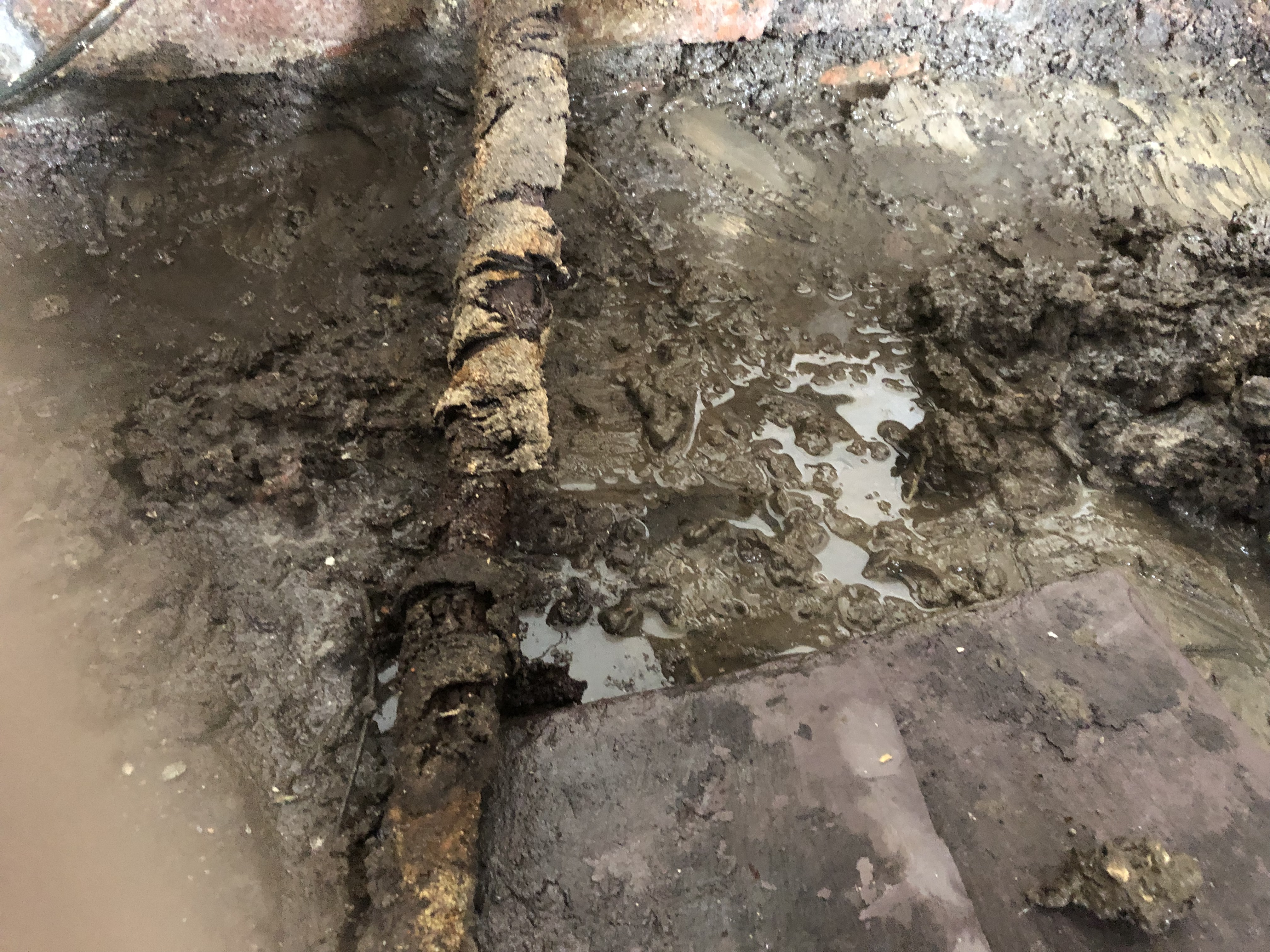
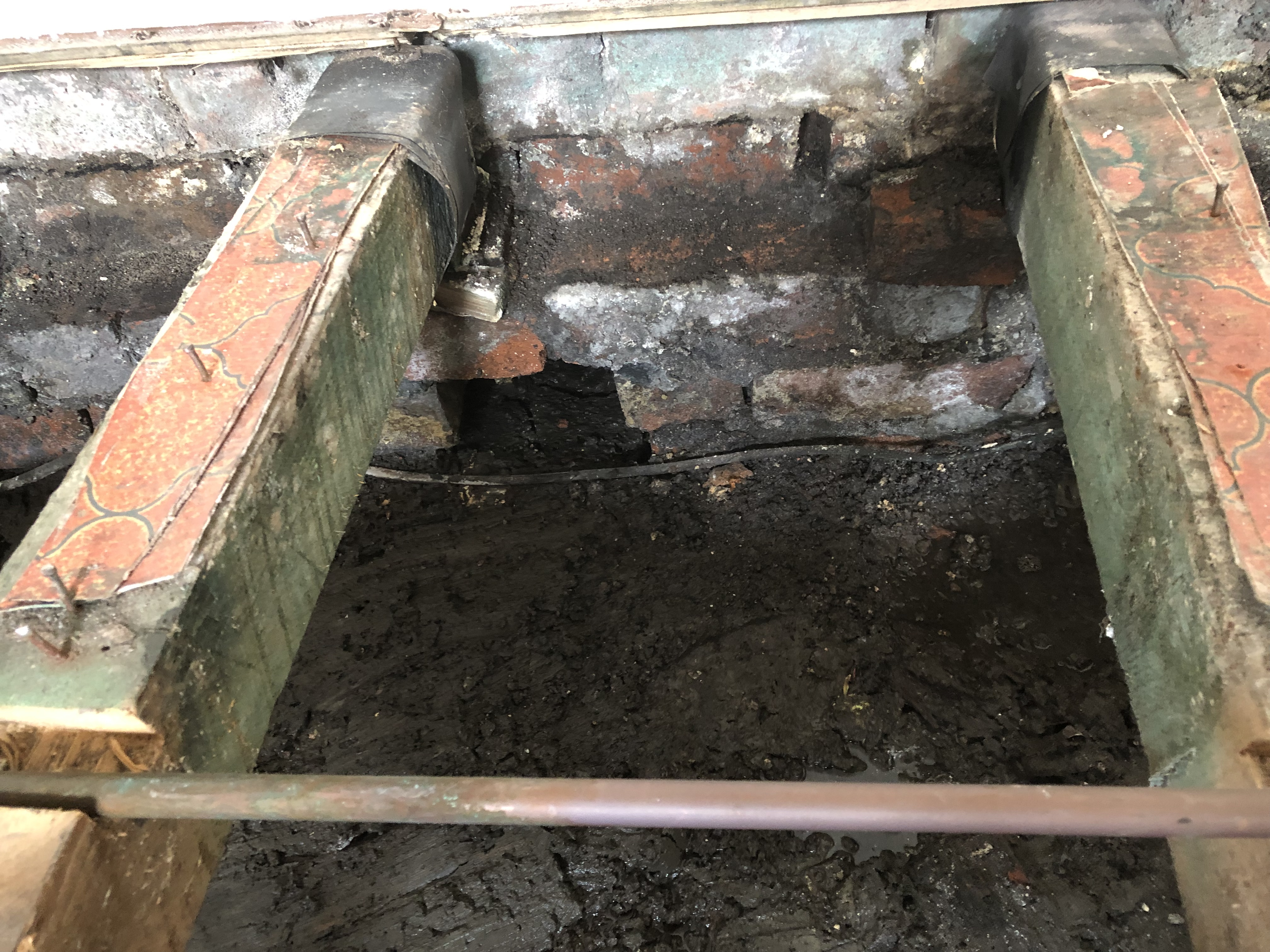
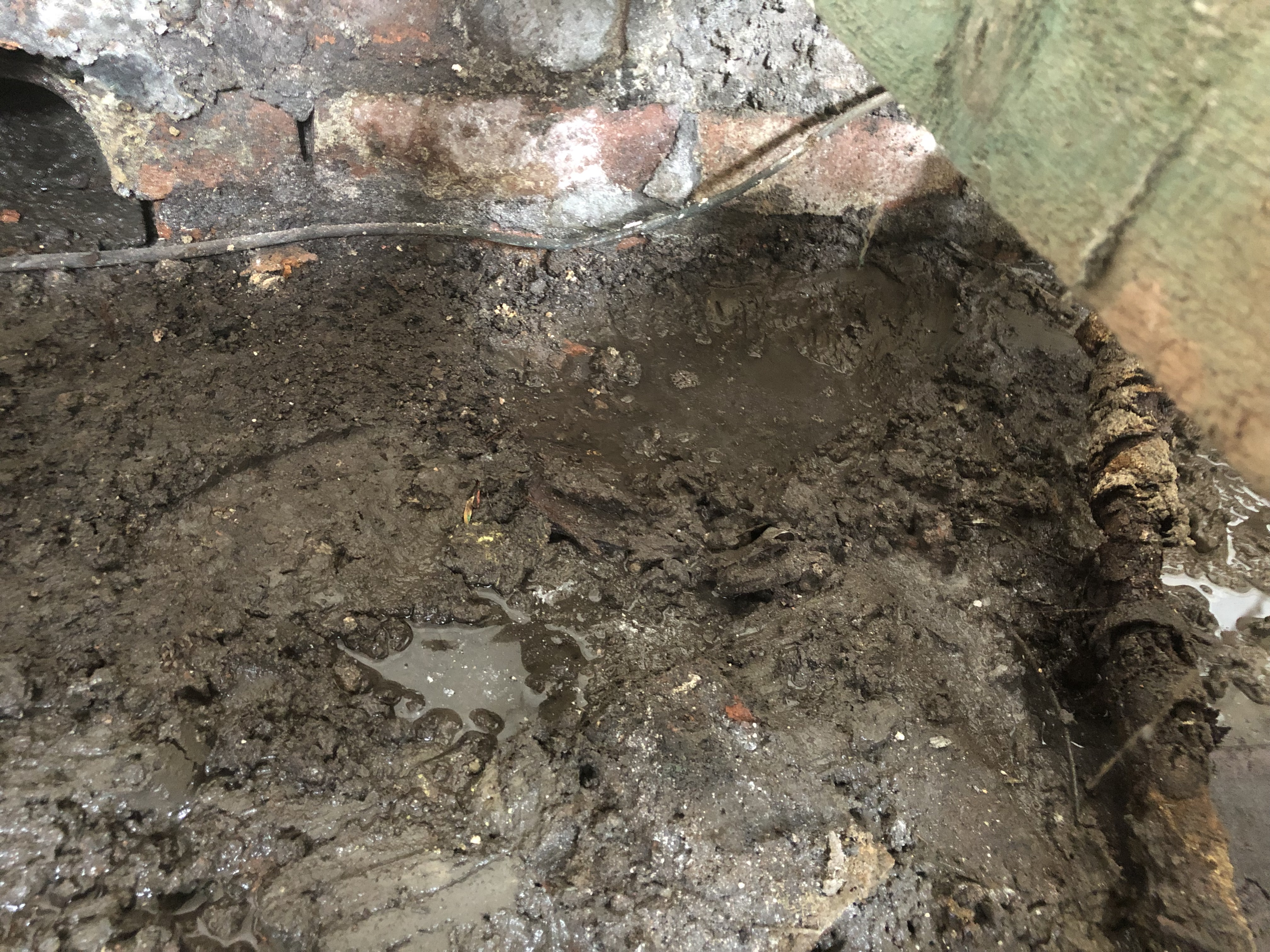
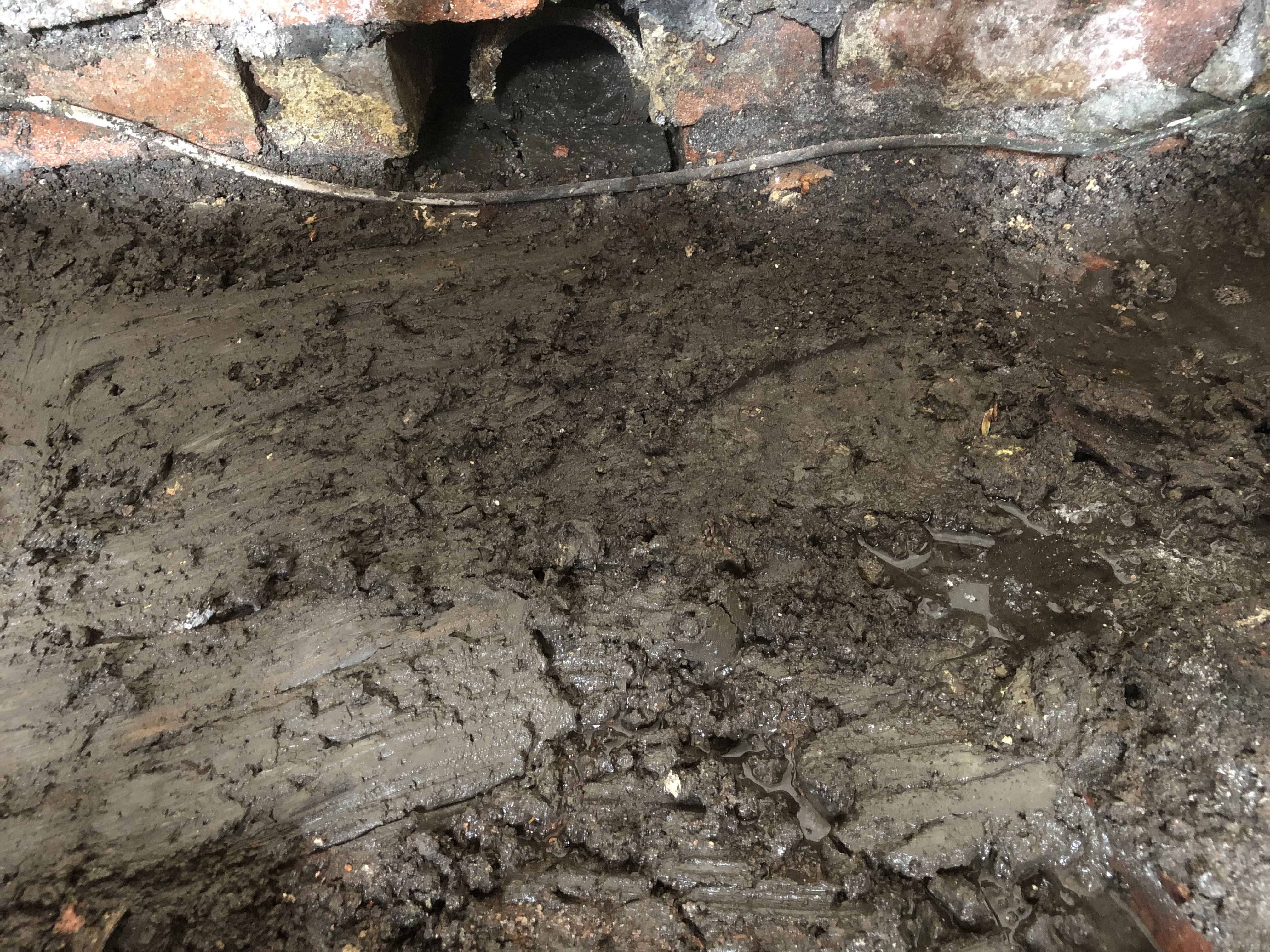 ThisIsWeird said:hepatel said:
The property is around 100 years old. Has no cavity. Joist is approx 10 inch away from the clay base. I can see 1 air brick. I’ve checked by digging about 2 or 3 inch but no water is coming up so I think when it’s rains the the water is coming up to the surface clay and a small puddle is formed.stuart45 said:You need.to find out the cause of the problem. It could be a high water table, a leaking drain or water main, or surface water coming in through air bricks.
A bit more info about the property would be useful.
How old is it? Are the walls solid or cavity? How deep is the clay base from the joists? Is the outside ground level much higher than the clay base?
Have you got enough air bricks in opposite walls to give a good crossflow?And how does the outside ground level compare?10" isn't a lot. It should be 'ok', but I'd be (rightly or wrongly) uncomfortable about my joists sitting that close to water. Good through-ventilation is a must, and the insulation you intend to add under the floor needs to not restrict this or prevent the timbers from being aired. But, I don't know the details of what needs doing there.Q - what do your sill plates and joists, especially at their ends - look like? Any staining? Any mould? (By sill plate I mean the flat timber that sits on the DPC, so would be the first point of contact with any 'rising'.Do you have paths going around your house? What height are they at? Any (French) drains between it and the house walls?1




Confirm your email address to Create Threads and Reply

Categories
- All Categories
- 354.1K Banking & Borrowing
- 254.3K Reduce Debt & Boost Income
- 455.3K Spending & Discounts
- 247.1K Work, Benefits & Business
- 603.7K Mortgages, Homes & Bills
- 178.3K Life & Family
- 261.2K Travel & Transport
- 1.5M Hobbies & Leisure
- 16.1K Discuss & Feedback
- 37.7K Read-Only Boards