We’d like to remind Forumites to please avoid political debate on the Forum.
This is to keep it a safe and useful space for MoneySaving discussions. Threads that are – or become – political in nature may be removed in line with the Forum’s rules. Thank you for your understanding.
📨 Have you signed up to the Forum's new Email Digest yet? Get a selection of trending threads sent straight to your inbox daily, weekly or monthly!
The Forum now has a brand new text editor, adding a bunch of handy features to use when creating posts. Read more in our how-to guide
Looks like that time of the year! (to empty septic tank...)
Comments
-
I have to say, that S62 knows his ****.1
-
Thanks for all your inputs..On further digging I can confirm ..
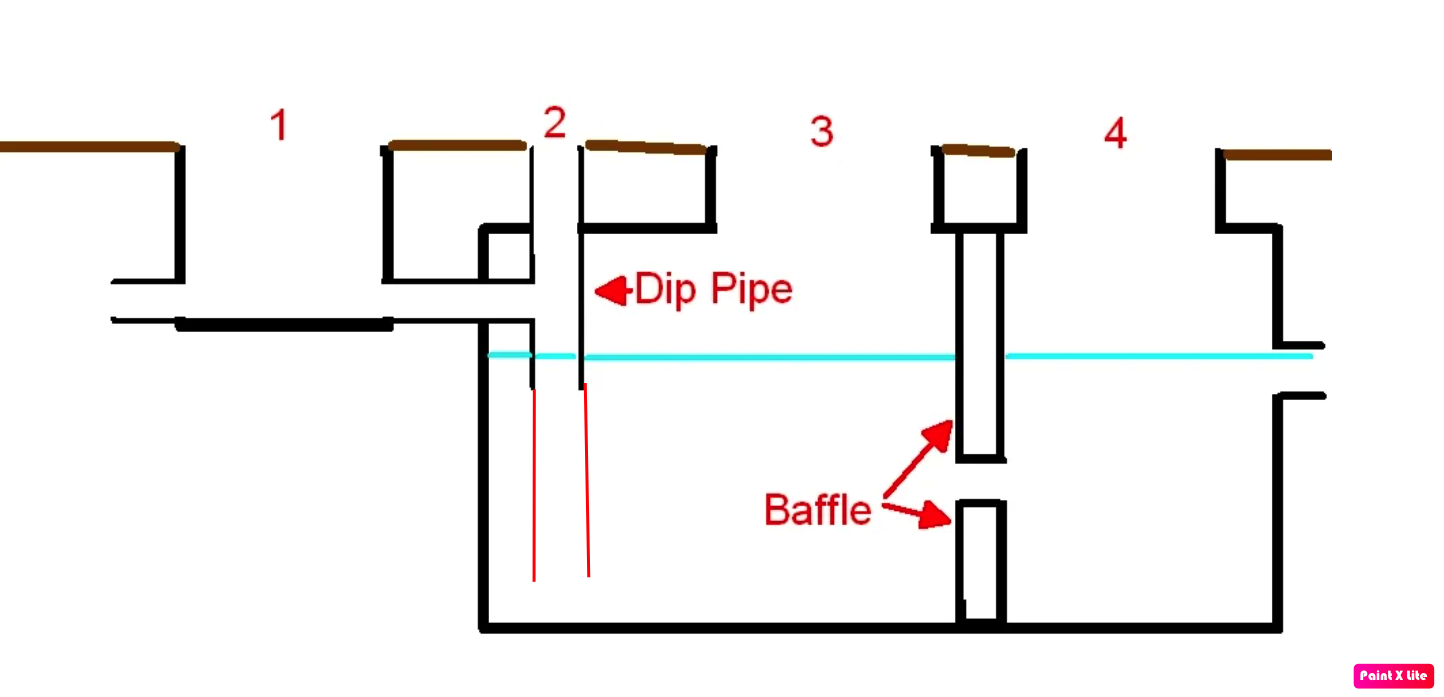
- Image Section62 drawn was fully accurate except may be round Pipe (2) going much lower
- Also I can confirm round Pipe (2) is inside solid waste chamber but have only liquid, I initially thought that is a separate chamber
- More importantly I was very wrong on the size of chamber, because concrete slab which covers parts other than the metal lid was so thick I thought thats the size of tank.!!
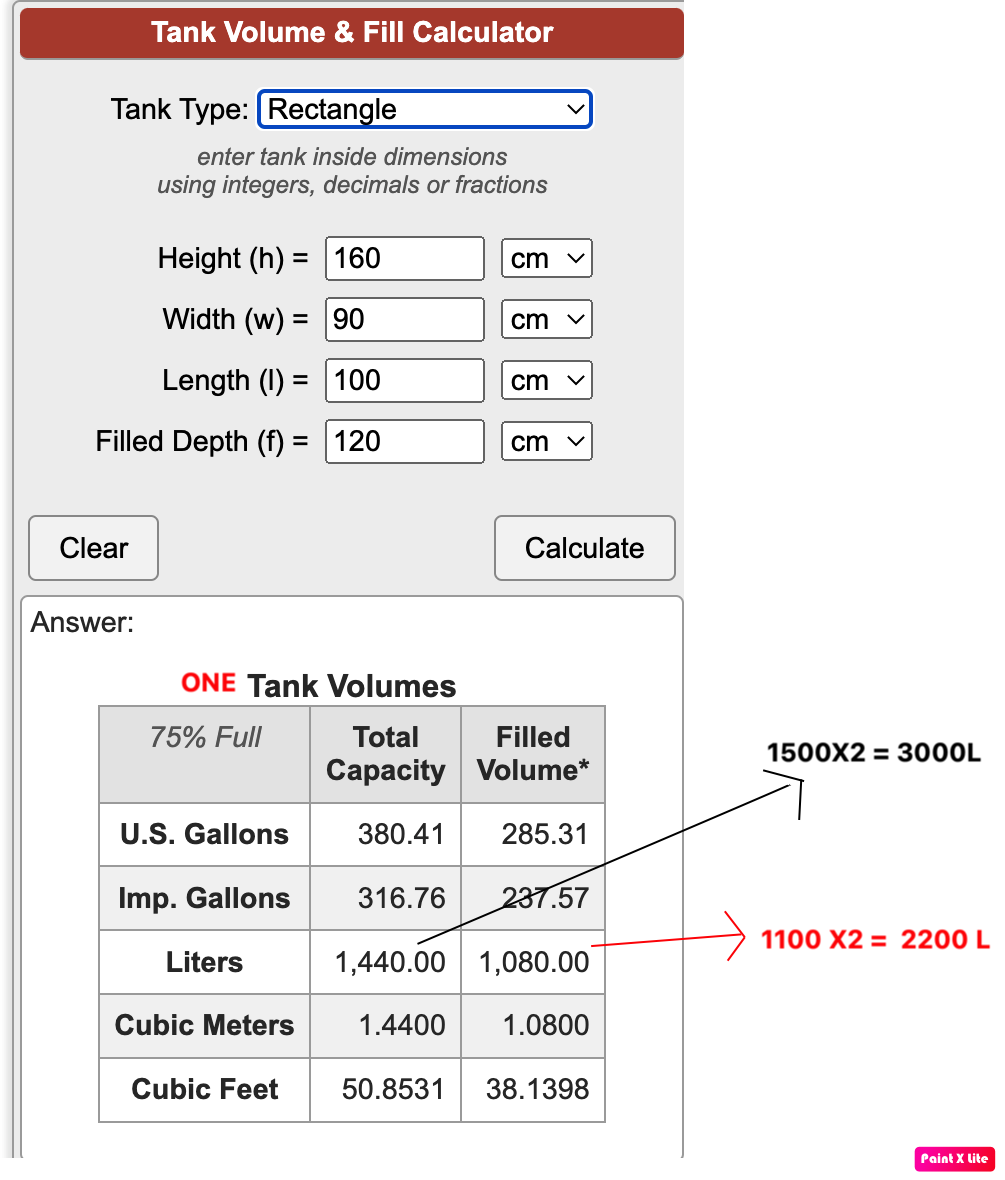
- Now latest size calculations are as below - D/H - 160cm, L-100cm, W - 90 cm (one tank)
- Total Tank capacity is 3000L and filled volume is 2200 L may be now this is inline with my 4 bed house??
- Another revelation is since blue level line in below pic showing current level is nearing inlet flow level (1) I suppose I am very close to what this tank can deal though as per volume calculation I have 800L is still empty. So due to inlet pipe level that empty volume in reality may not be useful..correct..?
1 -
sujsuj said:Another revelation is since blue level line in below pic showing current level is nearing inlet flow level (1) I suppose I am very close to what this tank can deal though as per volume calculation I have 800L is still empty. So due to inlet pipe level that empty volume in reality may not be useful..correct..?Yes, the water level should never be above the invert (bottom) of the incoming pipe - otherwise solids will settle in the connecting drain leading to blockages.The tank volume above the water level isn't useful for storing liquid/solid waste, but that isn't its purpose. You need a volume of space above the contents of the tank to allow (a) aerobic decomposition and (b) collection and release of decomposition gases. Somewhere you should have a vent pipe leading from that space to the open air.You wouldn't expect to see solids in the dip pipe (2) as the idea is for the incoming solids to be washed down the dip pipe and then either settle at the bottom or float up inside the tank to form a 'crust'. The dip pipe prevents the incoming contents from either just sitting on top of the crust, or agitating the tank contents so the crust doesn't form.Your volume calculation is still giving a result far lower than you'd expect for a septic tank serving a 4-bed property. It could be that you have a very undersized tank, but the advice I'd give remains the same - tell the company you don't know the actual volume but can they take up to (say) 1000 gallons.0
-
I know this isn't the topic of your current concern and is therefore off-immediate topic, however, given you bought the property recently and are only just investigating your septic tank, what do you know about the outflow?Where does it go? A drainage field has been mentioned, and you may or may not have one. If you do, do you know where and what condition it's in?If not, does the outflow go into a stream? Canal? Or where?Regulations have recently tightened, and new owners have a duty to comply with them, and upgrade where necessary....1
-
(Caution: Please note pics attached may not be suitable to watch while you are you are around your dining table!)
I got tank cleaned by a local waste collection team. I thought they did a great job until I checked tank again.
Looks like in the process they got pipe (cast iron ?) in the 'water' septic tank chamber dropped to the floor.
Please see the photos...I know its not a DIY work due the dangers involved, but wondering this need to be done?
As If I need to remove that pipe, need to act soon
Secondly waste collected I am told 600 gallons, which is much different from calculations shown in above post which calculated max 200 imperial gallons with 2 chambers together. Now that its empty I could do a better calculation after measuring tank size more accurately.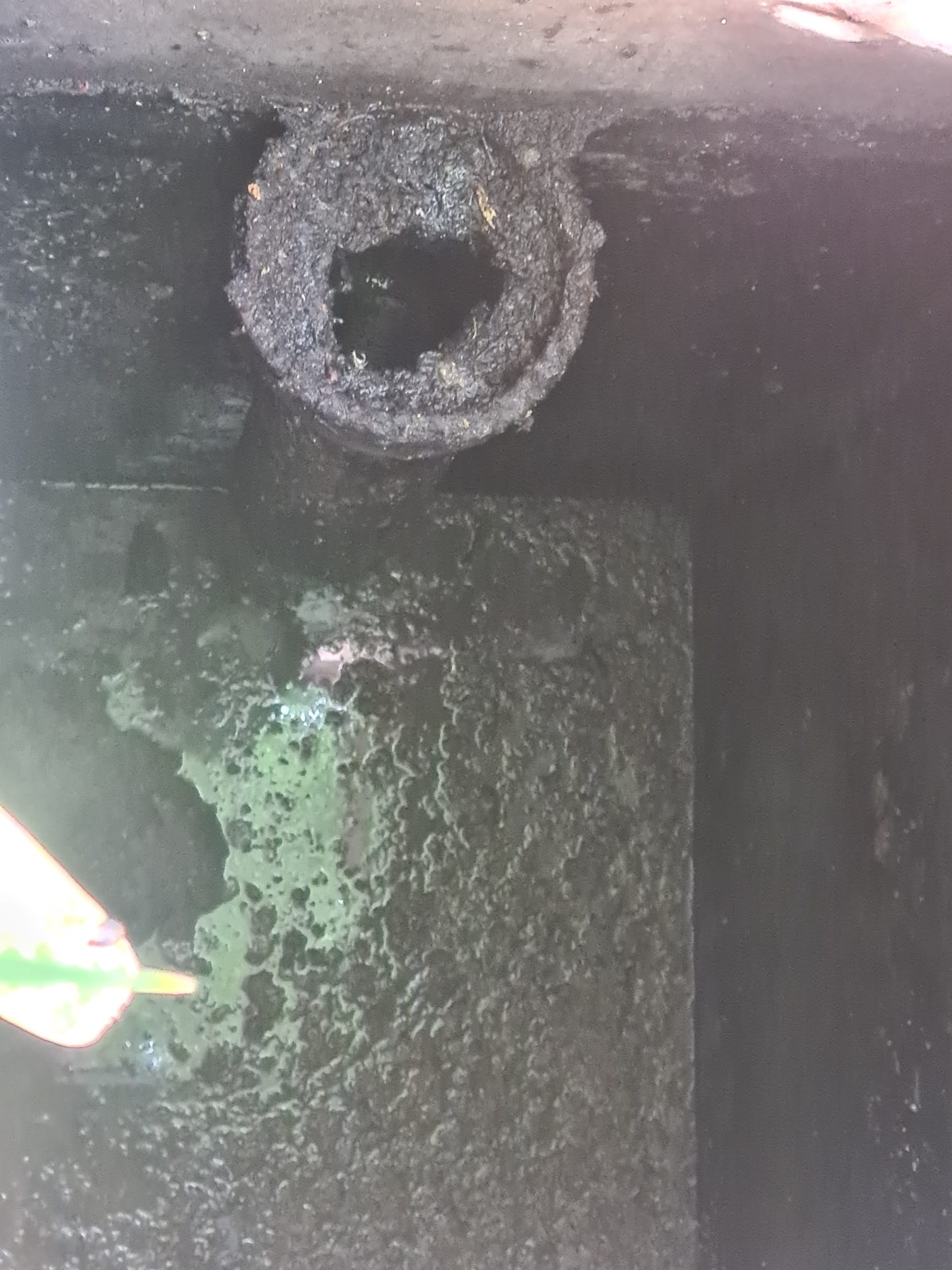
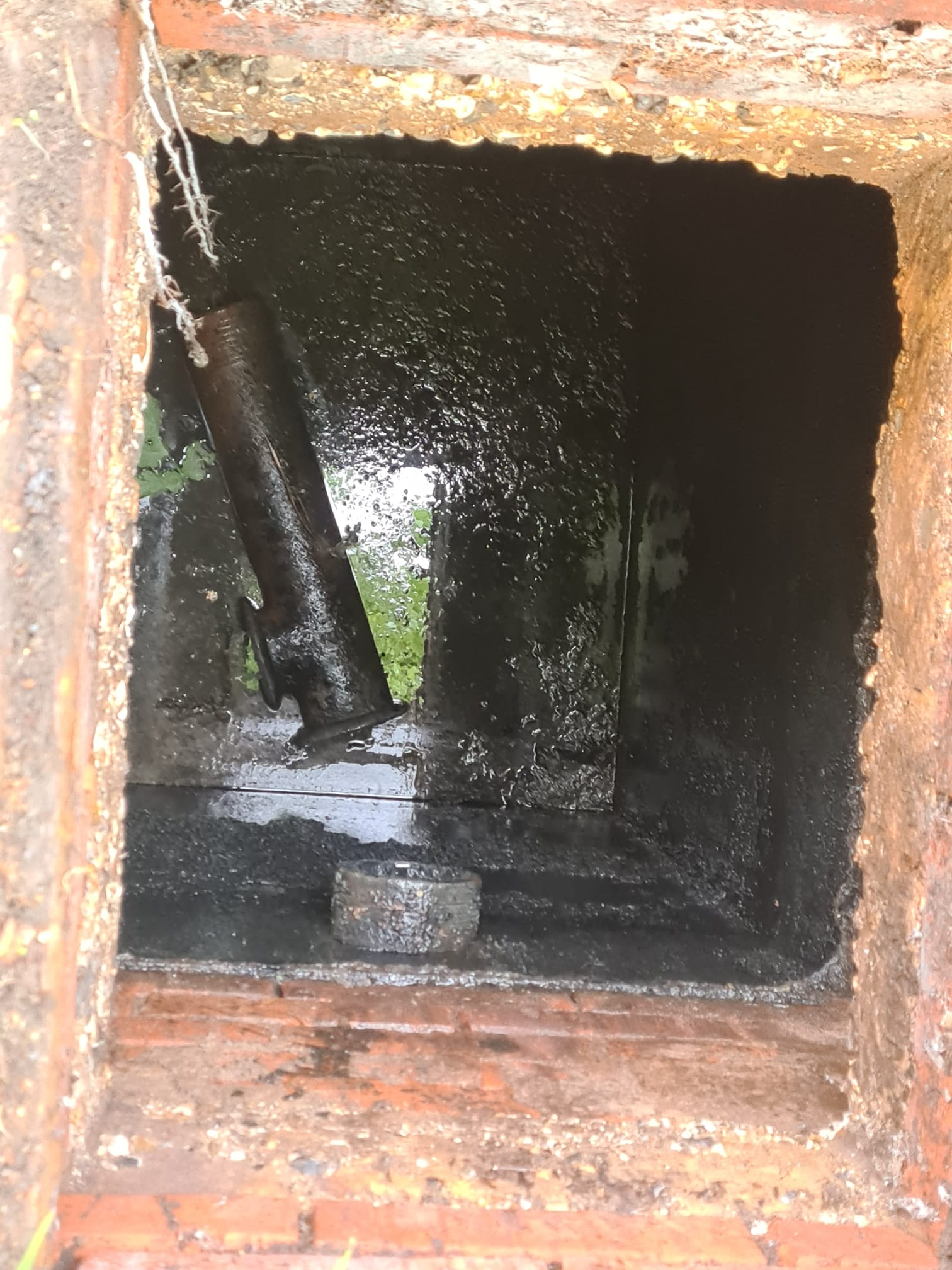
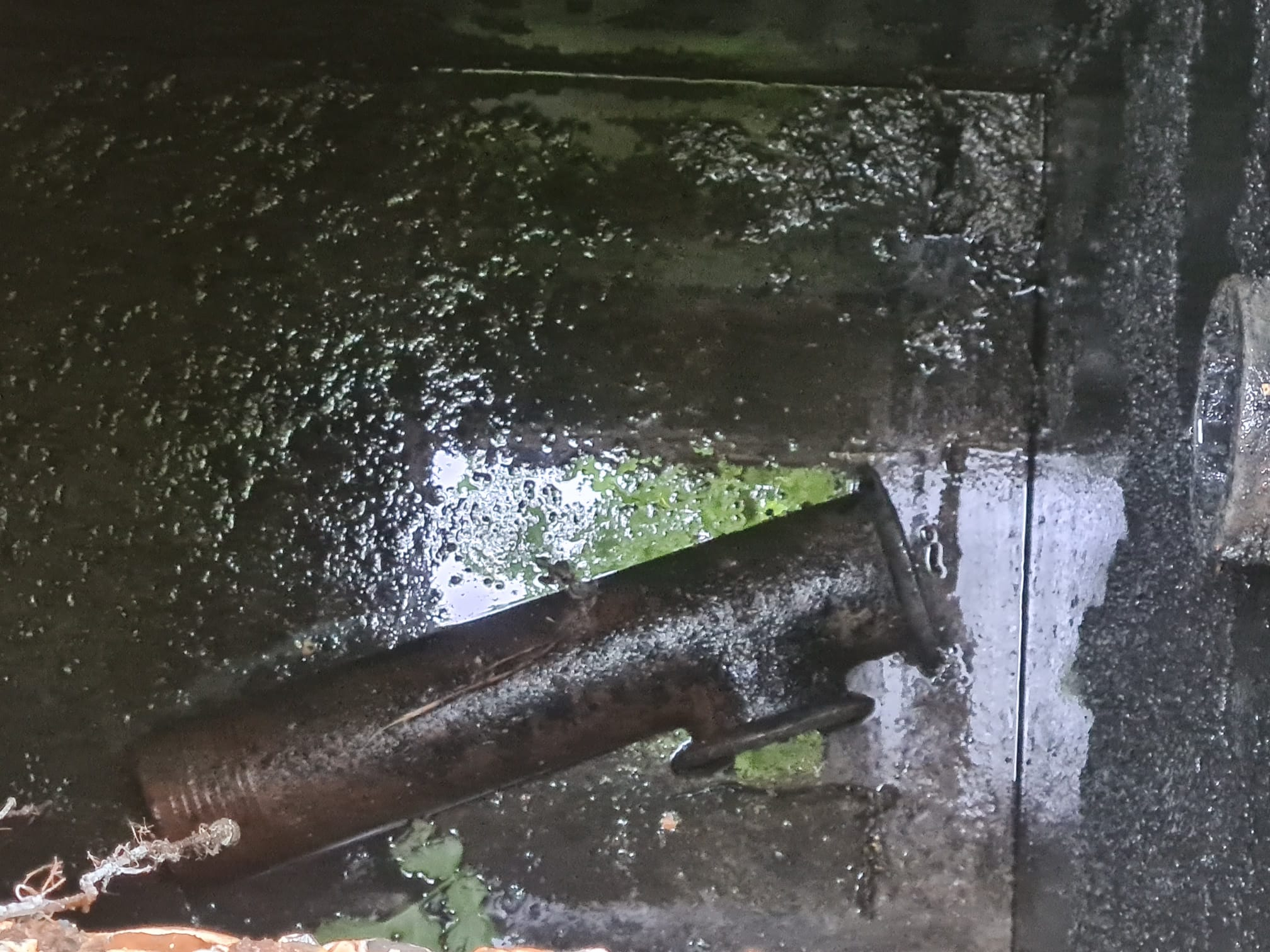
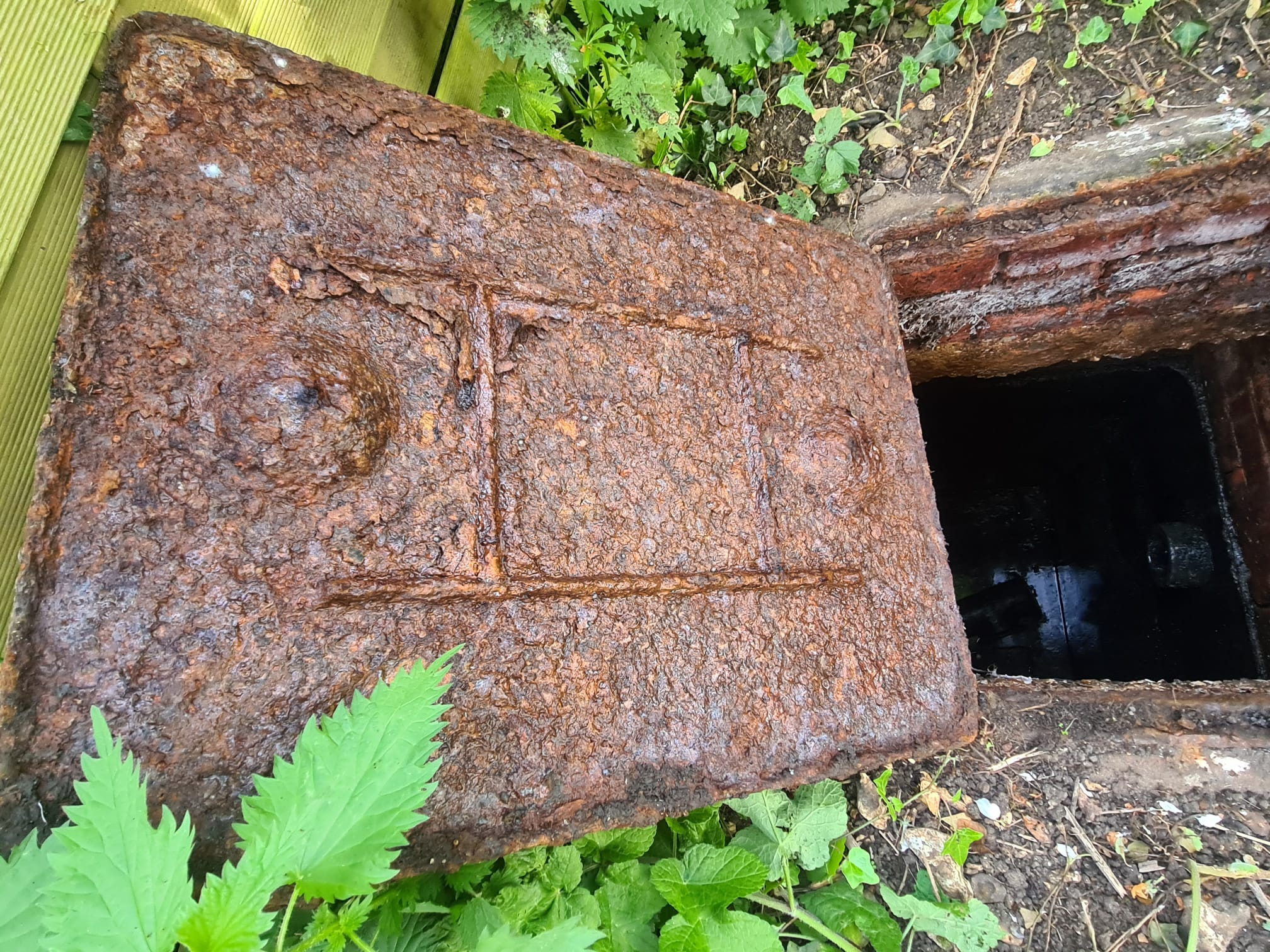
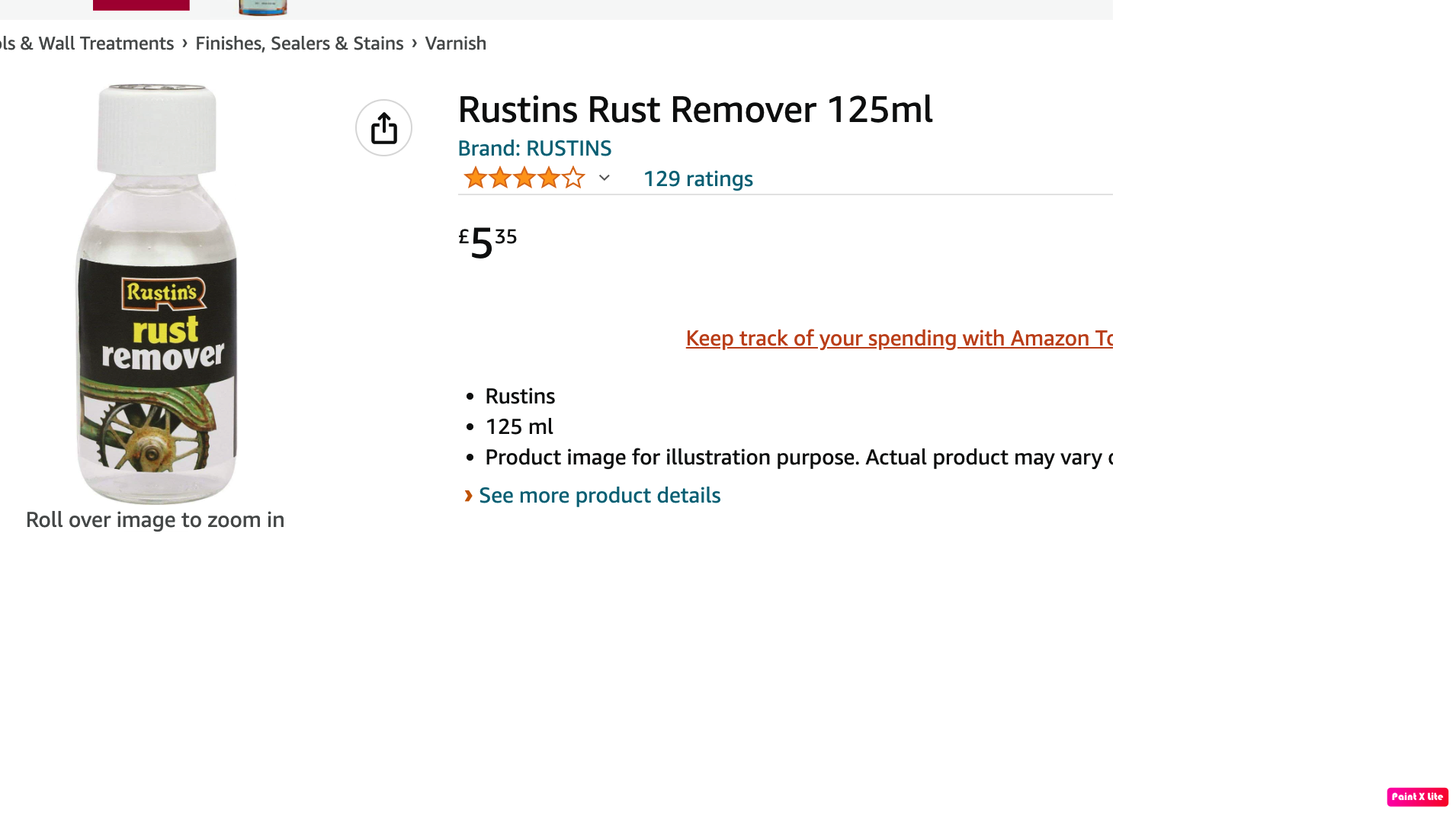 Third issue is lids are completely rusty, how could I rescue it? Pressure wash & paint?? is there any better option? applying rust removal liquid and paint..?
0 -
sujsuj said:(Caution: Please note pics attached may not be suitable to watch while you are you are around your dining table!)
I got tank cleaned by a local waste collection team. I thought they did a great job until I checked tank again.
Looks like in the process they got pipe (cast iron ?) in the 'water' septic tank chamber dropped to the floor.
Please see the photos...I know its not a DIY work due the dangers involved, but wondering this need to be done?
As If I need to remove that pipe, need to act soon
Secondly waste collected I am told 600 gallons, which is much different from calculations shown in above post which calculated max 200 imperial gallons with 2 chambers together. Now that its empty I could do a better calculation after measuring tank size more accurately.
Third issue is lids are completely rusty, how could I rescue it? Pressure wash & paint?? is there any better option? applying rust removal liquid and paint..?I wouldn't worry about the dip pipe (for now) - they aren't essential to the operation of a spetic tank, and there's no way of telling whether it was knocked off during the recent emptying, or has been sitting at the bottom of the tank for decades. (They are commonly knocked off and are found sitting on the bottom)Likewise, there's not much point doing anything about the rust on the chamber cover. It will start rusting again very quickly as the environment in a septic tank is close to ideal for rusting to occur. If the cover appears to be weakened by the rusting then just get it replaced. In the meantime if you are in any way concerned about people (especially children) falling in, then sit something on top of the cover so it cannot be stood on.Possibly more of a concern is the normal water level in the septic tank appears to be above the level of the pipes. Ideally the water level should be lower than the invert level of the incoming pipe to reduce the risk of blockages.One reason for the water level to be higher than designed/ideal is if the discharge system is defective, either due to poor design or age deterioration. That brings you back to canaldumidi's "off-immediate topic" post above... now would be a good time to see which side the discharge pipework exits the system and start thinking about whether maintenance/replacement is likely to be needed.0








Confirm your email address to Create Threads and Reply

Categories
- All Categories
- 354.6K Banking & Borrowing
- 254.5K Reduce Debt & Boost Income
- 455.5K Spending & Discounts
- 247.5K Work, Benefits & Business
- 604.4K Mortgages, Homes & Bills
- 178.6K Life & Family
- 261.9K Travel & Transport
- 1.5M Hobbies & Leisure
- 16.1K Discuss & Feedback
- 37.7K Read-Only Boards