We’d like to remind Forumites to please avoid political debate on the Forum.
This is to keep it a safe and useful space for MoneySaving discussions. Threads that are – or become – political in nature may be removed in line with the Forum’s rules. Thank you for your understanding.
📨 Have you signed up to the Forum's new Email Digest yet? Get a selection of trending threads sent straight to your inbox daily, weekly or monthly!
The Forum now has a brand new text editor, adding a bunch of handy features to use when creating posts. Read more in our how-to guide
We're aware that some users are currently experiencing errors on the Forum. Our tech team is working to resolve the issue. Thanks for your patience.
Dripping tap
Comments
-
The end cap looks like it's just dying to pop off (with a knife) or be unscrewed. If unscrewing, don a rubber glove to get a better grip.
Once the handle is off, you'll need a large adjustable spanner. Do you have one?
No reliance should be placed on the above! Absolutely none, do you hear?1 -
My elementary toolkit does include an adjustable spanner. Not that I’ve ever attempted to use it. This is going to be a journey of discovery!0
-
As long as you turn the water off before starting you can't go too far wrong!bouicca21 said:My elementary toolkit does include an adjustable spanner. Not that I’ve ever attempted to use it. This is going to be a journey of discovery!
Turn water off, then open the tap. Does any water come out? There'll be an initial gush possibly, then should be nothing.
No reliance should be placed on the above! Absolutely none, do you hear?2 -
Does turning the water off mean at the stopcock? I do actually know where that is. Sorry to sound so naive but there’s no point in me pretending to know things that have always been a mystery to me.
Deva have been been very helpful so I now know the model and have ordered the cartridges. Cross fingers I think I’ve worked out to get at the innards.
0 -
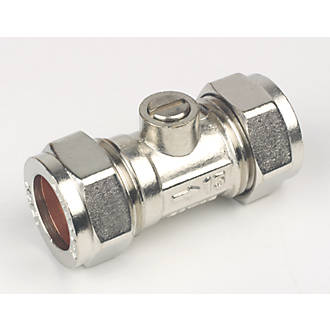
Hi,you may have isolator valves under the sink.
1 -
Yes as you need to completely shut off the cold water flow, and let all the water drain out from the tap.bouicca21 said:Does turning the water off mean at the stopcock? I do actually know where that is. Sorry to sound so naive but there’s no point in me pretending to know things that have always been a mystery to me.
Deva have been been very helpful so I now know the model and have ordered the cartridges. Cross fingers I think I’ve worked out to get at the innards.0 -
Boudicca, just be clear that the only thing holding the water inside the pipe is the part of the tap you need to remove. If the water is on when you remove that part, the water pressure is enough for it to hit the ceiling and it will continue gushing until you find some way to turn it off. House insurance may not cover the damage!
It doesn’t matter whether you turn off the main stop tap or an isolation valve. Better still turn off both. But check that it is off before removing anything.
No reliance should be placed on the above! Absolutely none, do you hear?3 -
Look under the sink and try and find the two pipes that supply the tap. Now check if there are valves on them as Frugal has shown above.If there are, then just give the one that's supplying the side you are taking apart a quarter-turn, so the screw slot is at right-angles to the direction of the pipe. Turn on that tap, and nothing should come out (apart from a brief pulse).If that's the case, then carry on taking your tap apart If the pipes do NOT have these isolating valves on them, then you'll likely need to shut off the MAIN stopcock coming into the house. Shutting this off should 'immediately' turn off the COLD side of your kitchen tap, but the hot depends on the type of water system you have. If you have a 'combi' boiler, then the hot - too - should shut off right away.1
-
frugalmacdugal said:Hi,you may have isolator valves under the sink.
Personally, if there is a main stop tap I'd turn the water off there (only) and not touch the wretched isolator valves.GDB2222 said:
It doesn’t matter whether you turn off the main stop tap or an isolation valve. Better still turn off both. But check that it is off before removing anything.
Otherwise the next job on the list could be buying and fitting replacement isolator valves when they decide to start leaking.
1 -
Not much point having isolation valves if they're not going to be used.Section62 said:frugalmacdugal said:Hi,you may have isolator valves under the sink.
Personally, if there is a main stop tap I'd turn the water off there (only) and not touch the wretched isolator valves.GDB2222 said:
It doesn’t matter whether you turn off the main stop tap or an isolation valve. Better still turn off both. But check that it is off before removing anything.
Otherwise the next job on the list could be buying and fitting replacement isolator valves when they decide to start leaking.0









Confirm your email address to Create Threads and Reply

Categories
- All Categories
- 354.5K Banking & Borrowing
- 254.4K Reduce Debt & Boost Income
- 455.4K Spending & Discounts
- 247.4K Work, Benefits & Business
- 604.2K Mortgages, Homes & Bills
- 178.5K Life & Family
- 261.6K Travel & Transport
- 1.5M Hobbies & Leisure
- 16K Discuss & Feedback
- 37.7K Read-Only Boards