Ready, steady… save!
You don’t need a chart to join in. Here are 2 ways to record your savings:
1. Cross it off
Pop a chart into your first post. Saved an amount? Cross it out! Read more »
£0.01 £0.02 £0.03
2. Write it down
Skip the chart and add updates to your first post. Read more »
“Another +£3 saved today. Go me!”
Use +£ before each new saving so it counts towards your total.
We’d like to remind Forumites to please avoid political debate on the Forum.
This is to keep it a safe and useful space for MoneySaving discussions. Threads that are – or become – political in nature may be removed in line with the Forum’s rules. Thank you for your understanding.
📨 Have you signed up to the Forum's new Email Digest yet? Get a selection of trending threads sent straight to your inbox daily, weekly or monthly!
Decorator Issue, Advice Please
Comments
-
-
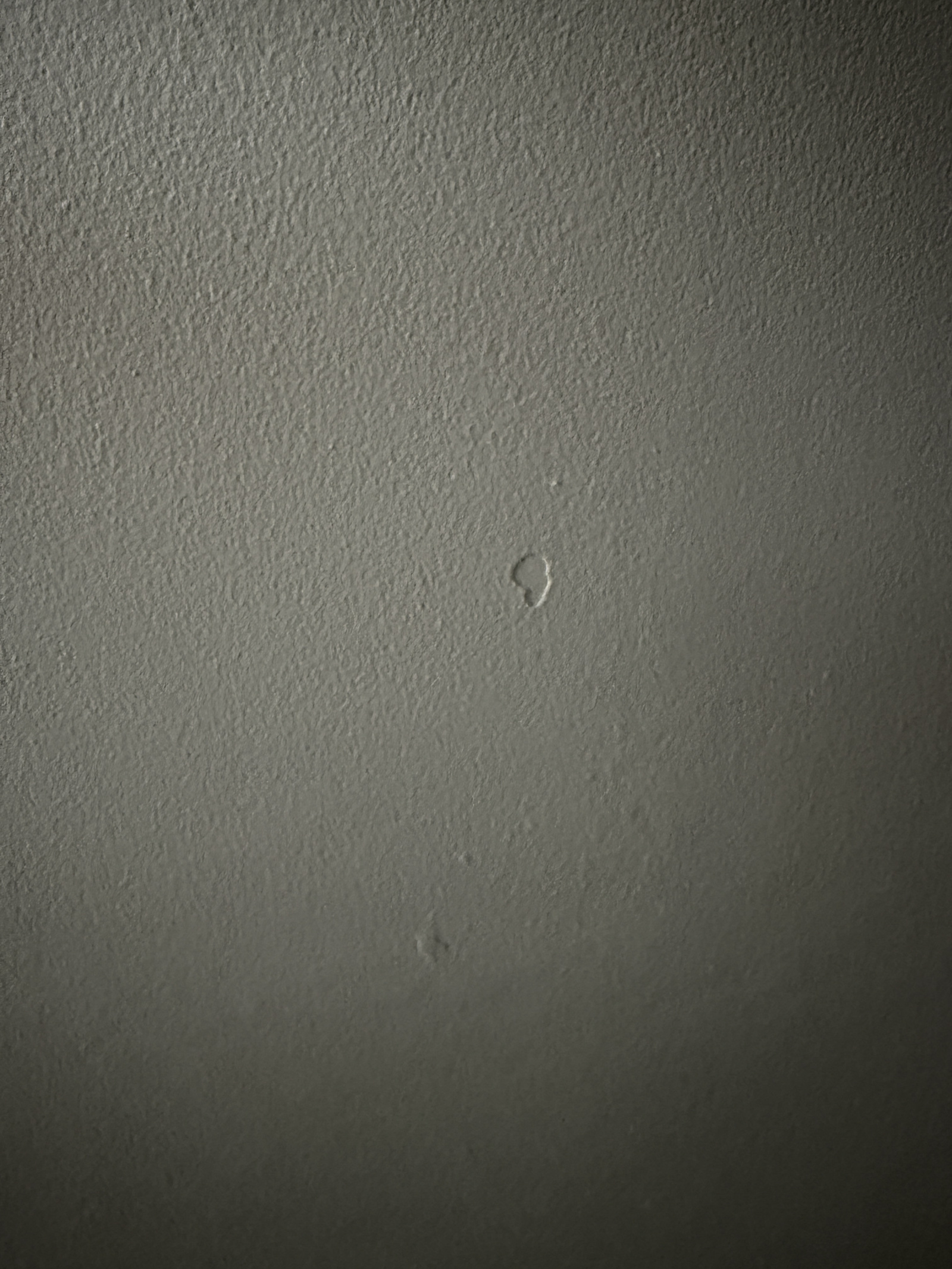
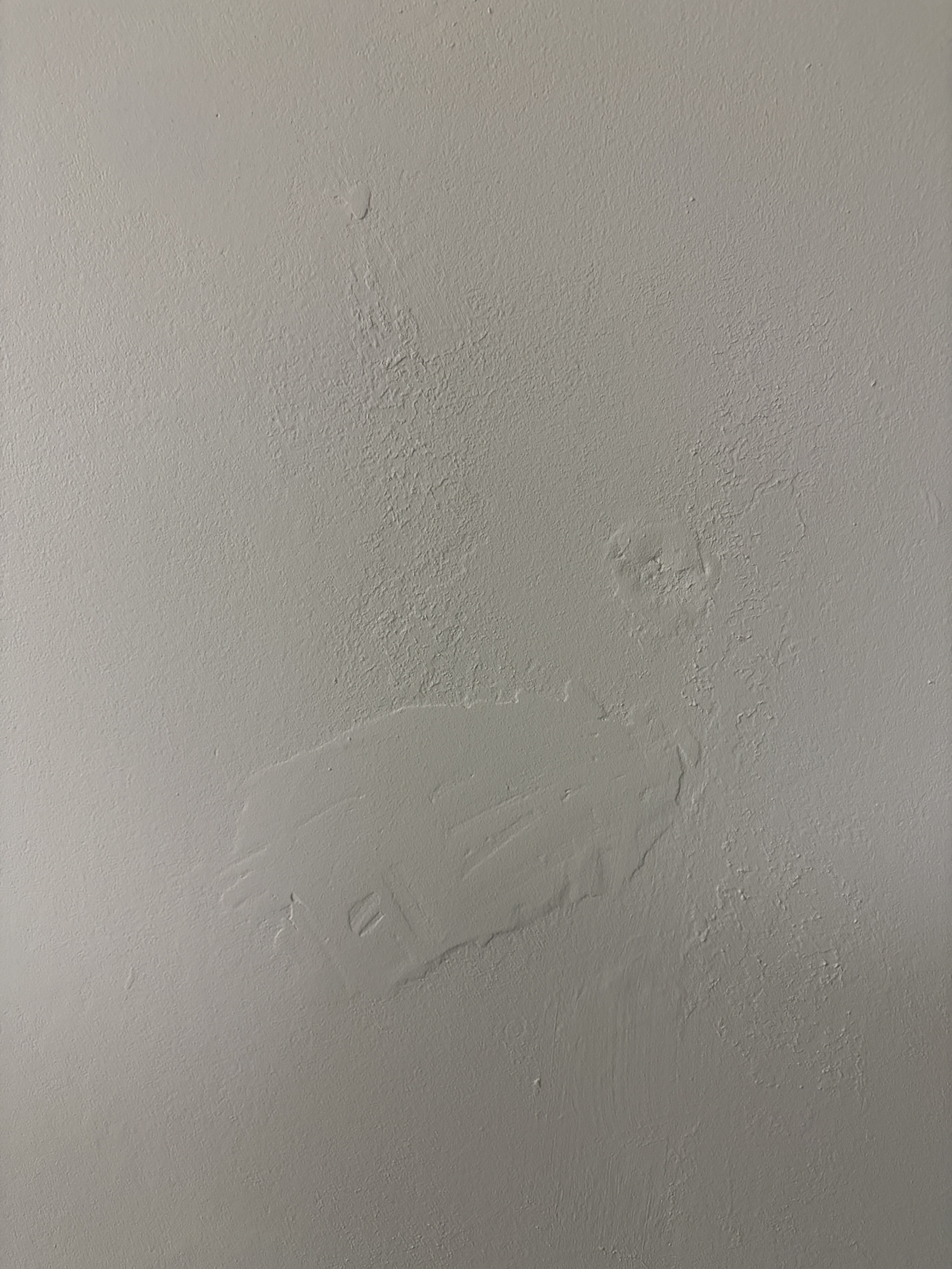
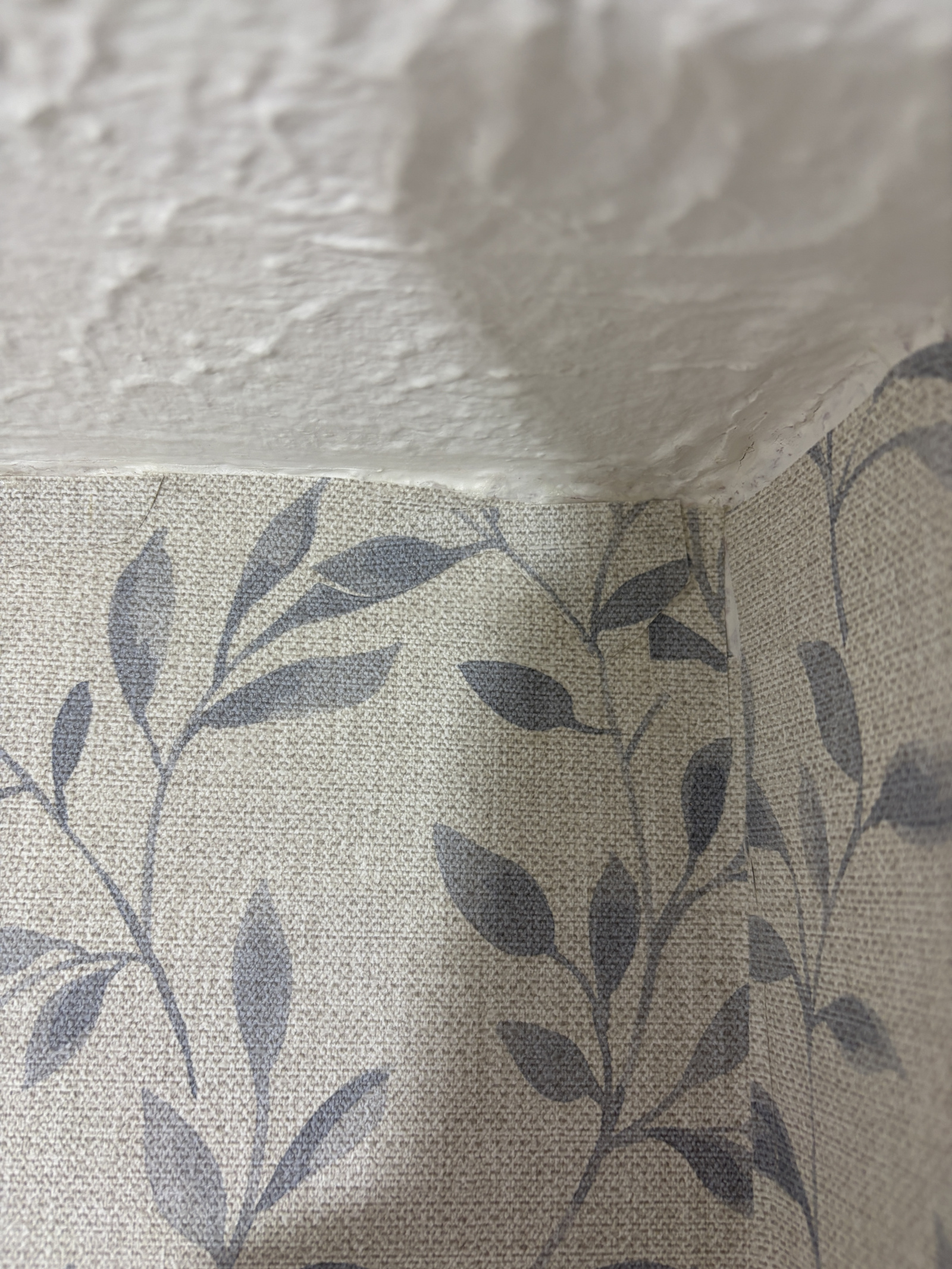
this is from the painting in the living room, I know the walls were not the best to begin with but what should we do?
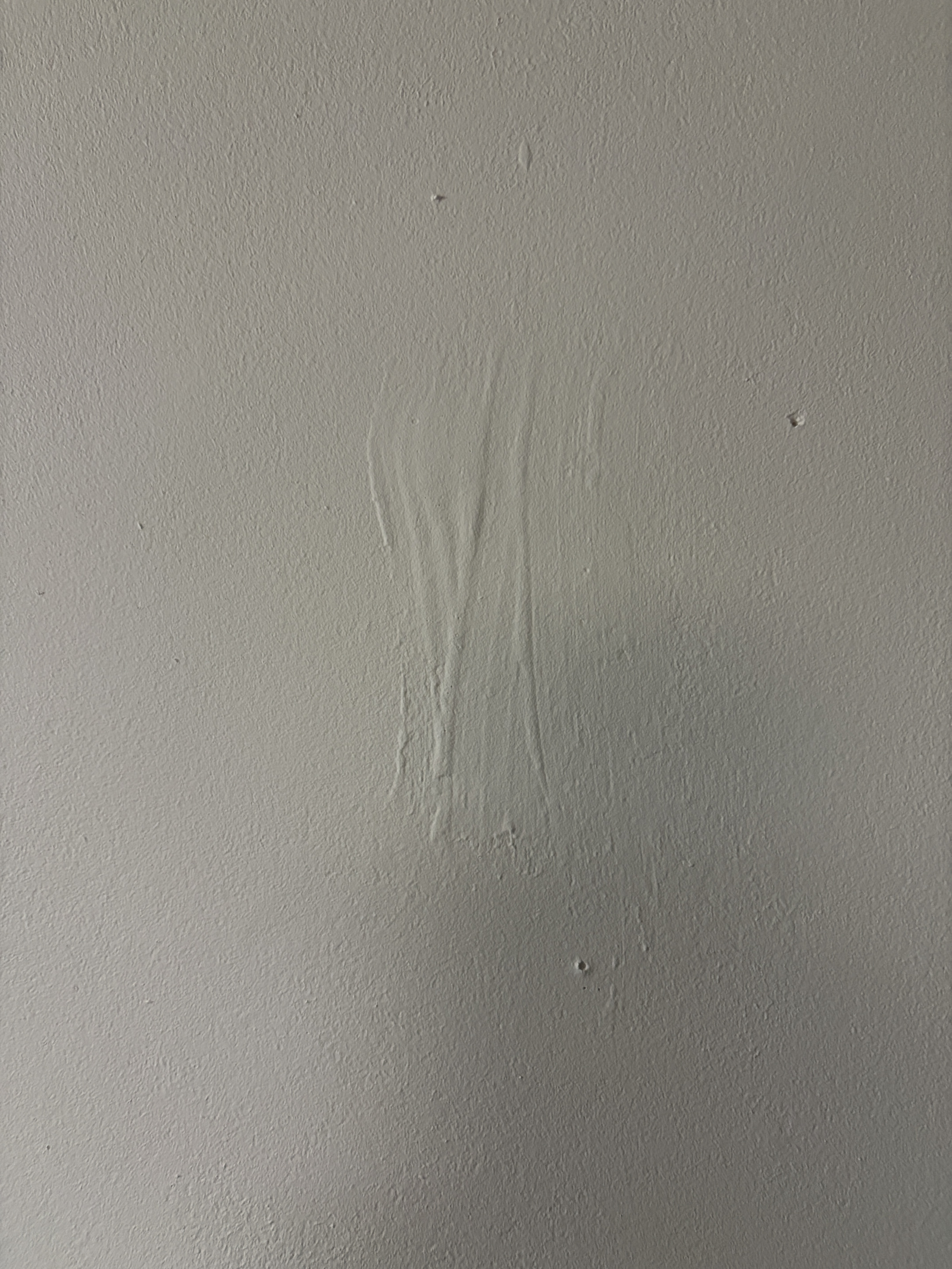
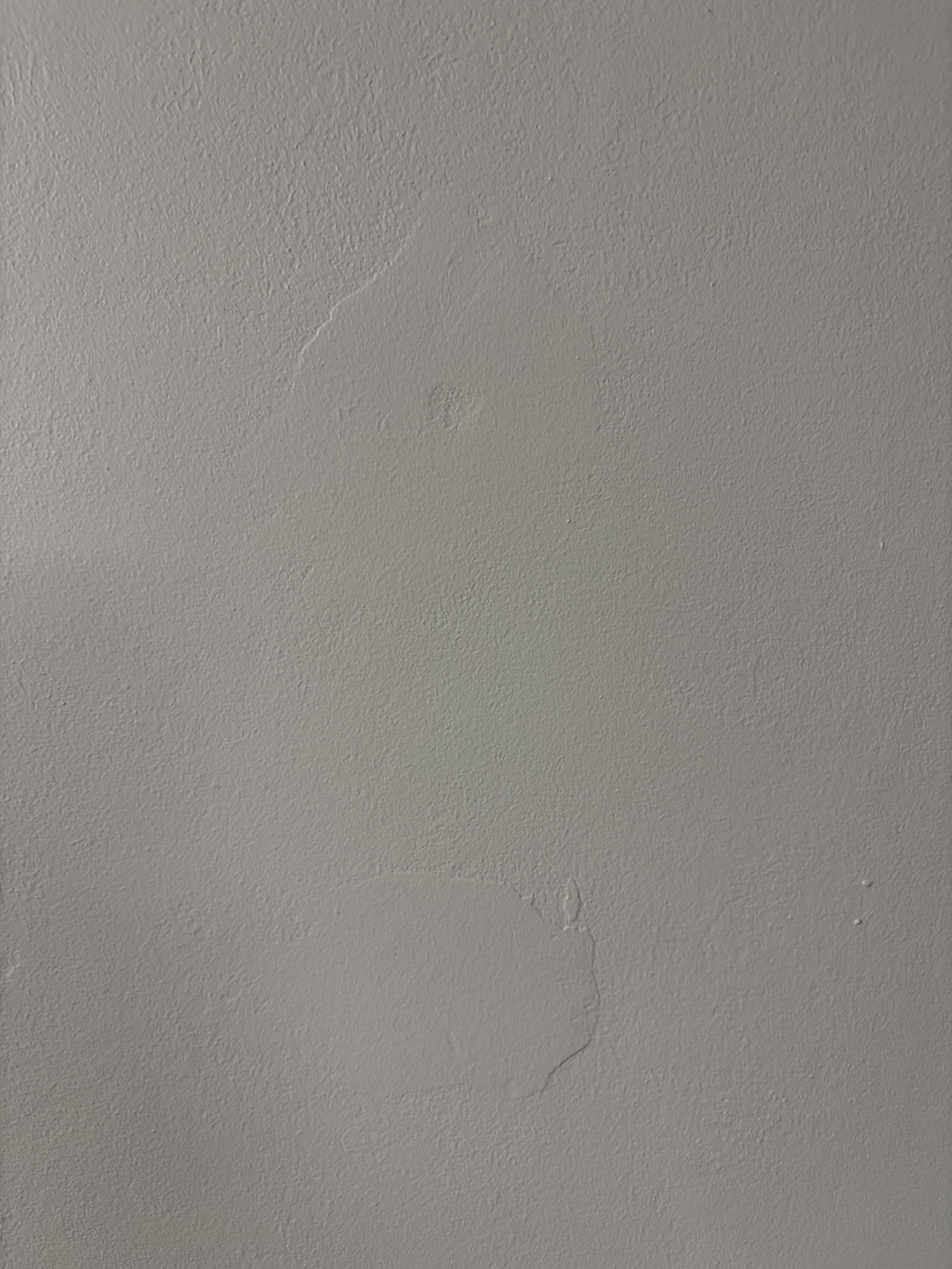
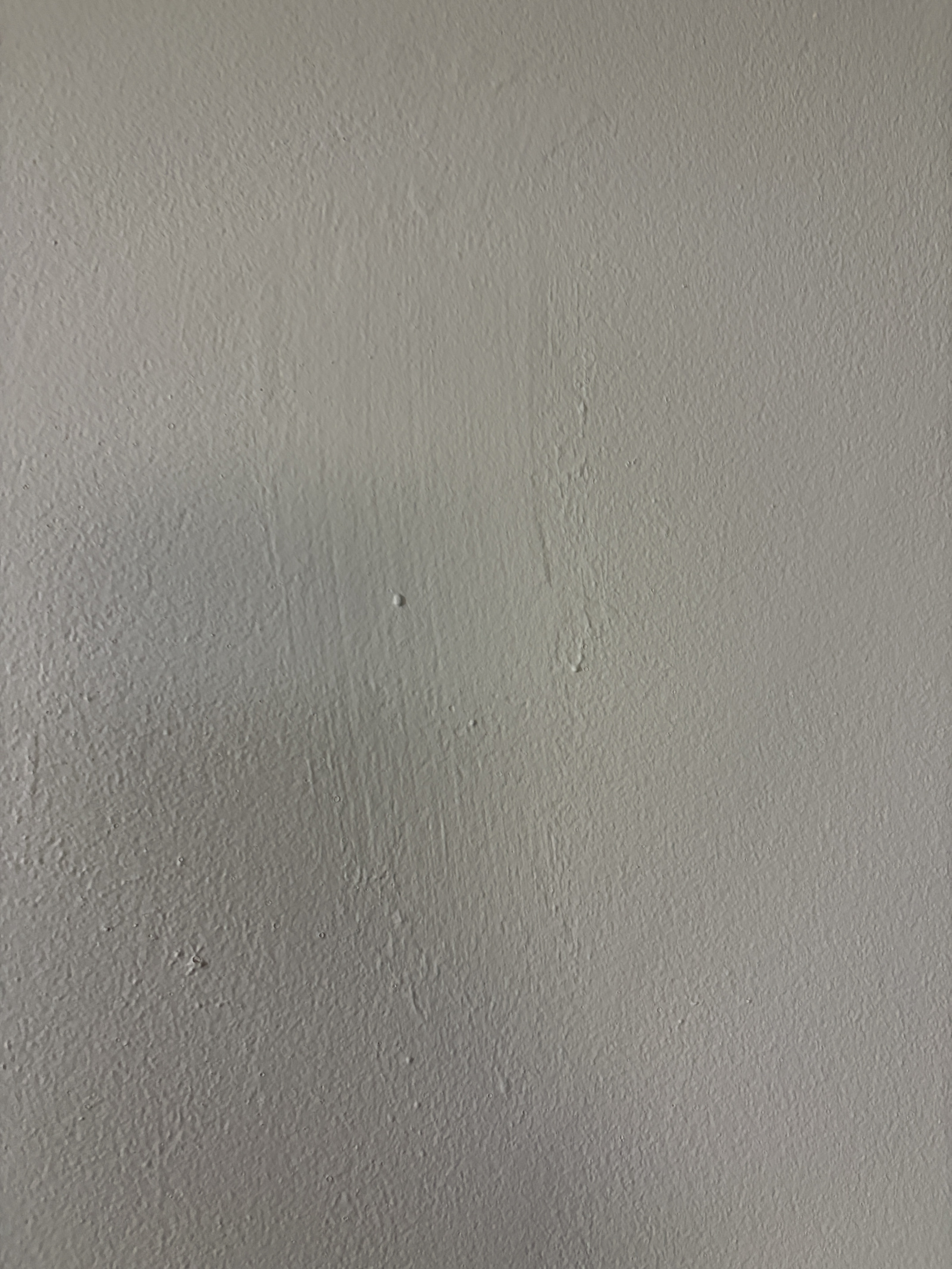
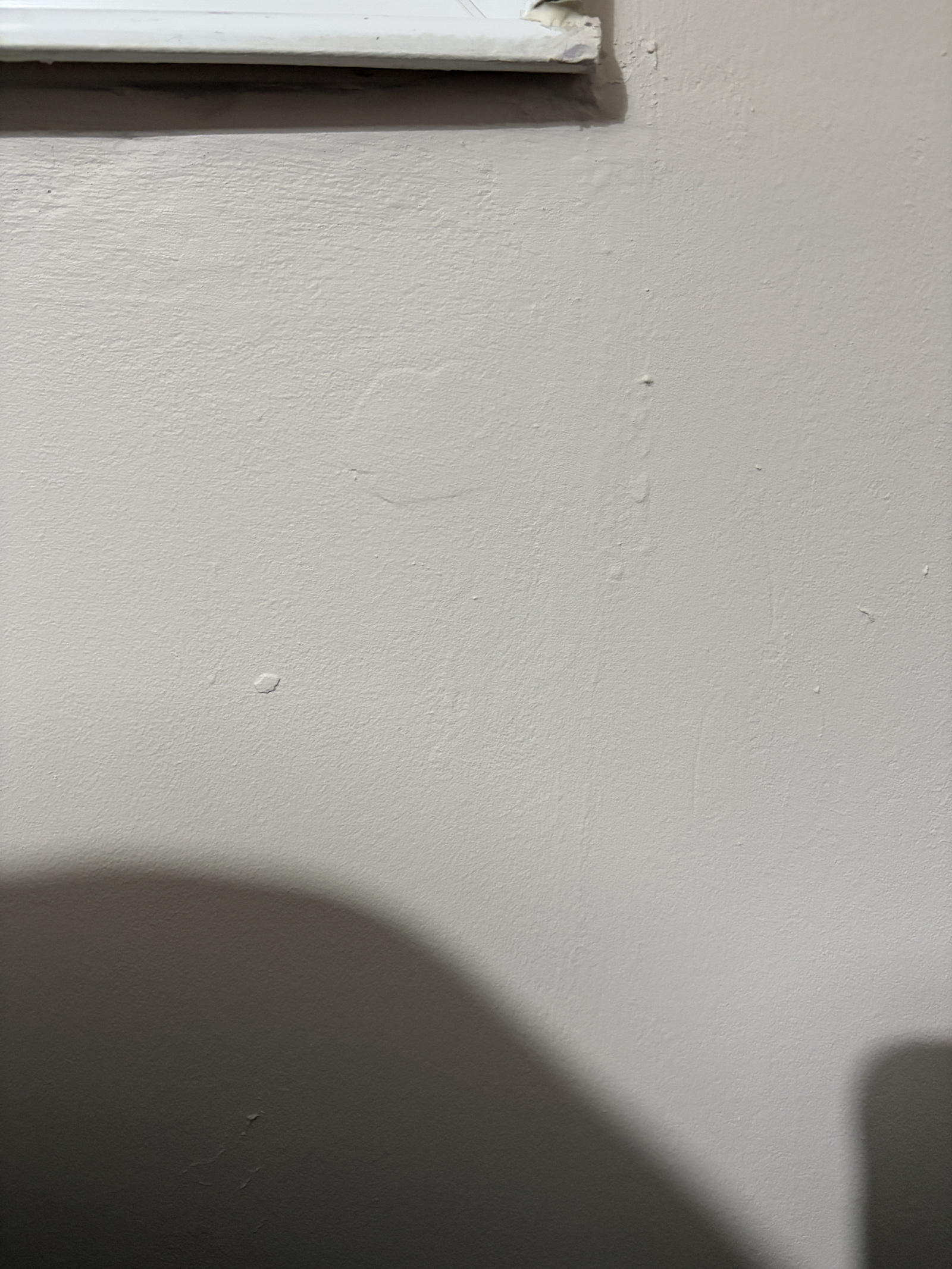
 1
-
I’ve just checked our contents insurance policy and it says we have home legal expenses included
1 -
it was just paint on the walls, nothing else
0 -
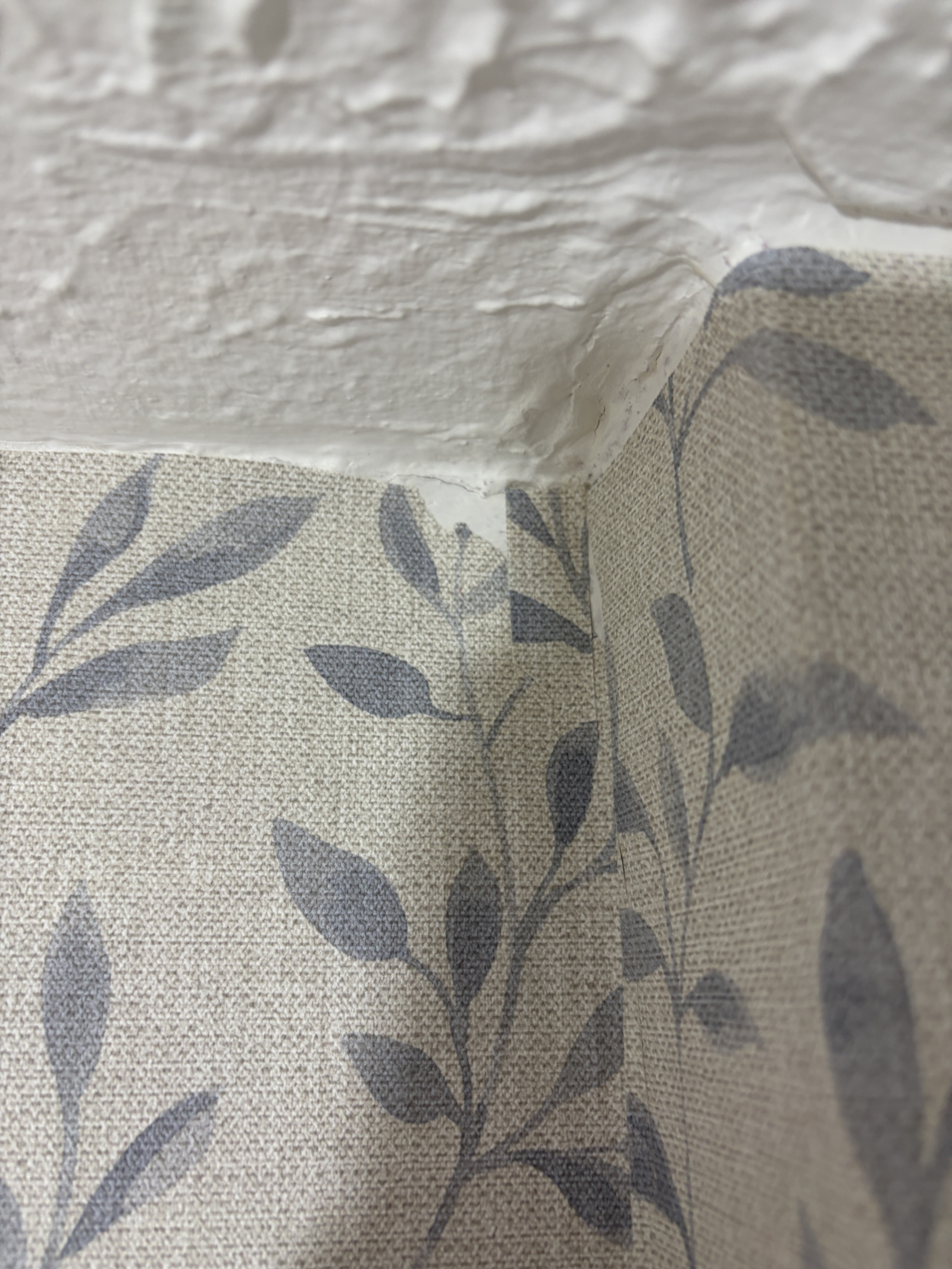
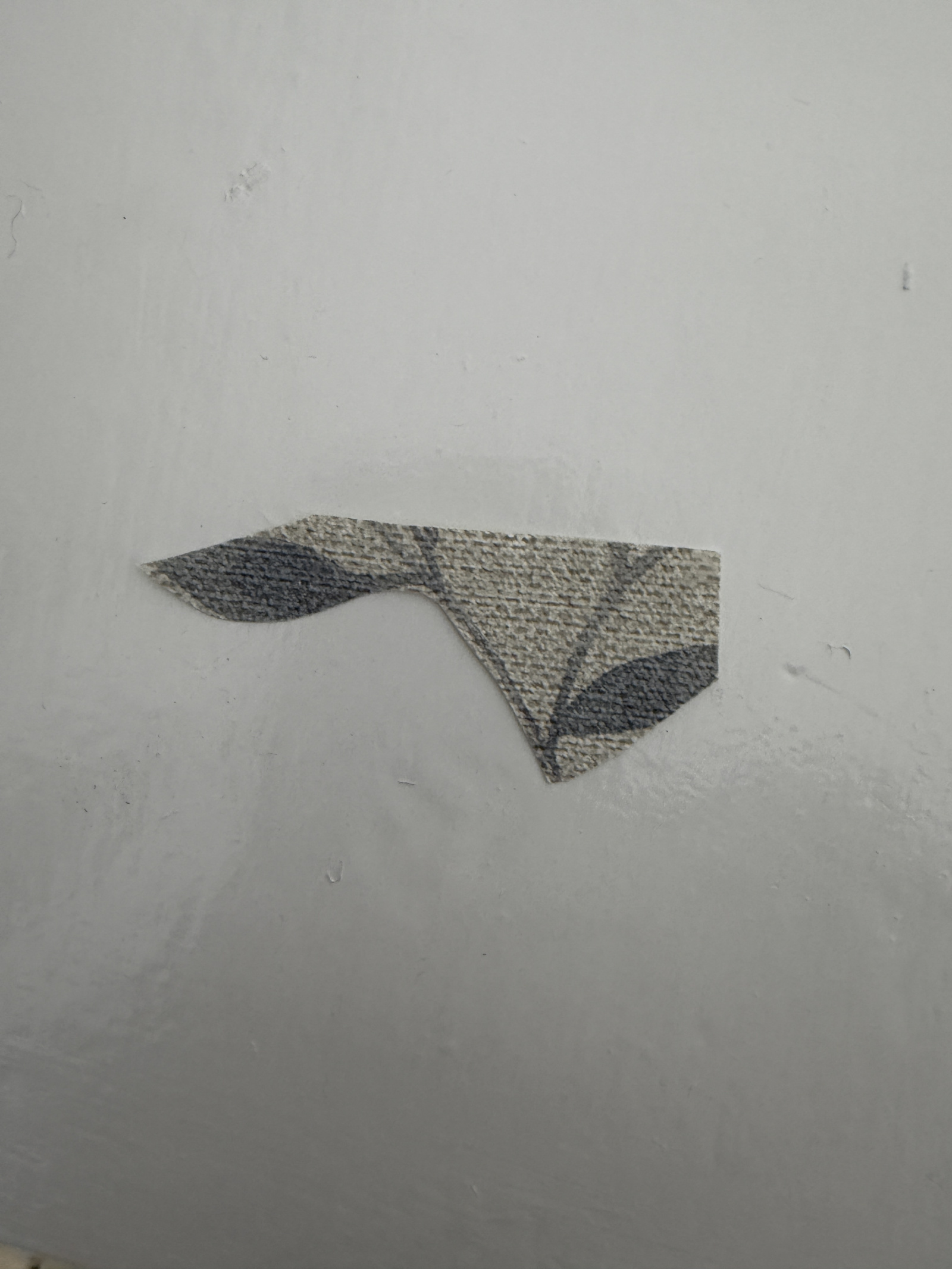
Looking at that photo, there has been no effort to align pattern between sheets and the cutting in of random pieces to fill the tears makes it worse.
I could do better as a DIYer
0 -
Professional decorators don't waste time cutting lengths with scissors, they use a knife.
0 -
What did he say about it all? What was his attitude? What about the tears around the sockets? What about the gaps between the sheets?
0 -
The wallpaper issue is pretty clearcut - the job he did was not acceptable, end of. I would suggest that how he fixes it will depend on what you pay him; full payment for redoing - repapering - it properly. Or, an agreed discount for accepting what is a bodge with these sorts of patches, gaps, and tears, provided you are prepared to accept them, and the discount is commensurate. Ie, if you can consider the repaired work is now 'visually' acceptable, and can overlook/live-with the fact it was bodged to get there, then that's your call to make, and your discount to haggle.
I would suggest that there is really only one standard for wallpapering, and that's with near-invisible sheet butts, and no repaired tears or gaps. If you cannot do that, then you shouldn't be offering your services. Anything less demonstrates incompetence or carelessness, and requires a significant discount, and then only on the customer's acceptance.
However, the paint finish on walls (and doors and architrave etc) is a much more complex matter, as it will come to what was discussed and agreed beforehand. There usually will be different standards to be met here, ranging from what you have - a recoat with no prep, so every existing blemish shows through - to a near-perfectly smooth and blemish-free finish. Clearly, the latter will take a lot more work, as all the raised bits will require sanding flat, and all the hollows will need filling, and then ditto. Expect to pay pretty much double for a 'flawless' finish.
So, how acceptable the finish is will largely come down to the price paid, and what was agreed at the quoting stage.
A pro painter should have discussed this with you beforehand so it was fully understood, and there would be no comeback or disappointment. There is some onus on the customer here, too, tho' I would place the greater responsibility on the 'pro' to have explained this.
The P&D should have examined the walls, described its current condition, and then should have made clear your options, and given you a range of quotes.
I'm guessing this didn't happen? Can you recall everything that was said at the viewing and quoting stage? What did he say he would 'do'?
0 -
He said he would fill all the holes, sand and then paint. I never expected him to skim the walls so they were flat but expected a better job than that
1 -
I wasn't referring to 'skimming' at all - that is only required when the wall has significant and extensive damage, in which case a re-skim is usually quicker and gives a better finish than 'patching'. Your, wall, however, is essentially fine, but has a number of obvious blemishes from things like screw holes having been filled.
From your pics, localised 'patching' and sanding of these individual spots is all that appears to be required. That is using fine filler and a 'knife to take care of dips like in your pic 4 - a 2-second job - and a sanding block to flatten the raised bits in your other pics - 30 seconds each.
Thanks for confirming that he did say he would 'sand' before painting. It is evidentially clear that he hasn't done this.
Q - see the raised bits of filler shown in pics 1-3 and 5, were these already existing, or did he create them by filling holes that were there?
0










Categories
- All Categories
- 356K Banking & Borrowing
- 255K Reduce Debt & Boost Income
- 456.3K Spending & Discounts
- 248.5K Work, Benefits & Business
- 606.2K Mortgages, Homes & Bills
- 179.1K Life & Family
- 264.1K Travel & Transport
- 1.5M Hobbies & Leisure
- 16.2K Discuss & Feedback
- 37.7K Read-Only Boards