Ready, steady… save!
You don’t need a chart to join in. Here are 2 ways to record your savings:
1. Cross it off
Pop a chart into your first post. Saved an amount? Cross it out! Read more »
£0.01 £0.02 £0.03
2. Write it down
Skip the chart and add updates to your first post. Read more »
“Another +£3 saved today. Go me!”
Use +£ before each new saving so it counts towards your total.
We’d like to remind Forumites to please avoid political debate on the Forum.
This is to keep it a safe and useful space for MoneySaving discussions. Threads that are – or become – political in nature may be removed in line with the Forum’s rules. Thank you for your understanding.
PLEASE READ BEFORE POSTING:
Hello Forumites! In order to help keep the Forum a useful, safe and friendly place for our users, discussions around non-MoneySaving matters are not permitted per the Forum rules. While we understand that mentioning house prices may sometimes be relevant to a user's specific MoneySaving situation, we ask that you please avoid veering into broad, general debates about the market, the economy and politics, as these can unfortunately lead to abusive or hateful behaviour.
Threads that are found to have derailed into wider discussions may be removed. Users who repeatedly disregard this may have their Forum account banned. Please also avoid posting personally identifiable information, including links to your own online property listing which may reveal your address. Thank you for your understanding.
📨 Have you signed up to the Forum's new Email Digest yet? Get a selection of trending threads sent straight to your inbox daily, weekly or monthly!
Buying 1930s 3 bed house - cracks around window




Hi all,
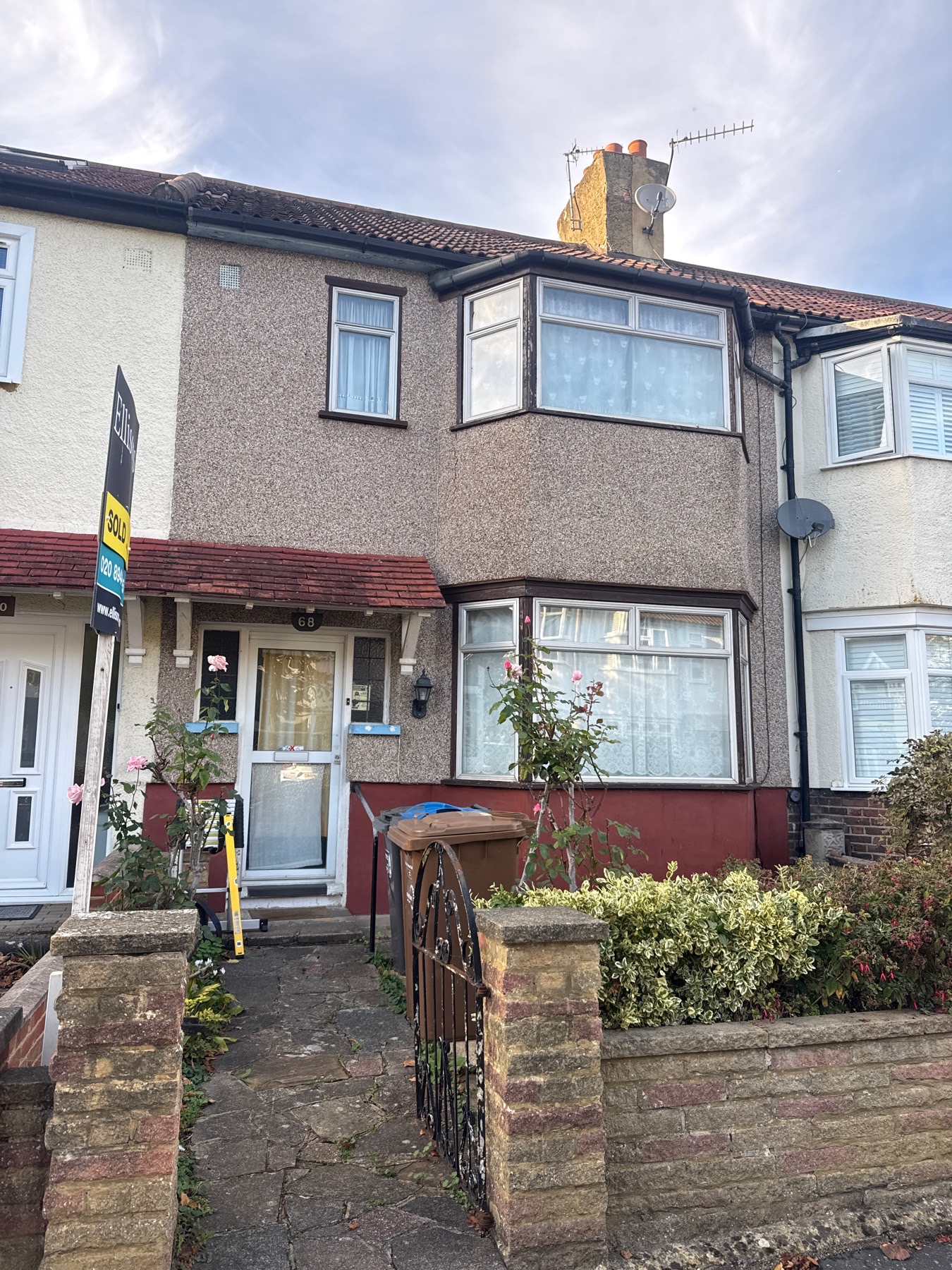
I'm buying a 1930s house and have noticed some cracks around the bay windows that are worrying me a bit.
Photos: https://myimgs.org/gallery/DgGRAgom.
The top bay window has large cracks in the render on either side.
The bottom bay window has a crack in the middle of the render, running from under the window sill right down to the ground.
The inside wall of the bottom bay window is covered with wood panels, so I can't see if there's any cracking or damp behind it. Not sure if it's just old decor or if it's covering something up.
I've had a Level 3 RICS survey done. It says there are no visual signs of active subsidence, and there are no cracks on the inside walls by the upstairs bay window. But the surveyor still recommends getting a structural engineer to look at it before I buy.
I've already managed to get the price down, but I really want to avoid buying into a big structural issue that's too expensive to fix. (e.g. £7-10k+)
A few questions:
- What do you think is causing the cracks? Is it a big issue like subsidence, or a relatively easy fix and not a severe structural problem?
- Is a structural engineer really necessary given what the survey said?
- Has anyone had something similar on a 1930s bay, and roughly what did it cost to sort?
- Should I walk away or am I overreacting?
Thanks in advance
Comments
-
Old House's with bay windows didn't have the same foundation depth as the main house does I believe.
I would get a SE to look at the house as they will be more knowledgeable on the subject.
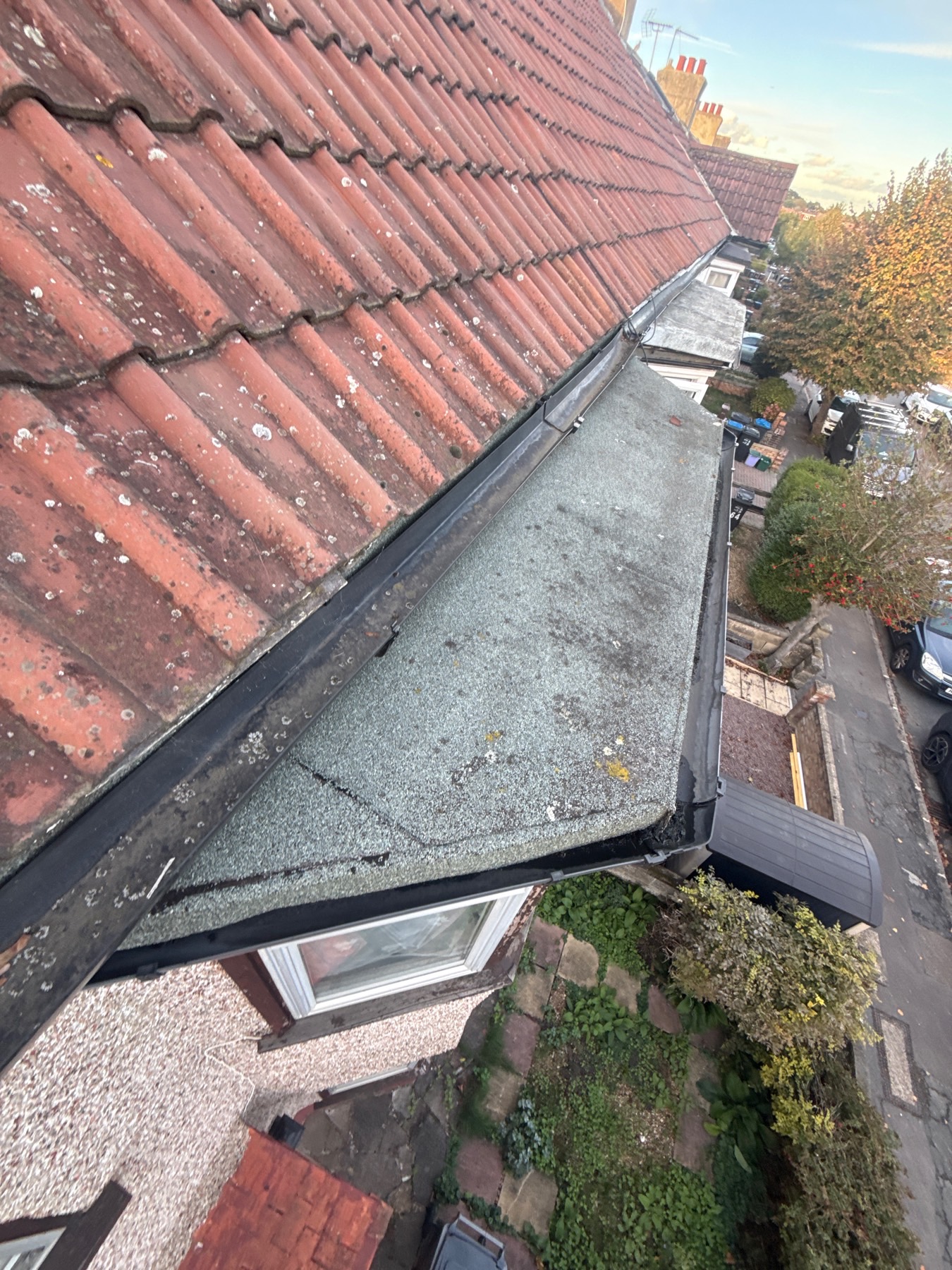
Have you looked at the roof above the top bay window to see if that looks ok?
Another way to check the bay is getting a small spirit level and see if the window is level and try the upstairs bay window also.
What type of windows are they?
0 -
1930's bay windows are notorious for cracking issues - especially where the original wooden window frames were structural and have been replaced with unsuitable uPVC windows.
That said, although the pictures are too small to be able to see details, the external pictures are showing cracking in render/pebbledash which doesn't necessarily mean the structural wall behind is also cracking.
Unfortunately without removing some of the render/pebbledash to inspect it will be nothing more than a guess whether this is serious.
If your max budget for a repair is £10k then you might need to give this property a miss, as it could be a lot more expensive than that.
0 -
The photos are very small, and one gets a 404 if the full stop at the end of the link is not omitted.
However, the cracks don't look too shocking to me, and if there's no evidence inside to indicate similar cracking I'd not be very concerned, given it's a 1930s construction, having just weathered one of the driest summers on record. On London and the South East clay, or similar, there will have been considerable shrinkage in the subsoil. This is a very common scenario, with many thousands of houses built 80 or 90 years ago having similar 'problems.'
Bay windows are commonly single skin on these properties and a significant cause of heat loss. Ours certainly was when we owned one, but the foundations all-round were only about 0.3m deep! When we extended, our foundations had to go down the 'standard' 1 metre.
People don't usually buy '30s houses for their great structural integrity, but it is worth having a structural engineer's opinion if it gives peace of mind. Alternatively, your surveyor may be willing to be more candid verbally. In print, they do tend to cover their rear ends carefully!
Don't tell us to prepare while you make us more vulnerable. Bret Weinstein
0 -
I've had a Level 3 RICS survey done. It says there are no visual signs of active subsidence, and there are no cracks on the inside walls by the upstairs bay window. But the surveyor still recommends getting a structural engineer to look at it before I buy.
As mentioned in the previous post- have you spoken to the surveyor after receiving the written report?
Normally they are happy to do this as part of the service, and you tend to get a more balanced view than the written report, which are always over cautious.
0 -
Render cracks on 1930s bays are very common and aren't automatically structural. Render and pebbledash can crack from weathering, movement of a shallow bay, or old timber frames later swapped for uPVC, while the wall behind is fine. What usually matters more is crack width and direction (vertical hairlines in render vs stepped cracks following the mortar joints), whether anything matches inside, and whether doors or windows bind. Your Level 3 already says no visible active subsidence and no internal cracks upstairs, which is useful, but the engineer is still the clean way to separate cosmetic render from something that needs stitching or underpinning. Their report also gives you a proper cost range to negotiate with, rather than guessing at £7–10k.
0 -
What usually matters more is crack width and direction (vertical hairlines in render vs stepped cracks following the mortar joints), whether anything matches inside,
Cracking in render/pebbledash/roughcast/plaster etc doesn't necessarily follow movement in the wall behind - if the material has debonded from the wall then the visible crack pattern can be misleading…
but the engineer is still the clean way to separate cosmetic render from something that needs stitching or underpinning. Their report also gives you a proper cost range to negotiate with, rather than guessing at £7–10k.
…which is why a SE is unlikely to be able to produce a report which adds very much to the OP's knowledge without the render/pebbledash/plaster being at least partially removed so they can see the bricks/blocks behind. And the problem there is getting the vendor to agree to having bits of their home knocked about, and organising the work and who pays for it.
0 -
Or just walk away and look for something else.
Then you could still have issues with the next potential property you like.
0 -
To put this in a more human context, We knew our 30s house wasn't well-built before we purchased. An experienced builder told us, but we still went ahead.
The large plot was a virtual impossibility in our city and price range. Houses with space to extend were also hard to find. Finally, we judged the area was likely to become much more sought-after.
We were there 21 years and loved it. Nothing serious went wrong during our occupation. Although I thought remedial work would eventually become necessary, a recent meeting with the next owner confirmed that still hasn't happened.
So, that's 38 years and two happy families since the builder's warning, and the house would now cost about 9 times what we paid. That in itself doesn't prove anything, but it shows there can be good reasons for buying older houses, rather than newer ones.
Don't tell us to prepare while you make us more vulnerable. Bret Weinstein
0 -
They are timber frames with aluminum windows.
I have included an image above thr top bay window.
Higher quality images here:
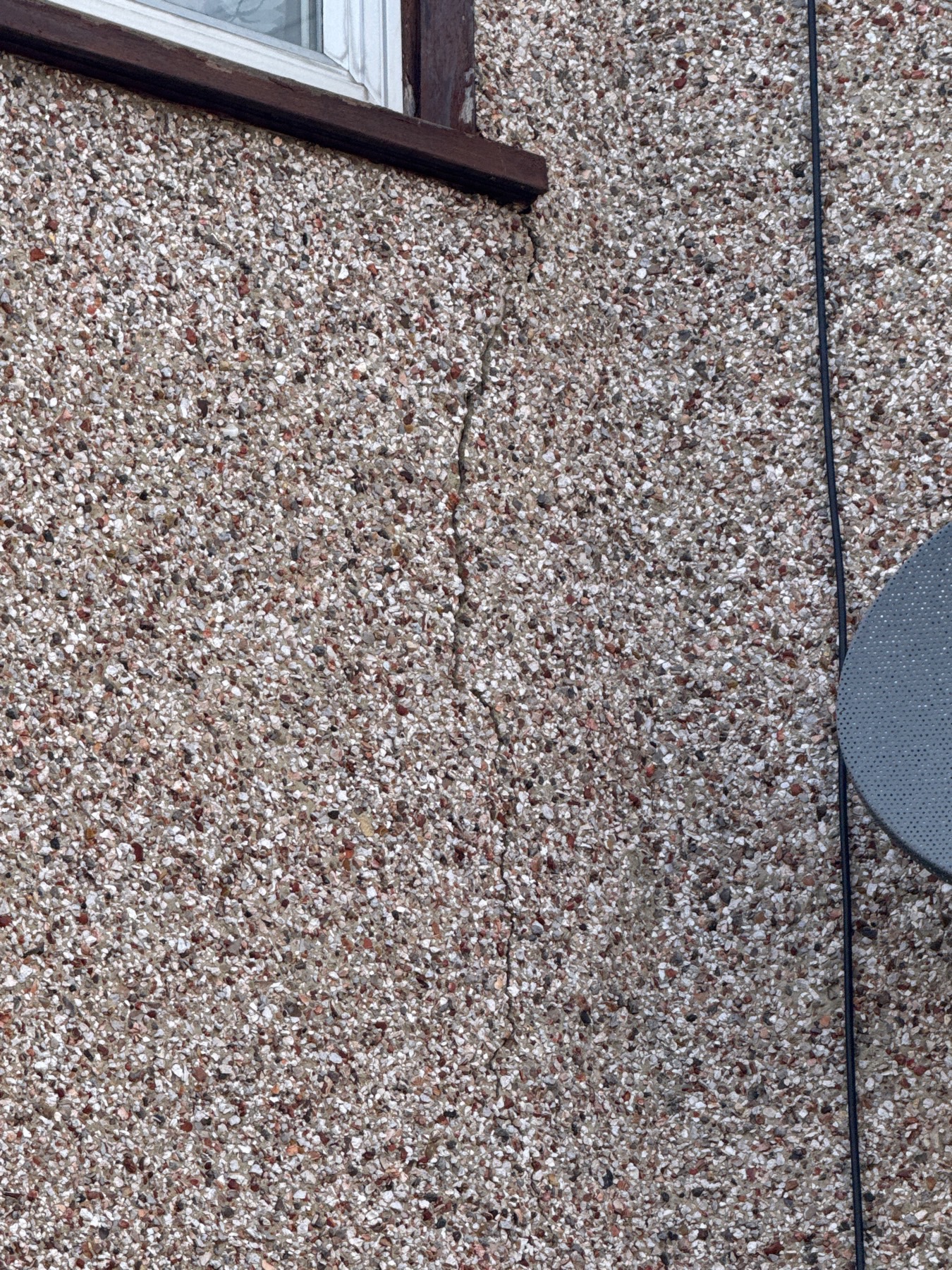
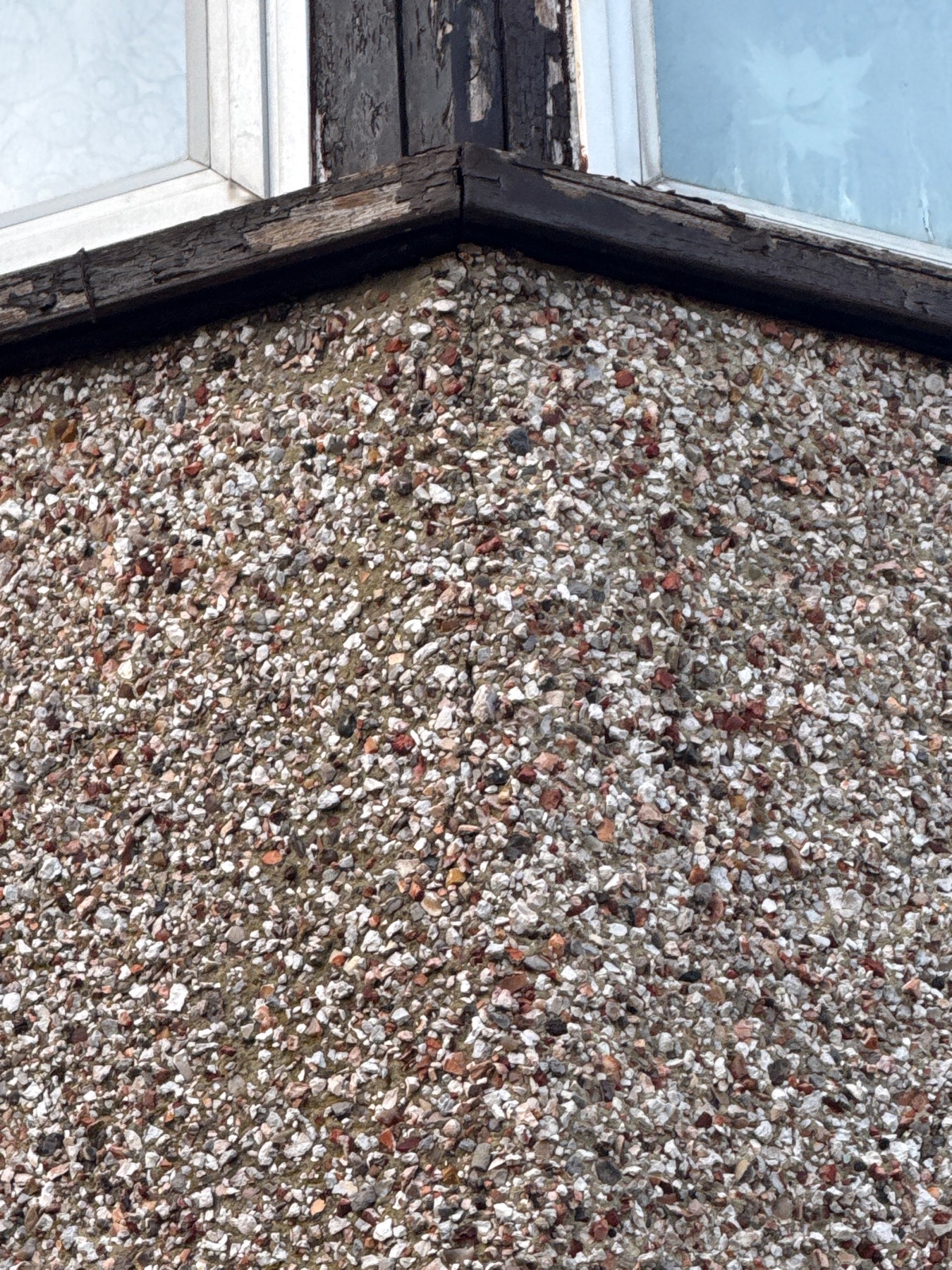
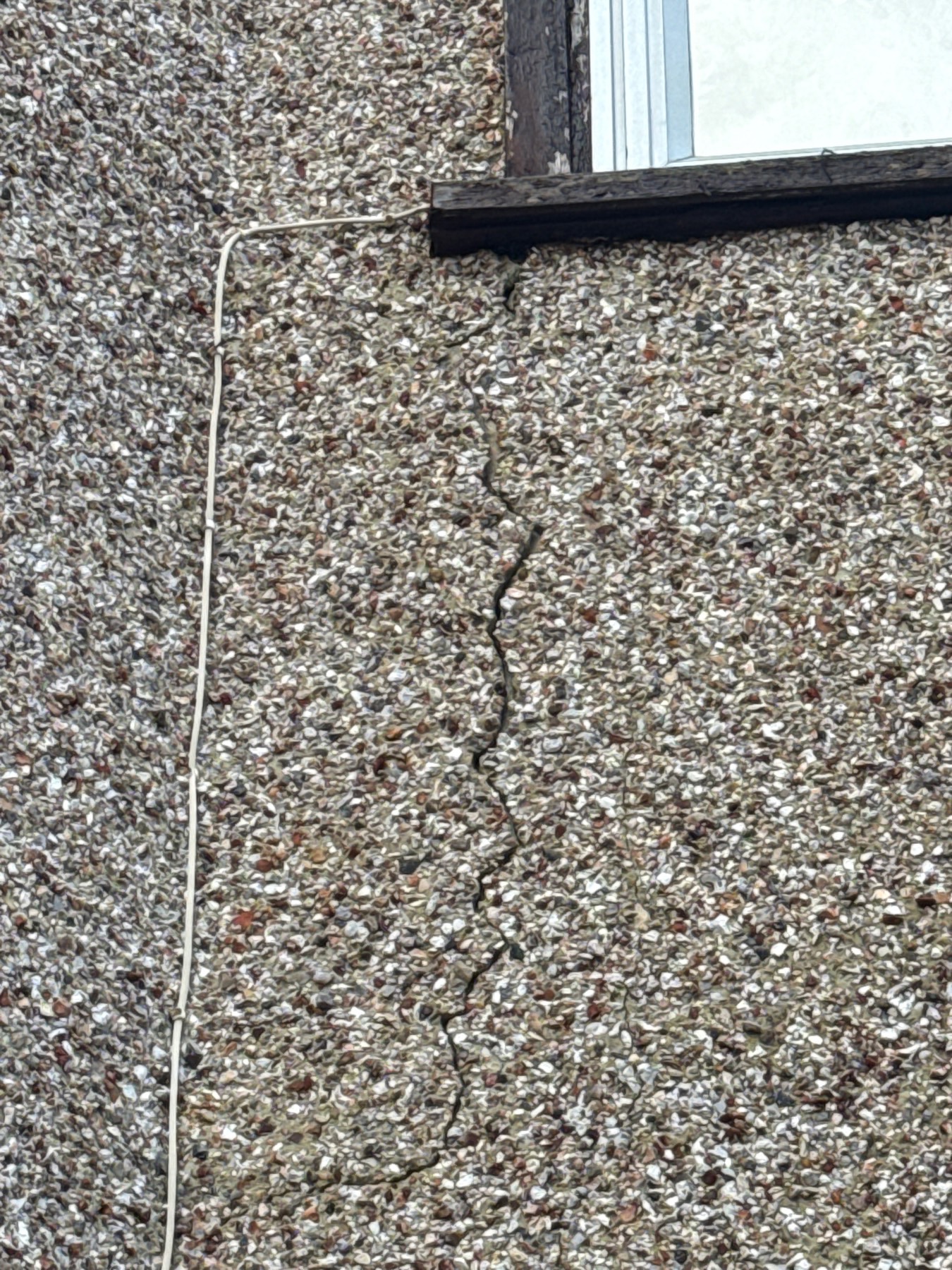

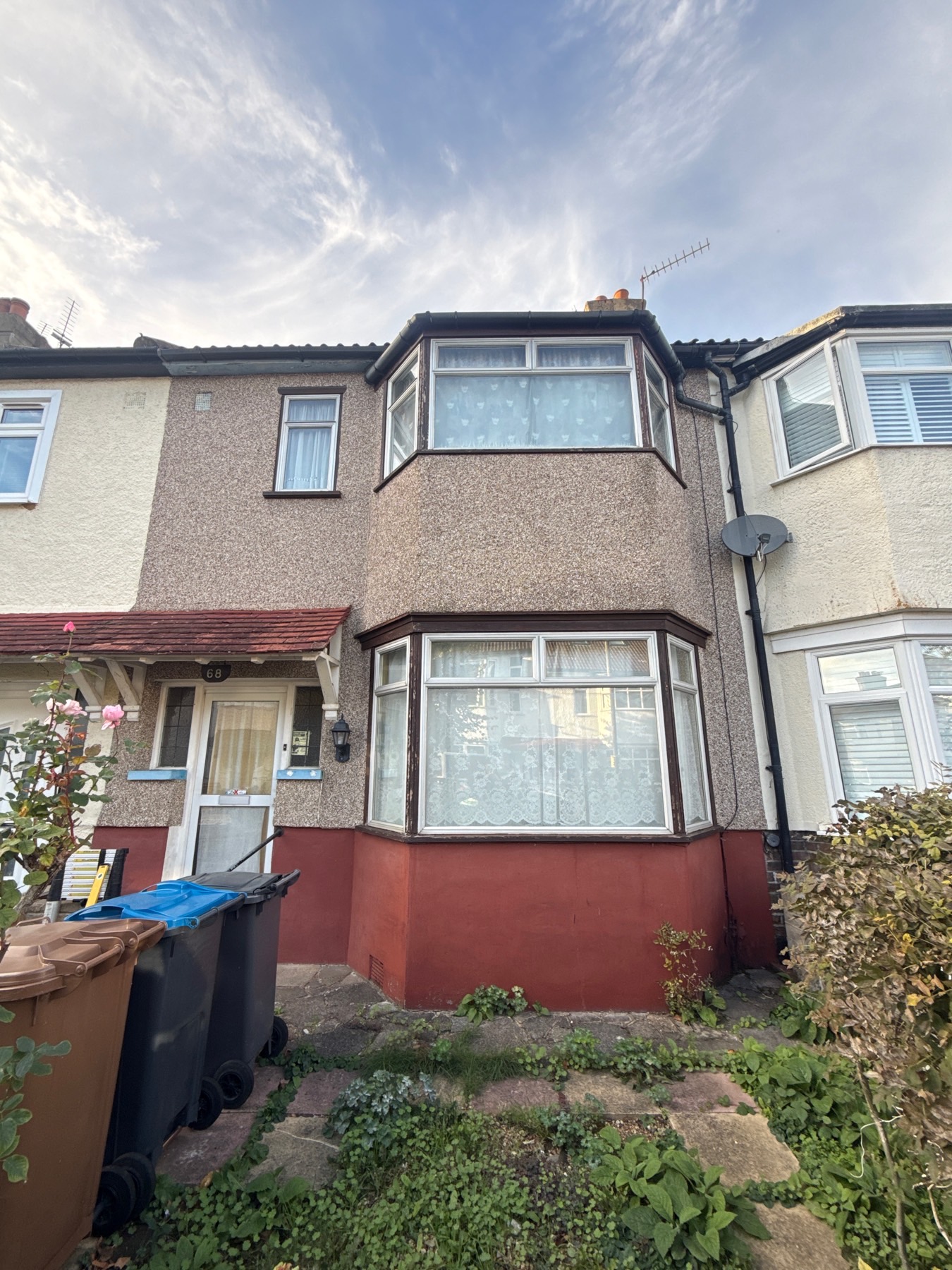
 0
-
I have added higher quality pictures. Let me know if you are able to see those better.
The windows are still of timber frames as they havent been replaced.
If I end up purchasing this property, i will replace the windows potentionally with upvc windows or refurbish the current windows. Any advise here would also appreciated on how to cost effectively update the bay windows.
I have already managed to negotiate the price down from £490k to £470k, it is a house in South West london that requires full renovation.
0









Categories
- All Categories
- 356K Banking & Borrowing
- 255K Reduce Debt & Boost Income
- 456.3K Spending & Discounts
- 248.5K Work, Benefits & Business
- 606.3K Mortgages, Homes & Bills
- 179.1K Life & Family
- 264.1K Travel & Transport
- 1.5M Hobbies & Leisure
- 16.2K Discuss & Feedback
- 37.7K Read-Only Boards