We’d like to remind Forumites to please avoid political debate on the Forum.
This is to keep it a safe and useful space for MoneySaving discussions. Threads that are – or become – political in nature may be removed in line with the Forum’s rules. Thank you for your understanding.
📨 Have you signed up to the Forum's new Email Digest yet? Get a selection of trending threads sent straight to your inbox daily, weekly or monthly!
Mortar brick gap





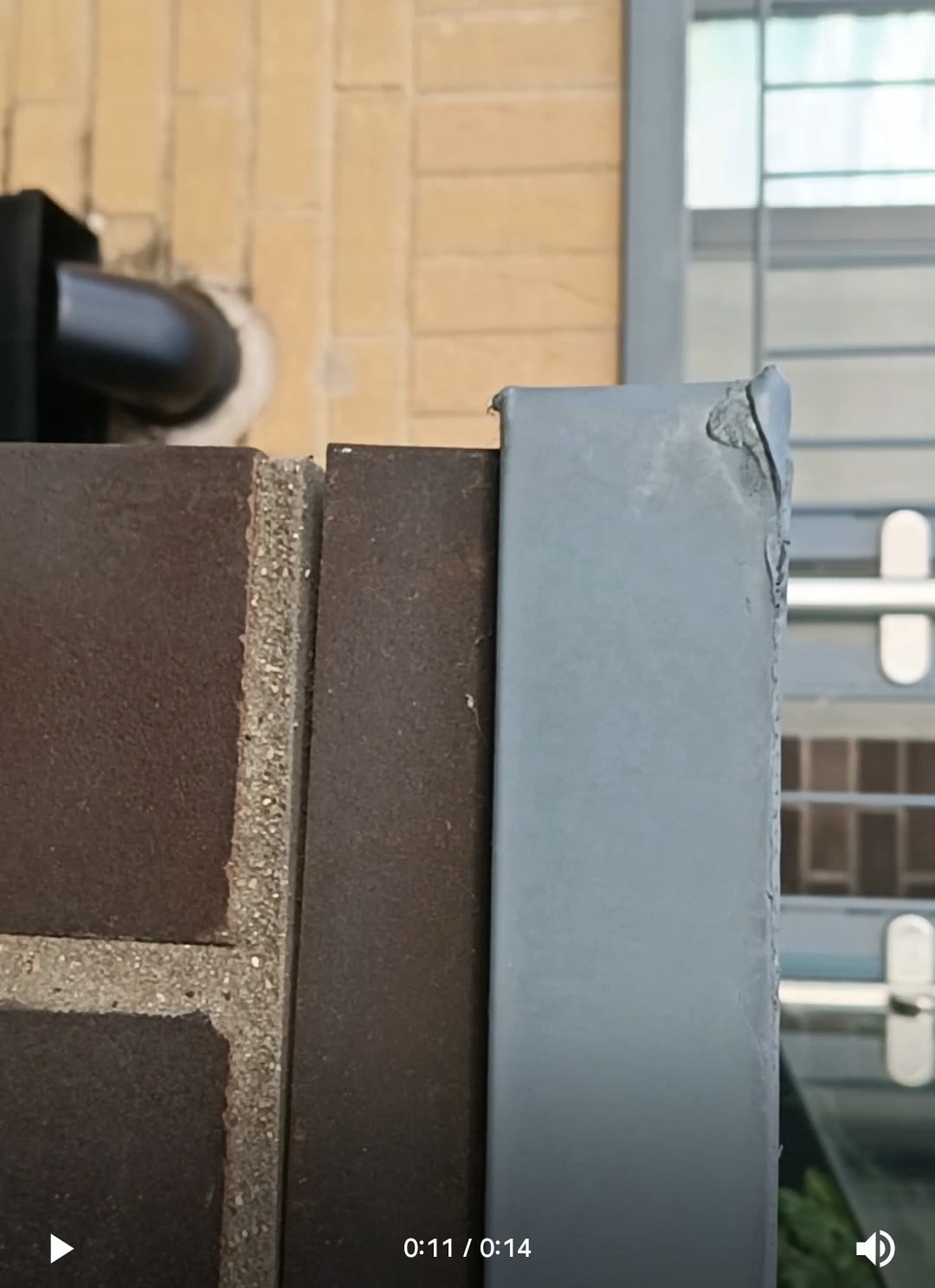
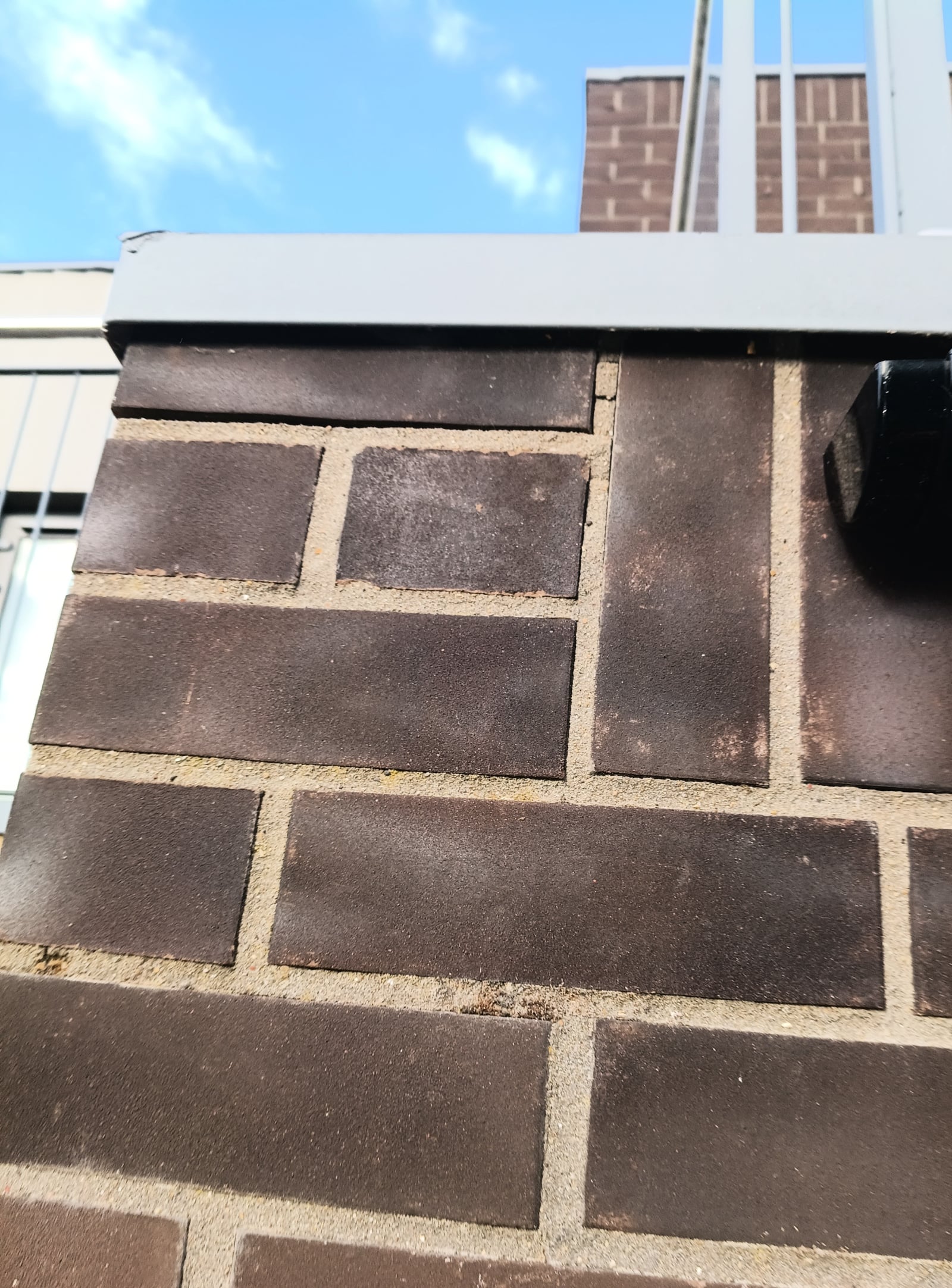
Hello I'm not sure how common this is but I have a flat room on top of a wall that is connected to a balcony and the top brick right in the corner seems to have separated from the mortar joint very cleanly I'm assuming as the wall looks sound everywhere else that it's some kind of thermal separation over the nine years since the building was built.
Totally removing the brick and refixing isn't really an option as I can't remove the pvc that's drilled into it.
I was thinking of getting some kind of sealant to fill the gap to stop water penetration or mortaring as far into the gap and tooling the outside.
Comments
-
You can try some mortar repair/pointing compound in silicone-like cartridge, e.g.
However, with right tools removing big part of the existing mortar and re-pointing the gap with new proper mortar is an easy job if you have an angle grinder or an SDS drill:

You can do this even with a masonry drill bit, it'll just take more time.
0 -
I would be very wary of using a mortar rake with an angle grinder. All too easy to slip and cut in to a brick (or uPVC trim) especially when doing the vertical joints. Going in with an SDS drill & chisel is likely to dislodge the brick completely…
On balance, a mortar rake & angle grinder used carefully, would breeze through the horizontal mortar bed. The vertical joint looks to be crumbling, so a hand tool could well be enough to dig it out. I'd also recommend wearing a decent dust mask and full face shield when using power tools. With hand tools, wear a pair of goggles - Bits of mortar in the eye can be very painful at best, at worst, you could do permanent damage.
Any language construct that forces such insanity in this case should be abandoned without regrets. –
Erik Aronesty, 2014
Treasure the moments that you have. Savour them for as long as you can for they will never come back again.0 -
There is a way of relaying that brick, but it's probably a bit tricky for DIY.
You carefully remove a few soldiers, then you can get the brick out and then back in. Soldiers can be relayed under a soffit, it's a method sometimes used.
0 -
The brick itself doesn't seem to have any movement to it so I'm assuming it's being held in place by the roofing above and still connected further in at the back.
I don't think I have the know how to remove mortar/ Brick so is there an easier option to just water resist and secure the brick slightly?
The house is 9 years old so I'm assuming this happened in the first few years and I never noticed until now. I've had no problems.
0 -
You could just pump some clear mastic in.
0 -
This was my first thought as that would allow for thermal expansion,? I thought with using mortar it would just crack again?
0






Confirm your email address to Create Threads and Reply

Categories
- All Categories
- 355.8K Banking & Borrowing
- 254.9K Reduce Debt & Boost Income
- 456.2K Spending & Discounts
- 248.3K Work, Benefits & Business
- 605.9K Mortgages, Homes & Bills
- 179K Life & Family
- 263.7K Travel & Transport
- 1.5M Hobbies & Leisure
- 16.2K Discuss & Feedback
- 37.7K Read-Only Boards