We’d like to remind Forumites to please avoid political debate on the Forum.
This is to keep it a safe and useful space for MoneySaving discussions. Threads that are – or become – political in nature may be removed in line with the Forum’s rules. Thank you for your understanding.
📨 Have you signed up to the Forum's new Email Digest yet? Get a selection of trending threads sent straight to your inbox daily, weekly or monthly!
How good are aluminium radiators vs steel ones?




Hi,
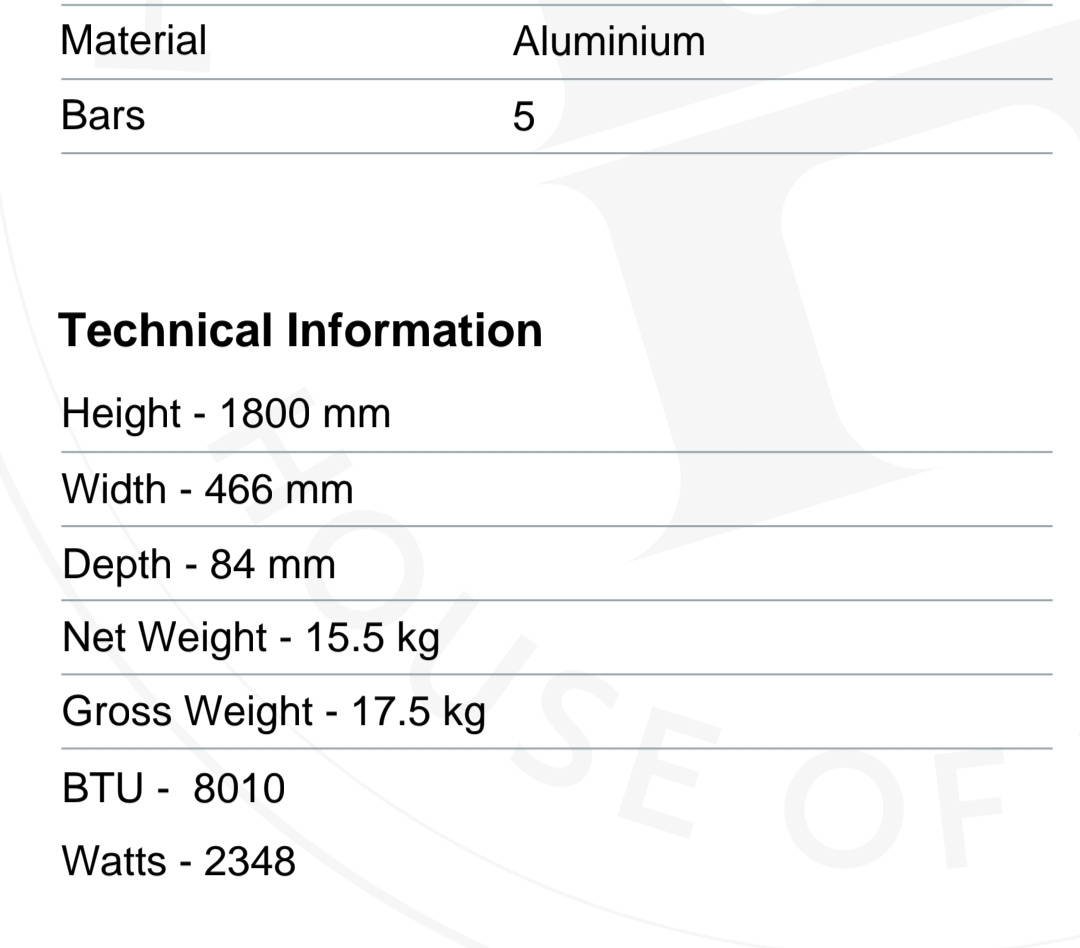
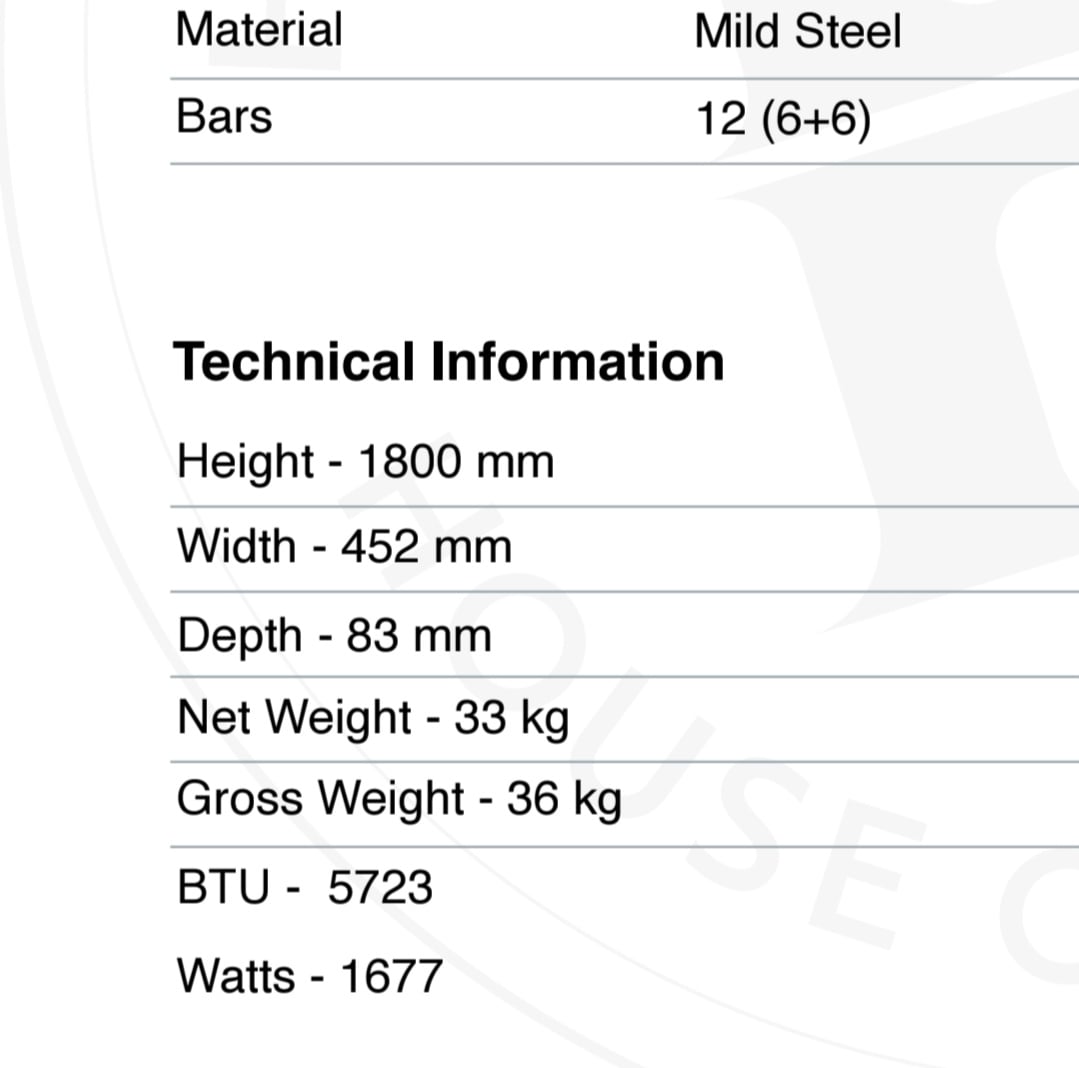
We’re replacing our living room radiator with a vertical one and our plumber has sent a few options.
One is a steel radiator (~5700 BTU) and another is aluminium (~8000 BTU). Our room only needs around 5600–5700 BTU, so both would technically be enough.
The rest of the radiators in the house are original steel ones (house built in 1996, standard boiler setup).
We quite like the look of the aluminium one and the price is pretty similar, but I’m wondering if there are any real benefits beyond aesthetics.
I’ve read that aluminium heats up faster but also cools down quicker, so wondering how efficient they actually are.
Is aluminium actually better, or does it not really matter as long as the BTU output is right?
Also, is it okay to mix aluminium and steel radiators in the same system?
I’ve seen a few mentions of potential corrosion issues when mixing metals, but the plumber said that using an inhibitor prevents this issue.
Comments
-
I'm surprised they are similar prices - I'd have expected the Ali one to cost significantly more.
Any difference in how they work or output? AfaIk, no - the heat given out will be from the hot water inside, and their relative conduction levels through such a thin skin should not vary by anything significant. I 'read' that Ali is more heat-conductive, and some reports say it's therefore 'much faster' at heating rooms, but I have to say I find that doubtful. Would you actually notice the difference? I doubt it, but I'm happy to be corrected.
But, Ali is obviously much lighter, is corrosion-resistant, and you like its aesthetics more. Sounds a complete no-brainer to me.
0 -
Aluminium is a better conductor, so it does heat up quicker because it absorbs heat from the working fluid faster, it also cools down quicker because that heat escapes into the room faster (the point of a radiator).
Aluminium does not rust, but in general aluminium radiators tend to cost more, aluminium is somewhat less physically durable, e.g. it will mark/dent easier than steel. If you have found one at a similar price you like the go for it. The only thing to look out for is that an aluminium radiator should not be connected to steel or copper pipes or a galvanic reaction will occur and consume the aluminium, an aluminium radiator must be connected using plastic fittings and absolutely not to a copper or steel pipe and fittings.
3 -
In general I'd agree - you will get no difference at all in terms of efficiency. The higher thermal conductivity of aluminium might appear to be significant, but the transient performance is pretty much irrelevant. It's the steady-state behaviour that's going to dominate, and either material should be pretty much the same.
For me, the deciding factor would be durability. Aluminium alloys are relatively weak. If you knock an aluminium rad with something heavy it's pretty much certain that it will dent. A steel rad will not unless you hit it very hard indeed.
2 -
an aluminium radiator must be connected using plastic fittings and absolutely not to a copper or steel pipe and fittings.Does that mean the whole heating system has to be plastic pipes, or just the pipes immediately connected to the Aluminium radiator?
1 -
and some reports say it's therefore 'much faster' at heating rooms, but I have to say I find that doubtful
The rate at which a room heats up is dependent on the difference in temperature of the room and the Mean Water Temperature (for the same size radiator). If you fit a bigger radiator, the room will heat up faster with the same MWT.
Personally, I would go for the 8000BTU rad (or bigger) and consider fitting larger radiators in the rest of the house. This would allow you to run at a lower flow temperature and get a higher efficiency out of your boiler (assuming it is a condensing model). But the limiting factor is the size of the pipework across the whole house.
For the record - I replumbed my heating system a couple of years ago and fitted radiators 30-50% larger than the online calculators said I needed. After tweaking thermostat parameters this winter, I've been achieving 92-94% efficiency on an almost daily basis with a 50-55°C flow temperature and no loss of comfort.
Any language construct that forces such insanity in this case should be abandoned without regrets. –
Erik Aronesty, 2014
Treasure the moments that you have. Savour them for as long as you can for they will never come back again.3 -
This trade supplier disagrees about using aluminium rads on a copper pipe system. They say it’s fine with the correct inhibitor.
https://www.traderadiators.com/blog/advantages-and-disadvantages-of-aluminium-radiators#:~:text=Potential%20for%20corrosion,installed%20with%20proper%20compatibility%20checks.
1 -
That makes sense.
AfaIk, and it's seemingly the case with using, say, SS bolts on aluminium fixings on a boat, it only becomes an issue once an 'electrolyte' is added, like seawater.
In domestic plumbing, the addition of chemical inhibitor should prevent any issues. And there is no oxygen available to boot.
0 -
To me it seems impossible to avoid using different metals in a system where, for example, the boiler, pump, valves would contain brass. You have lead solder, copper pipes and maybe some stainless steel thrown in for good measure. Even a plastic piped system would have quite a bit of brass in it.
1 -
Sorry for the confusion, not in direct contact, but they can be in the same system.
0





Confirm your email address to Create Threads and Reply

Categories
- All Categories
- 355.8K Banking & Borrowing
- 254.9K Reduce Debt & Boost Income
- 456.2K Spending & Discounts
- 248.3K Work, Benefits & Business
- 606K Mortgages, Homes & Bills
- 179K Life & Family
- 263.8K Travel & Transport
- 1.5M Hobbies & Leisure
- 16.2K Discuss & Feedback
- 37.7K Read-Only Boards