We’d like to remind Forumites to please avoid political debate on the Forum.
This is to keep it a safe and useful space for MoneySaving discussions. Threads that are – or become – political in nature may be removed in line with the Forum’s rules. Thank you for your understanding.
Am I being an awkward customer here? Hairline cracks keep coming back after bathroom plastering



Hi all, looking for a bit of a sanity check.
I’ve just had a new bathroom fitted in an old house (150+ years). The original quote by the bathroom fitter included all walls to be plasterboarded, but I was away during the work and it turns out the existing plaster wasn’t taken back to brick or boarded — it was just skimmed over.
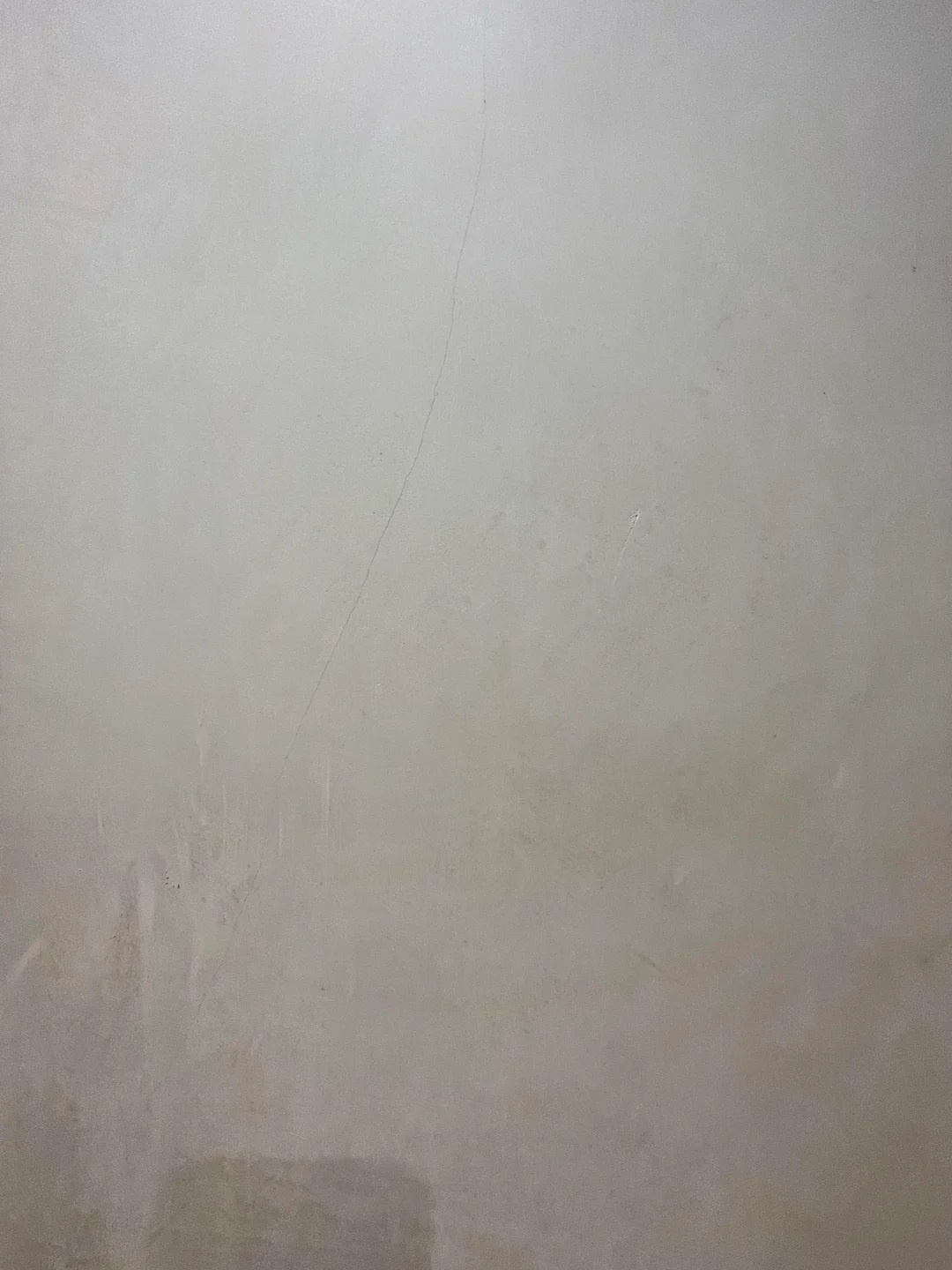
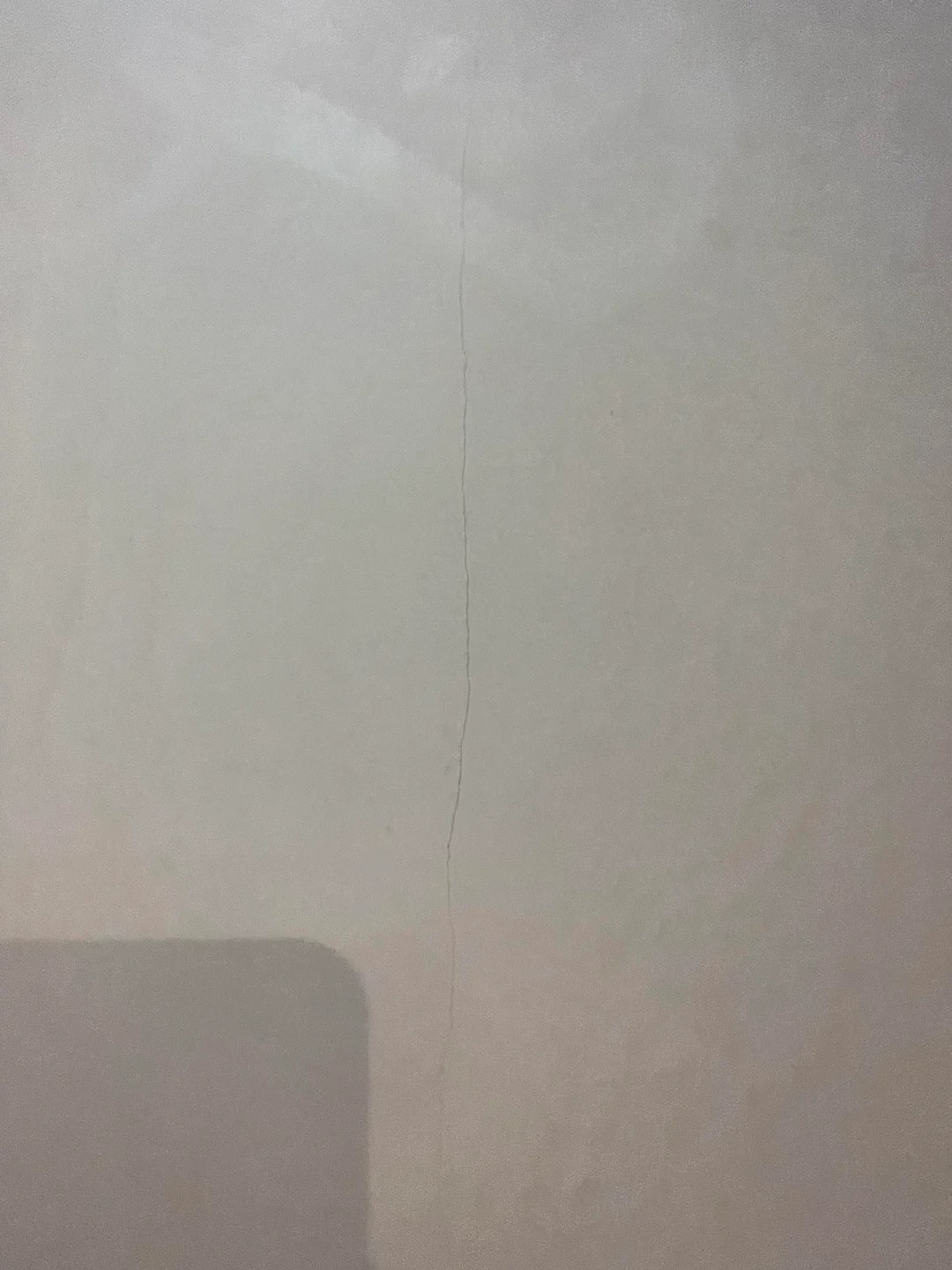
After the first skim, I got fine hairline cracks radiating from a single point (kind of Y/star shaped)on one wall and on another there was hairline cracks of the outline of the old boards behind the skim. Bathroom fitter said it wasn’t anything to worry about and paid for the plasterer to come back and reskim.
I watched the second time — the plasterer taped over the cracks and PVA’d the walls before skimming. Looked fine initially, but the exact same hairline cracks have now come back again in the same places (less than 2 weeks later).
Worth noting:
•Cracks almost disappear when the heating is on or after a hot shower
•They’re hairline only, not wide or stepped
•Bathroom is now fully tiled/plumbed/fitted so boarding the walls properly isn’t really an option anymore
•Bathroom fitter paid a plasterer to do the skim separate to the bathroom (but fitter was supposed to do the re boarding).
I don’t want to seem like I’m being picky for raising it again, but equally this feels like something that wouldn’t have happened if the walls had actually been boarded as quoted and of course i paid a lot of money for the new bathroom.
Am I being an awkward customer here, or is it reasonable to expect a fix that actually stops the cracks coming back, rather than just another skim? If not, what are my options?
Genuinely not trying to be difficult — just don’t want to keep chasing the same issue every few months.
Have attached a photos, apologies for bad lighting.
Comments
-
No, you are not being awkward or insane. 🙂
There would appear to be significant movement in the 'bonding' layer under the skim(s), which is probably no great surprise in a property of that age, although chances are it has been replastered at some point since it was built (or else the bonding would likely be crumbling and falling off…)
It must be fairly significant movement, since the plasterer has added scrim and another skim - usually enough - but the cracks are still coming through. (Is this in the exact same place, or adjacent to the old?)
Why oh why did the plasterer not board the walls? I guess he thought he'd get away with just a skim, and fair chance he would, but he didn't. So, this is on him.
That's the easy bit. For the solution, I don't know where to begin. Would any tiling need to be destroyed to redo these walls, or is it 'simply' a case of removing the pottery and units?
And do you have Legal Protection included in your house insurance?
0 -
Thanks for the reassurance!
I thought as much, I just don't want to come accross as "that customer".
I think the old bathroom was done in the 90s but there was tiles on every wall surface so to scrape it back (not to brick) and not reboard has saved him some time and money.
Yeah exactly the same place, the cracks are the same shape and size too.
The walls in question are half tiled so I assume so.
Unsure about legal protection - so probably not. He is however registered with Trading Standards if that's worth anything and so far has been pretty good at trying to get it resolved - but sounds like it's going to be an even bigger job than we thought?
1 -
Your best chance of a simple fix is to bed paper tape over the cracks with Knauf fill and finish, and 3 coats of it over the tape. I've used this method on cracks in old houses successfully quite a few times. Paper tape flexes less than scrim.
1 -
Oh okay, thanks. When you say paper tape do you mean bog standard masking tape? And then 3 coats of Knauf fill?
Sorry not a tradesperson.
This has stopped it coming back even months/ years later?
0 -
It's a special tape designed for tape and fill. Knauf fill and finish is a high quality joint filler.
Years later it's still good. Obviously, depends on high much movement there is in the wall.
2 -
Here's a link to a recent thread with a few photos of the tape and fill method.
0 -
Why oh why did the plasterer not board the walls? I guess he thought he'd get away with just a skim, and fair chance he would, but he didn't. So, this is on him.
Old houses move around more than modern ones, one of the joys of owning an older home is getting used to living with some cracking, and it is often better to do that rather than employ modern techniques in the hopes you'll hide them up.
There's no guarantee that boarding the walls would be a permanent fix… if the walls are moving then unless the solution is designed to accommodate that movement then odds are the cracks will eventually work their way through the plasterboard.
0 -
thanks mate
0 -
hm but one of them was a stud wall, surely they don't move (as much as the old brick walls)?
0 -
There are cracks on a stud wall? Are they 'straight' at board joints, or random like the others?
0





Confirm your email address to Create Threads and Reply

Categories
- All Categories
- 355.7K Banking & Borrowing
- 254.9K Reduce Debt & Boost Income
- 456.1K Spending & Discounts
- 248.3K Work, Benefits & Business
- 605.8K Mortgages, Homes & Bills
- 179K Life & Family
- 263.6K Travel & Transport
- 1.5M Hobbies & Leisure
- 16.2K Discuss & Feedback
- 37.7K Read-Only Boards