We’d like to remind Forumites to please avoid political debate on the Forum.
This is to keep it a safe and useful space for MoneySaving discussions. Threads that are – or become – political in nature may be removed in line with the Forum’s rules. Thank you for your understanding.
Conflicting advice - damp in an Edwardian house




Moved into a 3 bed detached Edwardian house, end of January.
The picture attached to this post shows that damp started coming up the wall from the Victorian floor in February whenever it rained. It has now spread to the adjacent living room. I had a L3 survey, no issues were picked up, when I bought the house. They did mention the floor but said it was a minor issue and the floor might need replacing at some point.
Had a number of builders round. They all said the issue was the Victorian floor, that it needed to come up and needed replacing with DPM and concrete. I booked this in for October.
In the meantime, I pulled back the lino in the kitchen and the suspended wooden floor is rotten and VERY mouldy.
I had also started reading that replacing the original Victorian floor with concrete was a bad idea, so I decided to use an independent damp expert (Damp Detectives). They were brilliant and found the following:
Attacked the house with green dye, and found it was getting in from the front under the house, which could be seen when pulling up the floorboards, and the back (which is where the kitchen is). Also found the drainage was more likely than not defective. He recommended that the external hardstanding be excavated around the perimeter walls, so that the gaps in the wall can be found and addressed, and the drainage system can be inspected and repaired. Said the Victorian floor was fine to leave and as long as it was allowed to breathe (it had been covered up with lino until a year or two ago) it was fine to leave as is.
I've since had some more builders round so they can tell me about the work that needs doing re: the external hardstanding. Instead they have told me, don't do that, replace the hallway floor with a DPM instead, but to investigate the drainage, that the external wall seems fine, has the relevant blue bricks, is in good condition considering the age of the house etc. And its apparently normal to get some water under the house when it rains, and that if I had concrete floors/DPM I wouldnt notice it and everything would be fine.
I'm starting to get a bit frustrated from going round in circles. I have no idea what to do. Do I go for:
A) The concrete floor
 Try and find other builders who will actually do what the damp expert recommended.
C) Investigate the drainage regardless?
Any help anyone could give me would be much appreciated.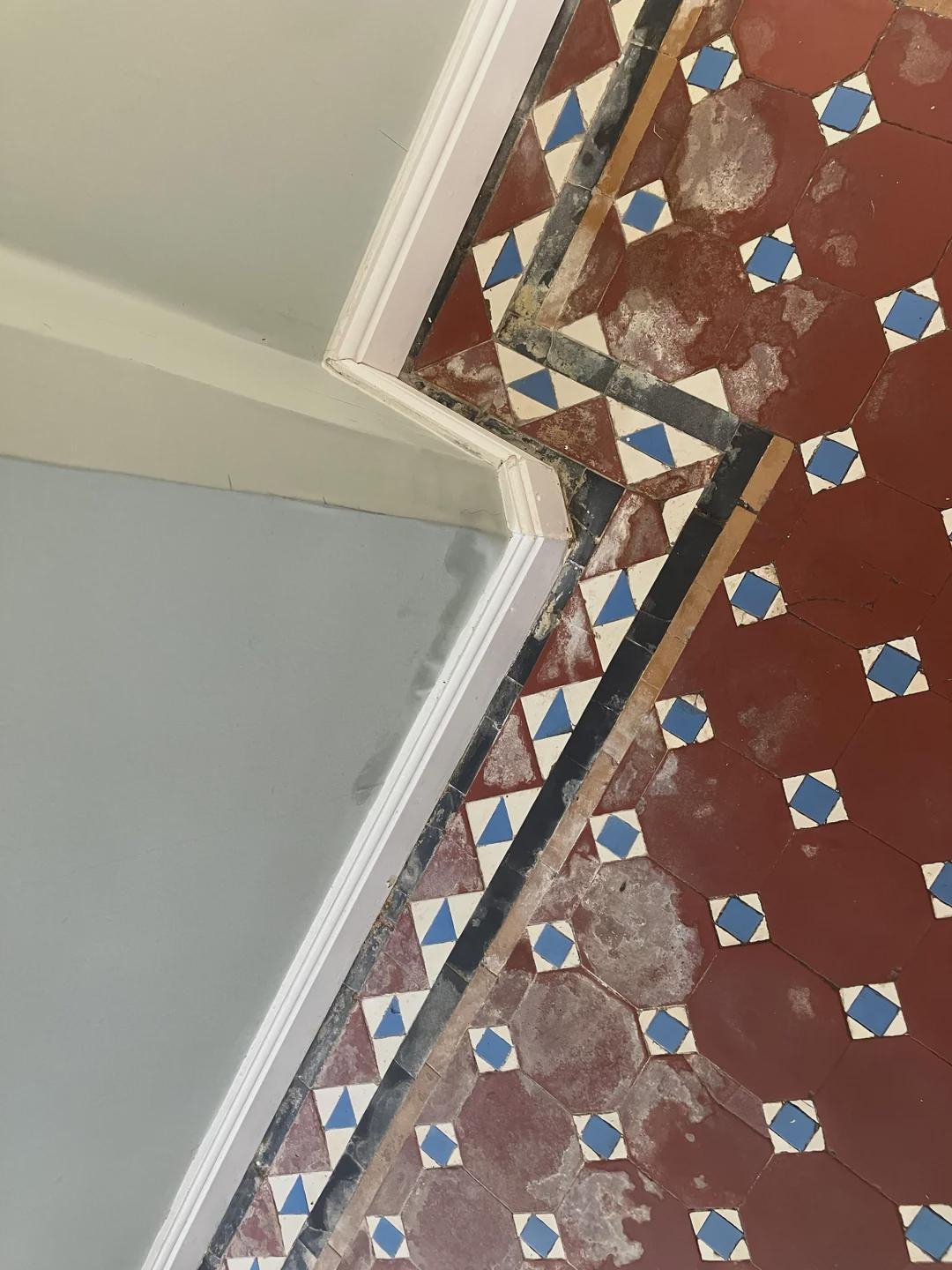
Comments
-
If replacing the floor I'd consider more expensive suspended beam&block with good insulation.
With regard to the suspended wooden floor that apparently needs breathing, does it not have underfloor ventillation?0 -
I suggested suspended wood but they said apparently wood is expensive and no good, and concrete is apparently the way forward. The living room floor has ventilation, I assume the kitchen does but as its riddled with mould I haven't inspected it too closely.grumpy_codger said:If replacing the floor I'd consider more expensive suspended beam&block with good insulation.
With regard to the suspended wooden floor that apparently needs breathing, does it not have underfloor ventillation?0 -
That floor is something I would consider a asset, makes more sense to me for follow the recommendation's to put right the hardstanding, drainage and any problems with airbricks and ventilation.grumpy_codger said:If replacing the floor I'd consider more expensive suspended beam&block with good insulation.
With regard to the suspended wooden floor that apparently needs breathing, does it not have underfloor ventillation?
OP; Has anyone checked the gutters are clear and in good working order?Play with the expectation of winning not the fear of failure. S.Clarke1 -
I imagine you may get more relevant advice posting on a period property forum, as they will be people experienced with older houses and how you need to treat them. Treating an old house like a modern house always causes issues.0
-
Plenty of posters on here who have lived in, worked on and paid off period properties, so plenty of scope for tailored and relevant advice.Myci85 said:I imagine you may get more relevant advice posting on a period property forum, as they will be people experienced with older houses and how you need to treat them. Treating an old house like a modern house always causes issues.Play with the expectation of winning not the fear of failure. S.Clarke1 -
Must admit I’d be a bit twitchy about putting a concrete floor with DPM into a house that wasn’t built with that in mind. Especially if it meant digging up that beautiful tiled floor 😳Myci85 said:I imagine you may get more relevant advice posting on a period property forum, as they will be people experienced with older houses and how you need to treat them. Treating an old house like a modern house always causes issues.
There is a period property forum out there which I’ve checked before for advice about lime mortar, etc.
Have you considered builders who specialise in restoration? They would be more likely to understand what’s required for a property like yours. A quick google found four in my local area so you should be able to find some.
0 -
Get a camera survey of the drainsA thankyou is payment enough .2
-
I lived in an Edwardian house for 60yrs and there were occasional problems where damp was caused by simple means.
If it had been left then it would have caused more serious worries like yours.
But the good thing is they are usually more easy to remedy than new builds.
First, do you know where all the air vents are?
Are they clear of shrubs and soil?
Have you got any leaks in gutters or downpipes?
Are any soak aways?
Is the house rendered?
I'm not sure how feesible it is in winter but could you remove a foot or less of soil or gravel from the exterior walls? See what vents or state of the brick work. I did this with my new place where the bricks were constantly damp. The mortar was wet and failing. Let it dry
How long has it been that you have noticed this? Was it occurring during the long hot summer?
I agree that checking the drains with a camera before anyone digs the floor out would be a good idea.
They are lovely tiles.I can rise and shine - just not at the same time!
viral kindness .....kindness is contageous pass it on
The only normal people you know are the ones you don’t know very well
1







Confirm your email address to Create Threads and Reply

Categories
- All Categories
- 354.5K Banking & Borrowing
- 254.4K Reduce Debt & Boost Income
- 455.4K Spending & Discounts
- 247.4K Work, Benefits & Business
- 604.2K Mortgages, Homes & Bills
- 178.5K Life & Family
- 261.7K Travel & Transport
- 1.5M Hobbies & Leisure
- 16.1K Discuss & Feedback
- 37.7K Read-Only Boards