We’d like to remind Forumites to please avoid political debate on the Forum.
This is to keep it a safe and useful space for MoneySaving discussions. Threads that are – or become – political in nature may be removed in line with the Forum’s rules. Thank you for your understanding.
📨 Have you signed up to the Forum's new Email Digest yet? Get a selection of trending threads sent straight to your inbox daily, weekly or monthly!
Damp patches on carpet underlay

Nubley
Posts: 32


 Forumite
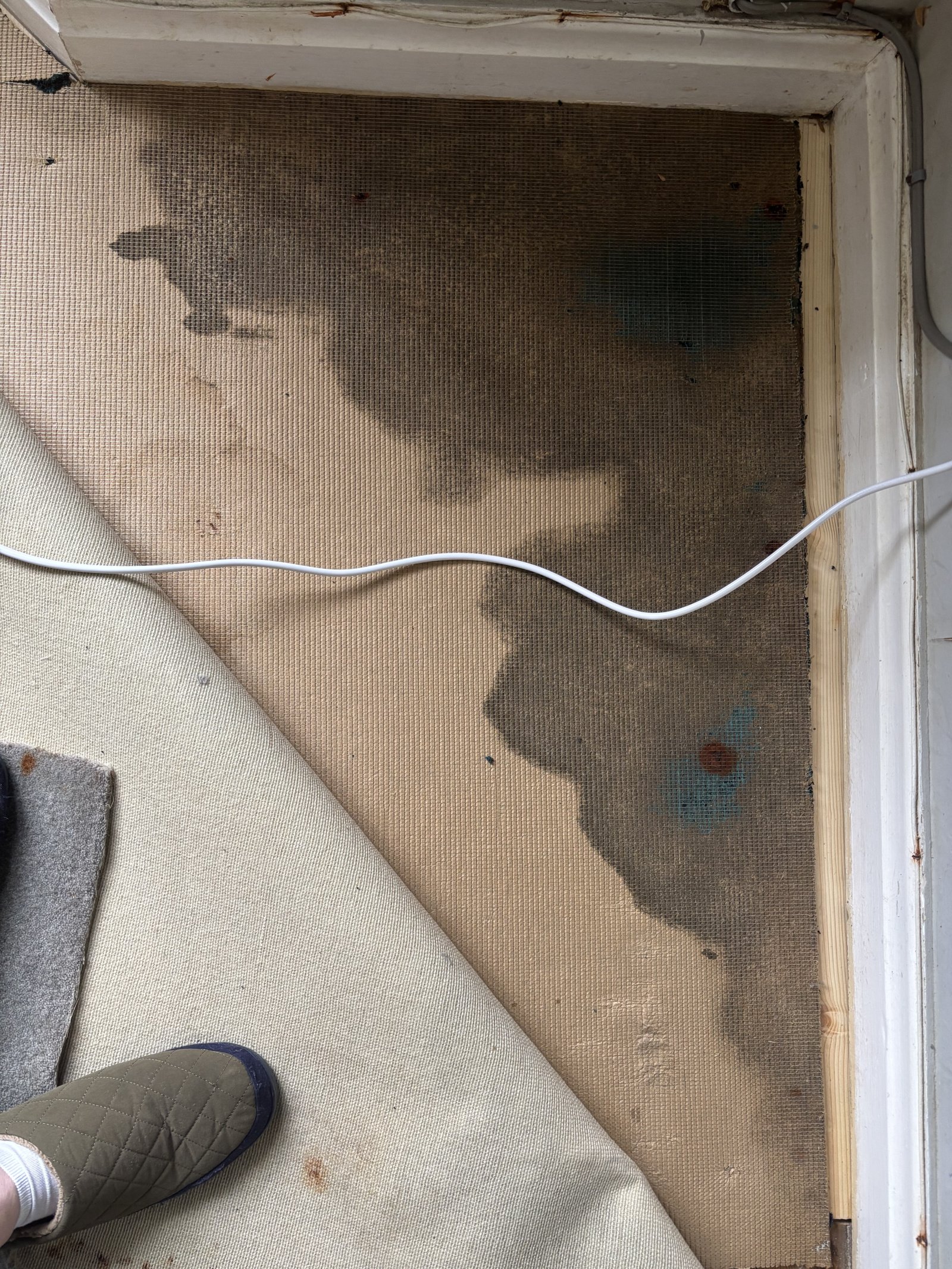
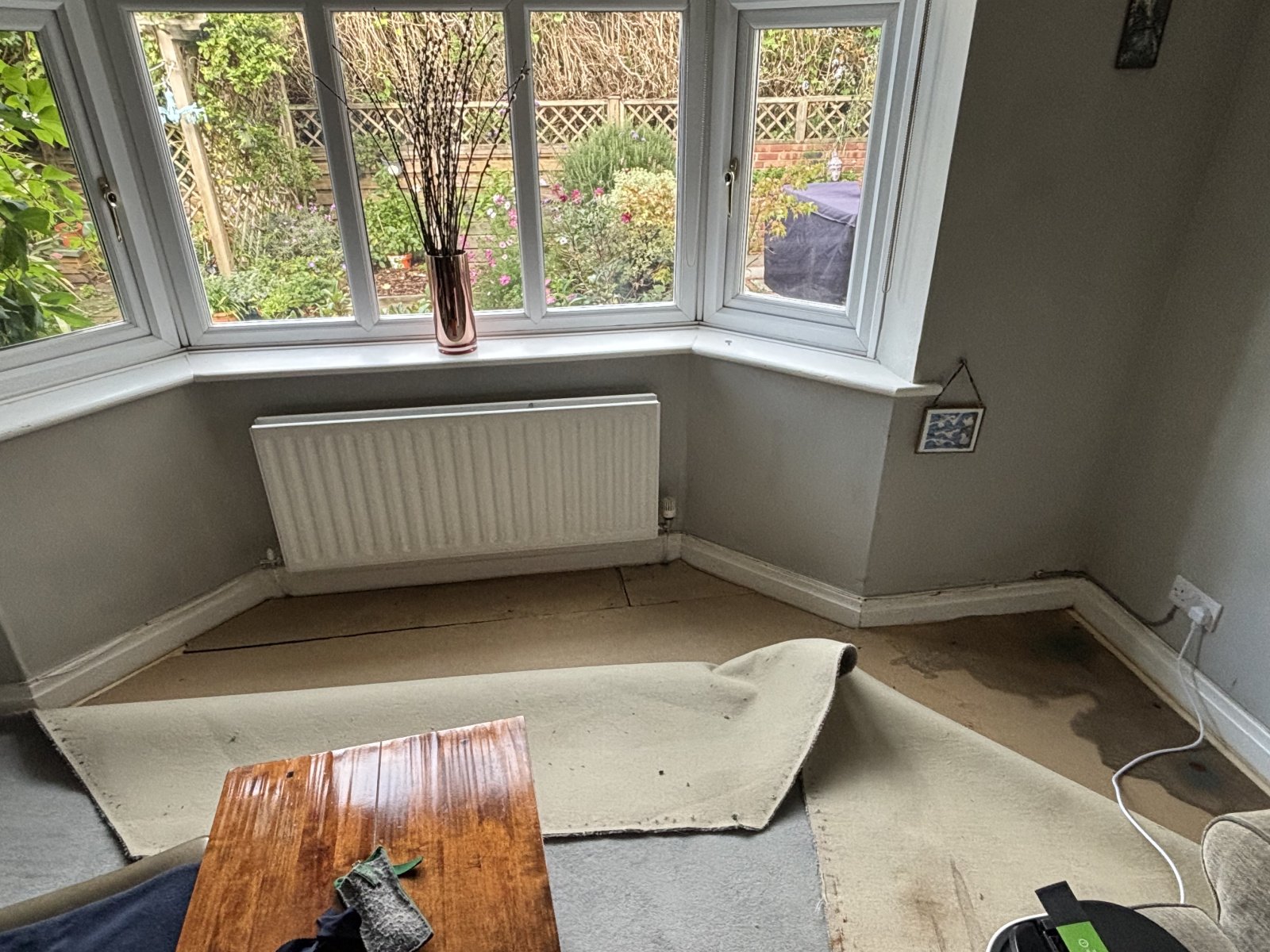
A while ago I noticed the carpet was damp around our bay window. When I peeled it back, I found significant damp patches on the underlay.
The floorboards were also sagging and creaking, so I called in a reputable dampcare company, which said it was all down to inadequate ventilation.
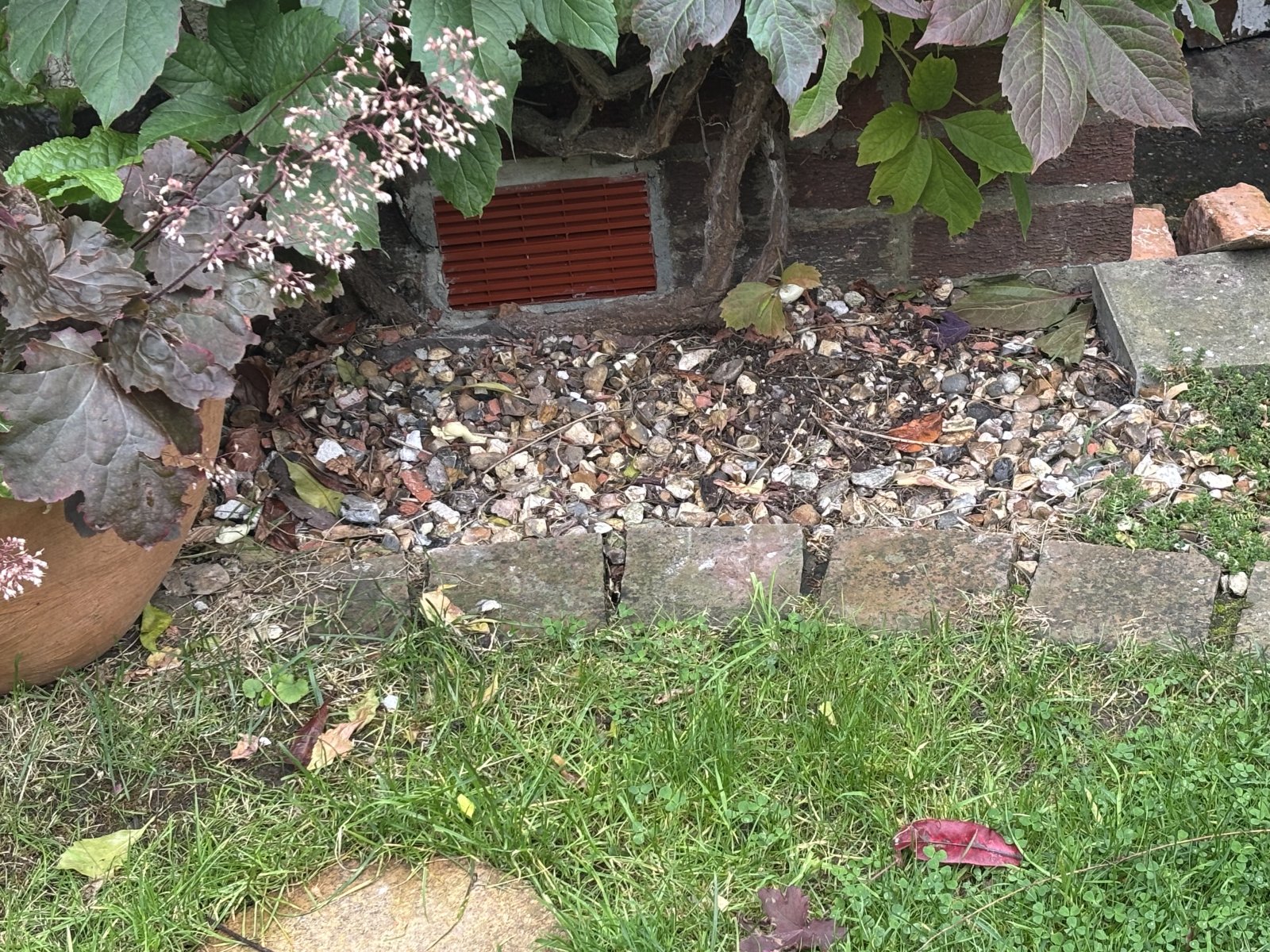
When they pulled the floorboards up, wet rot was discovered in the joists. These were replaced, new floorboards were put in and they installed four air vents in the brickwork under the floor level.
Now a couple of weeks later, I have discovered the edges of the carpet are damp again and the wet patches have returned on the underlay.
I am obviously going to back to the company which carried out the work, but would be grateful for any informed opinions about why the damp is still there in order to forearm myself.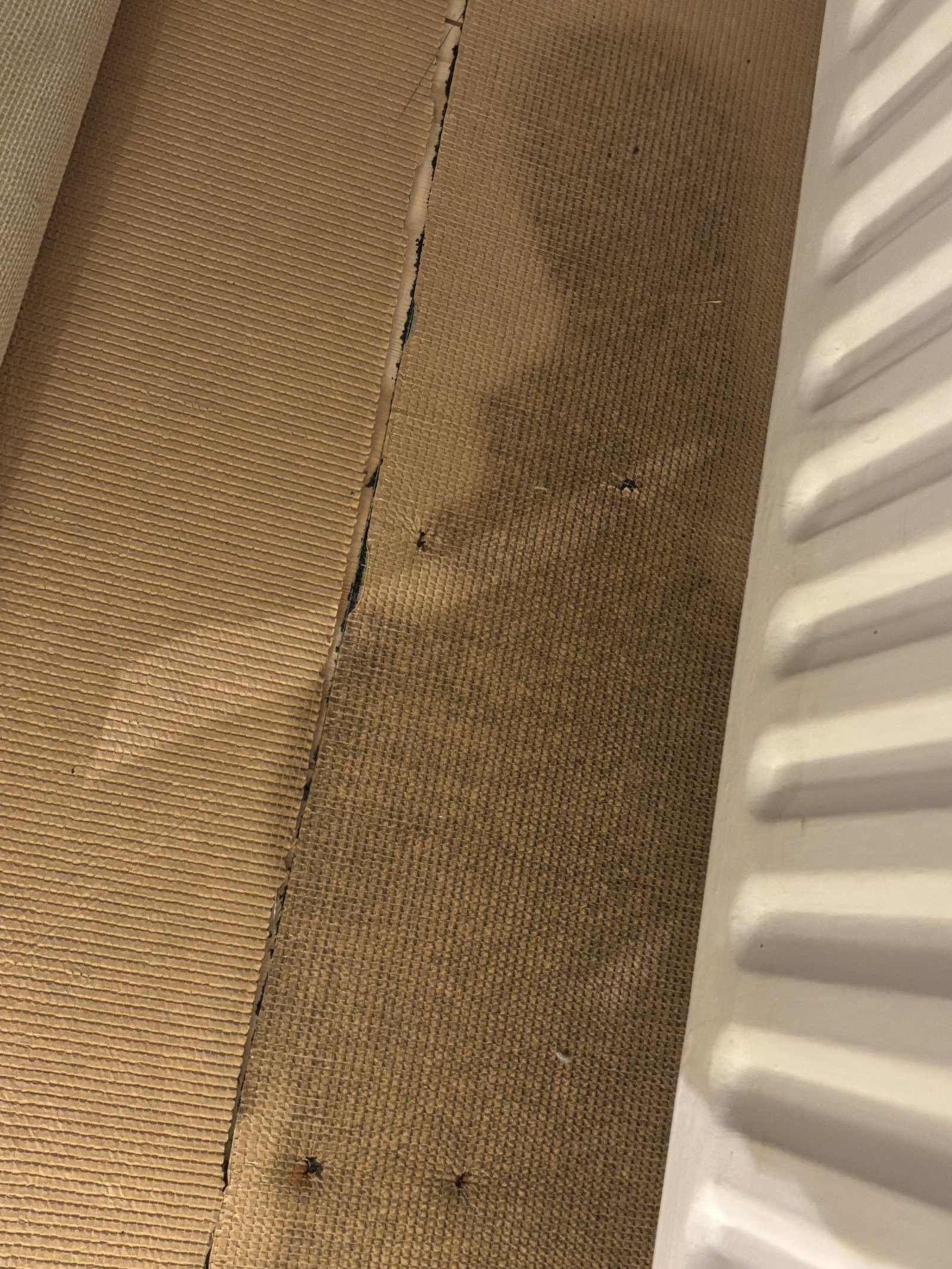
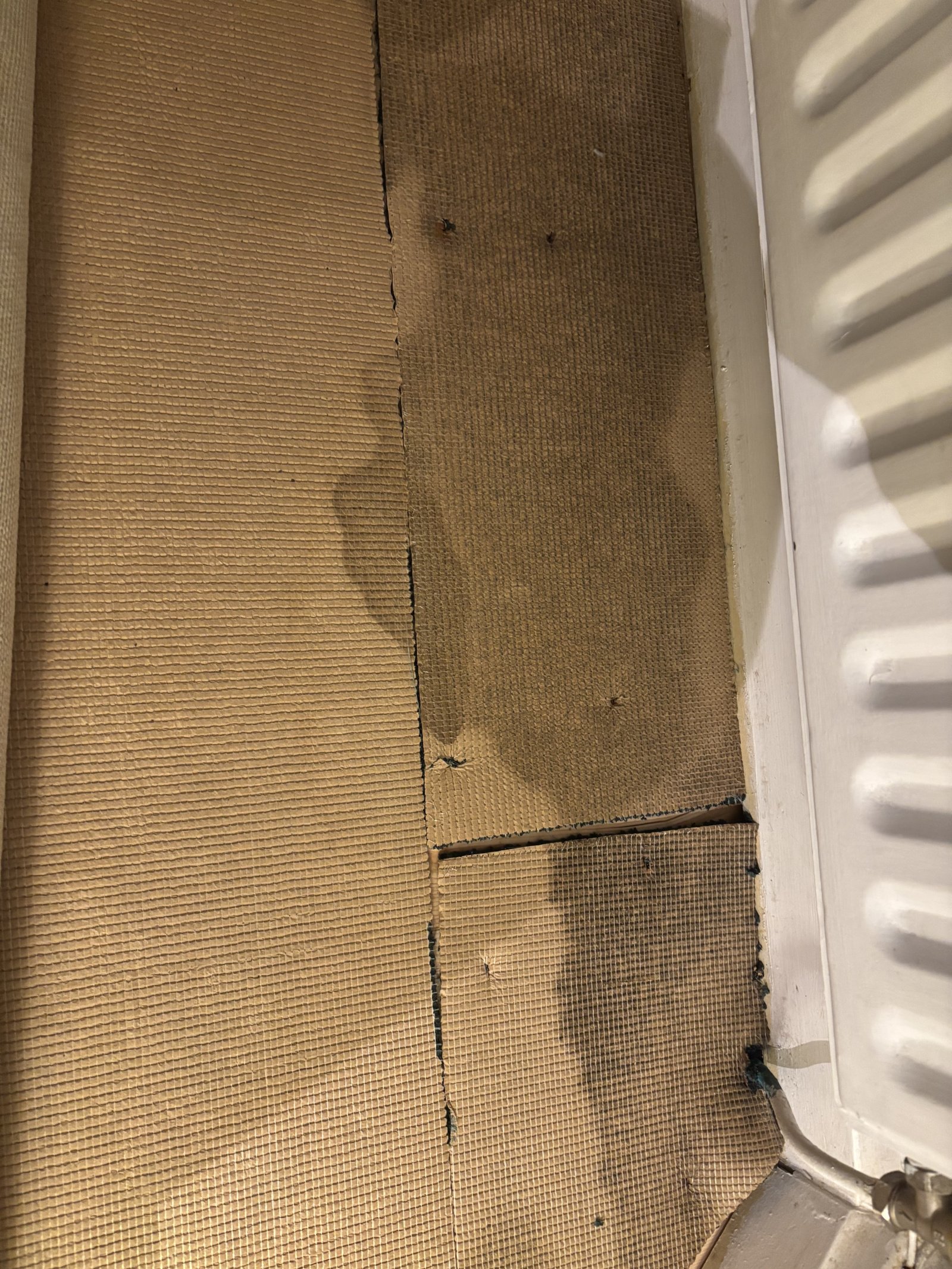
The floorboards were also sagging and creaking, so I called in a reputable dampcare company, which said it was all down to inadequate ventilation.
When they pulled the floorboards up, wet rot was discovered in the joists. These were replaced, new floorboards were put in and they installed four air vents in the brickwork under the floor level.
Now a couple of weeks later, I have discovered the edges of the carpet are damp again and the wet patches have returned on the underlay.
I am obviously going to back to the company which carried out the work, but would be grateful for any informed opinions about why the damp is still there in order to forearm myself.
0
Comments
-
Last photo your wire clips on skirting look to be rusting.
Photo of radiator pipe going into floor board's has green copper deposits so is valve leaking?
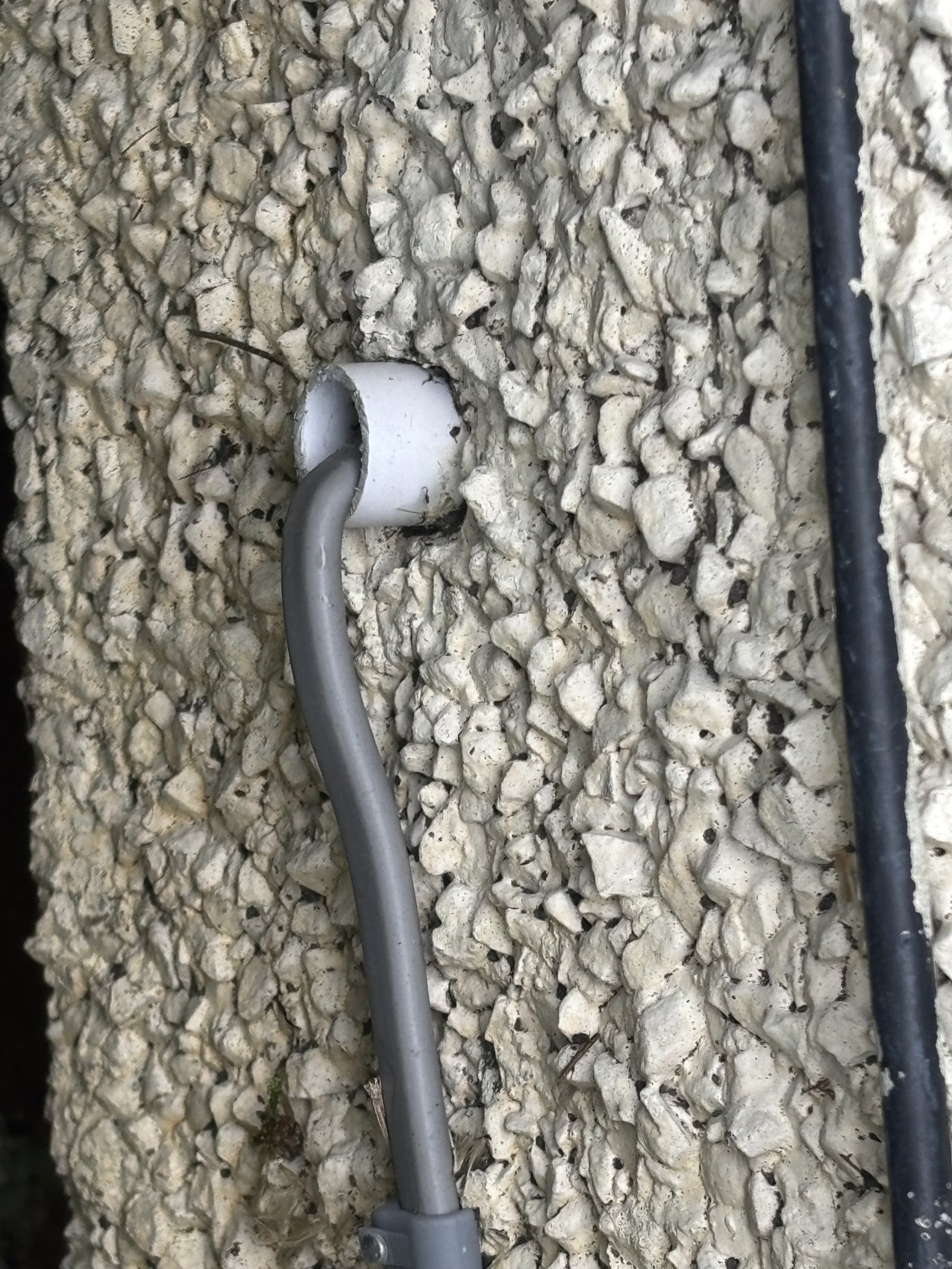
Where does the grey electric cable go as it looks like it goes outside. If so check to see if and water ingress.1 -
You need to provide much wider shots both inside and outside the window to identify any potential areas for water ingress.
1 -
Yes the grey electric cable goes outside to supply garden power points. Can’t see or feel any indication of water ingress from there though.
I can see the oxidisation on the copper radiator pipe but both pipe and valve feel dry. Also, any leakage from there presumably would not explain the second patch of damp in the corner, which is away from the radiator.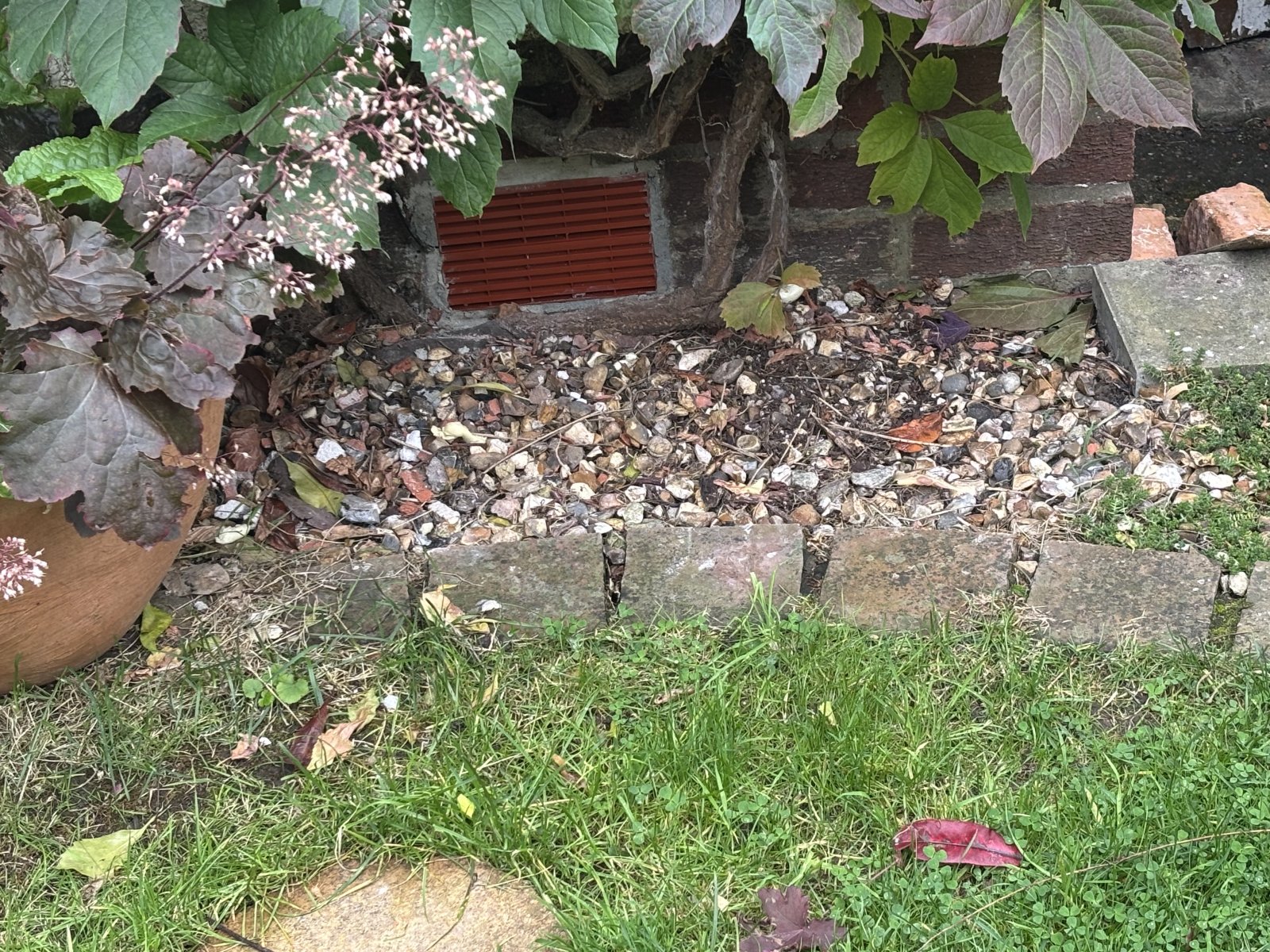

0 -
The 4th photo of the bay from inside the wall on the right looks like a damp patch above the cable.
Are the skirtings there dry or soft?
Are there any damp patches or marks on the ceiling above or marks on the wall?
I take it these walls are cavity walls.0 -
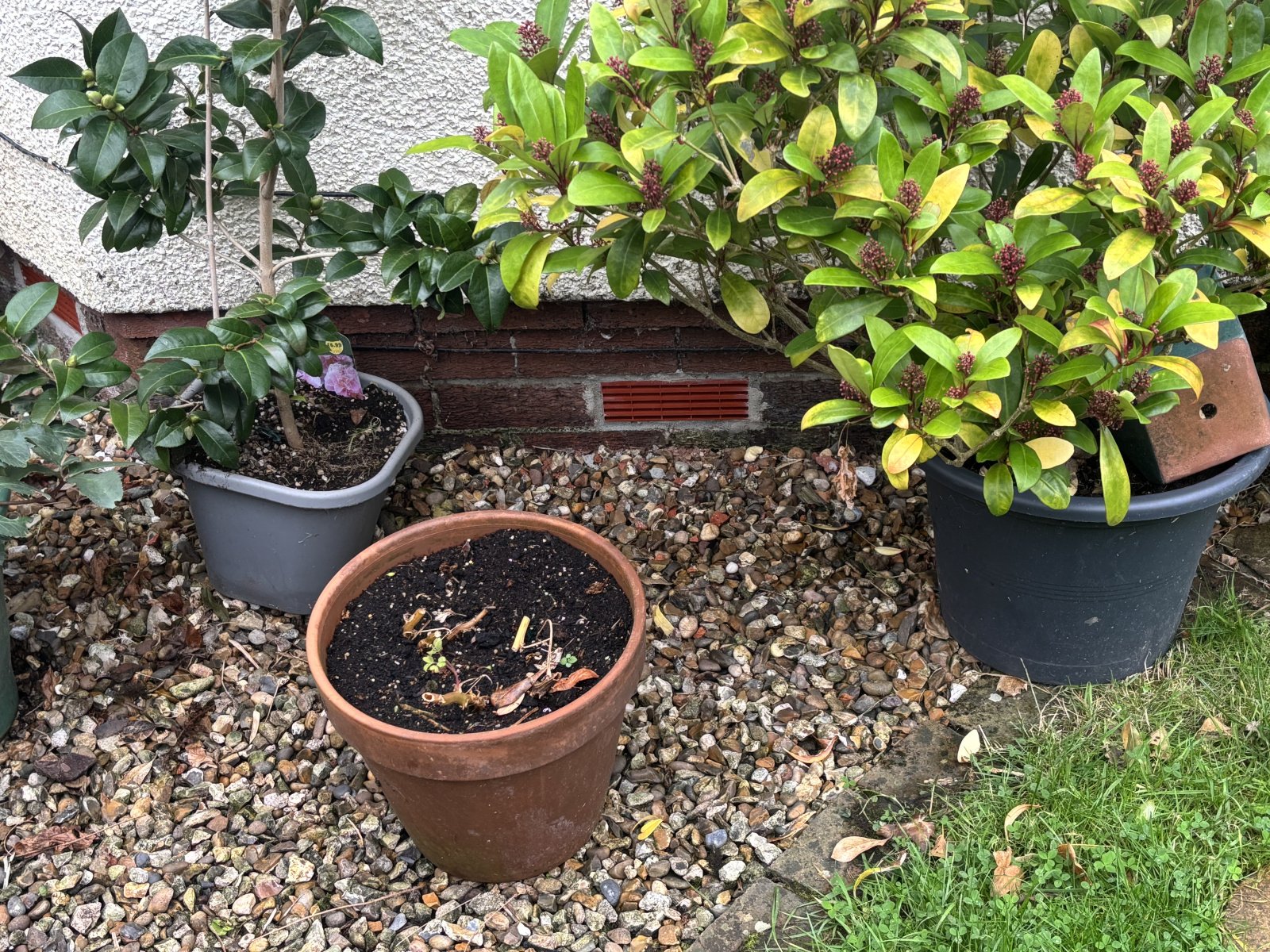
No guttering? No flashing?
Piece of decking on the edge of patio bridging the dpc?
Potential bridging from the plants
Lots to be looking at there. More photos with the plant pots removed might be useful, especially at the edge of the patio where the yellow plant is.
1 -
Skirting boards are dry and solid. We get a fair amount of condensation on that side of the room and in the bedroom directly above because they are north-facing and tend to be cooler than the rest of the house, so all the moisture rushes there. I’m pretty sure the damp patch above the cable is condensation.
Solid walls (built 1930s) so no cavity.
Guttering and flashing are OK. I did wonder if something might have been bridging the DPC from the outside but surveyor said everything was fine in that department.
We haven’t got down to replacing the old carpet underlay yet after getting the new joists and floorboards put in and surveyor thinks that might be the problem. He says underlay which has been serially damp retains salts which attract moisture. He’s coming around again next week so we’ll see.
In the meantime, thanks for all your advice and suggestions.0 -
The photo of the plastic conduit and electric cable coming through outside wall, could you post photo from futher back to give a bit of context?Play with the expectation of winning not the fear of failure. S.Clarke0
-
Are these any good?
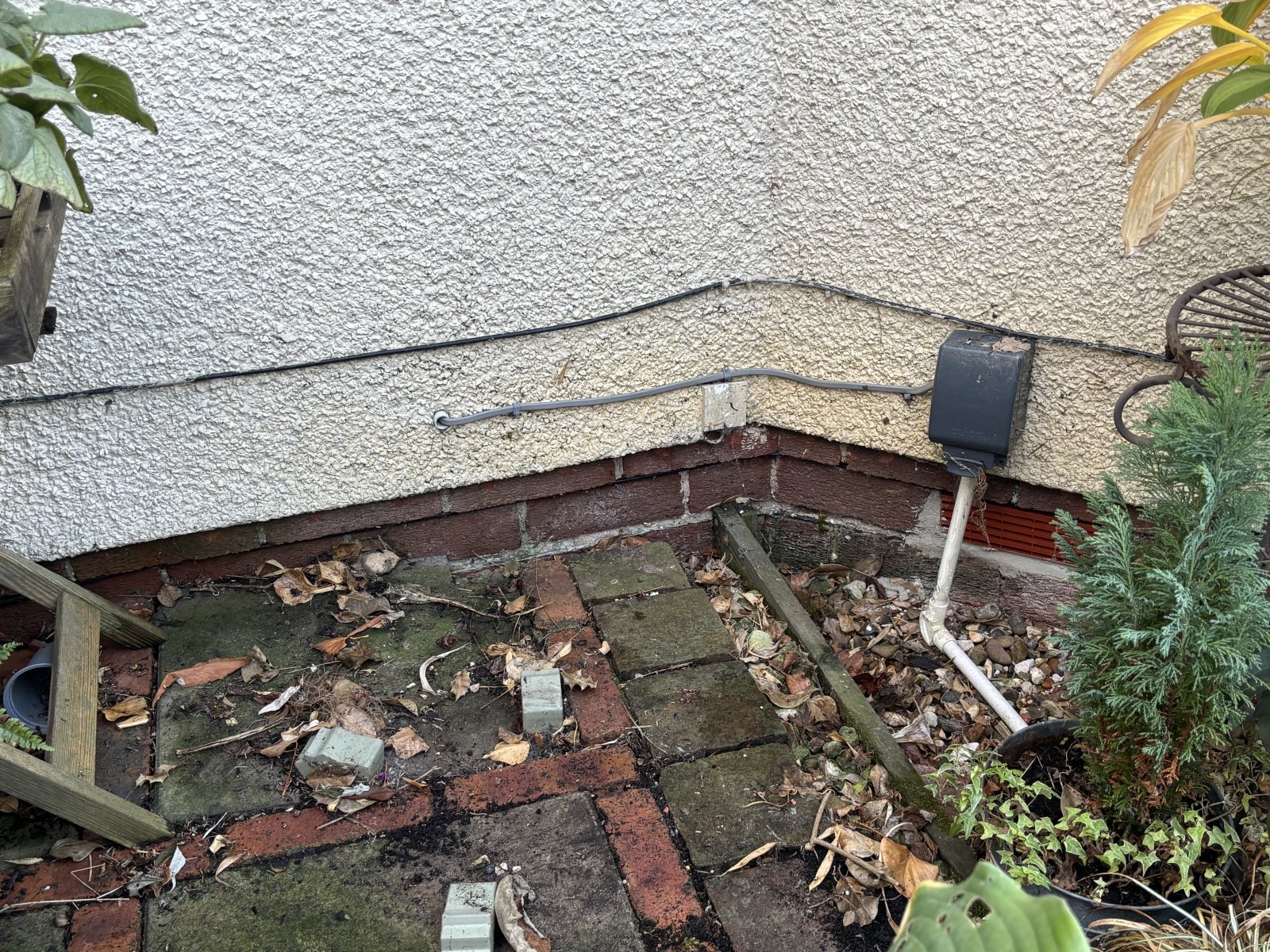
0 -
Sorry, second photo didn’t post.
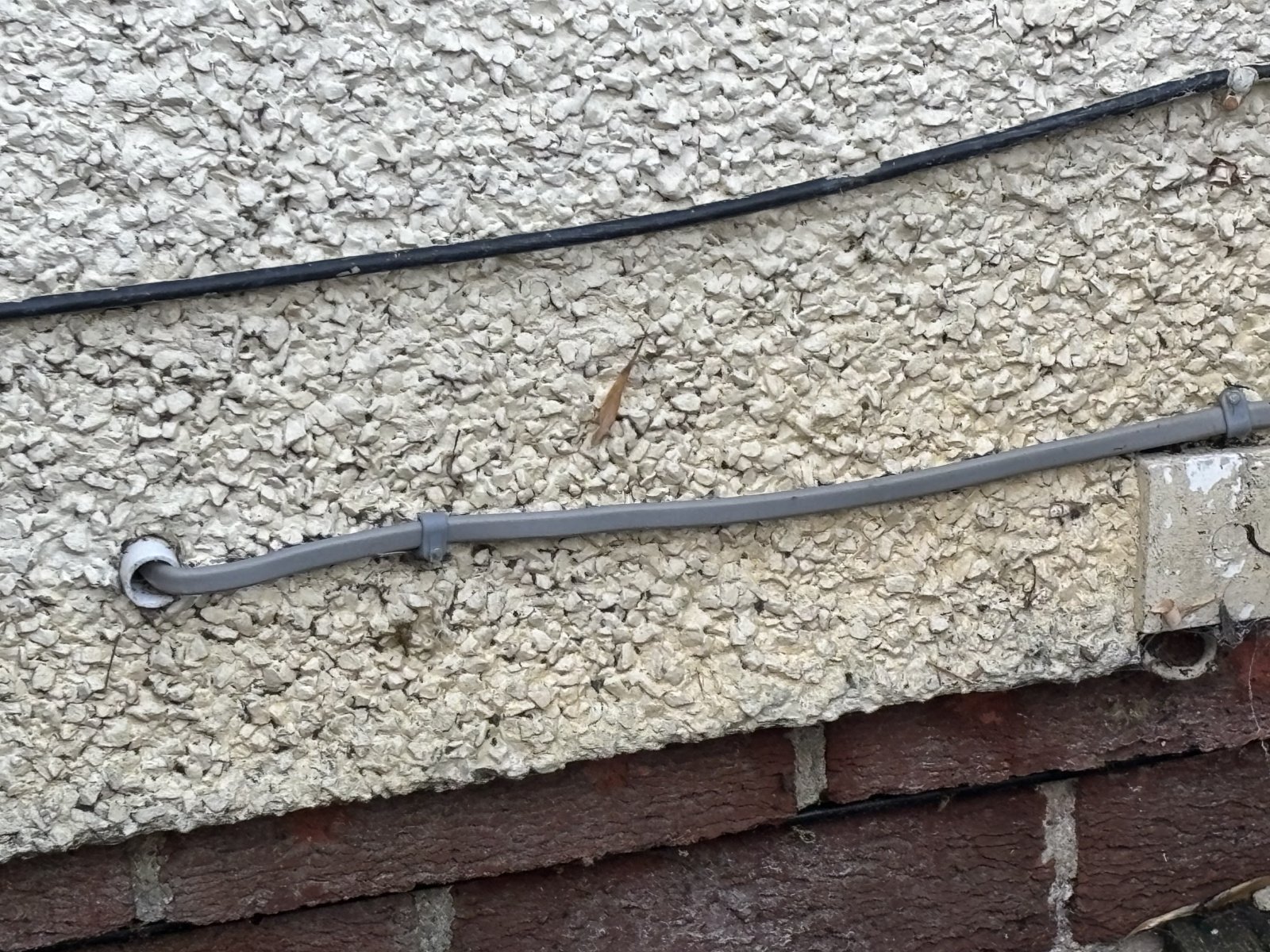 0
0 -
I could see water tracking along that electric cable and in through the conduit.You want to see if you can get a bit of slack so you have a drip loop before cable enters conduit, then get a pug of some sort to seal the conduit.I would use putty myself if nothing else is to hand, just make sure it is well kneaded before use.
A bigger area of concern is the patio stonework going right up against wall, did the people who put in the airbricks not mention it to you?
Edit: you could take off those three cable clips and drop the cable so it is lower than the conduit an then reclip and seal conduit.Play with the expectation of winning not the fear of failure. S.Clarke1







Confirm your email address to Create Threads and Reply

Categories
- All Categories
- 355.8K Banking & Borrowing
- 254.9K Reduce Debt & Boost Income
- 456.2K Spending & Discounts
- 248.3K Work, Benefits & Business
- 606K Mortgages, Homes & Bills
- 179K Life & Family
- 263.8K Travel & Transport
- 1.5M Hobbies & Leisure
- 16.2K Discuss & Feedback
- 37.7K Read-Only Boards