We’d like to remind Forumites to please avoid political debate on the Forum.
This is to keep it a safe and useful space for MoneySaving discussions. Threads that are – or become – political in nature may be removed in line with the Forum’s rules. Thank you for your understanding.
📨 Have you signed up to the Forum's new Email Digest yet? Get a selection of trending threads sent straight to your inbox daily, weekly or monthly!
The Forum now has a brand new text editor, adding a bunch of handy features to use when creating posts. Read more in our how-to guide
3 Bed Semi Renovation - Advice Needed

graeme16
Posts: 23 Forumite



So, I bought a 3 bed semi a couple of weeks ago that has turned into a bit of a project. I already have a separate post covering the damp issues within the house which are on the way to being remedied. The next biggest headache is the plaster.
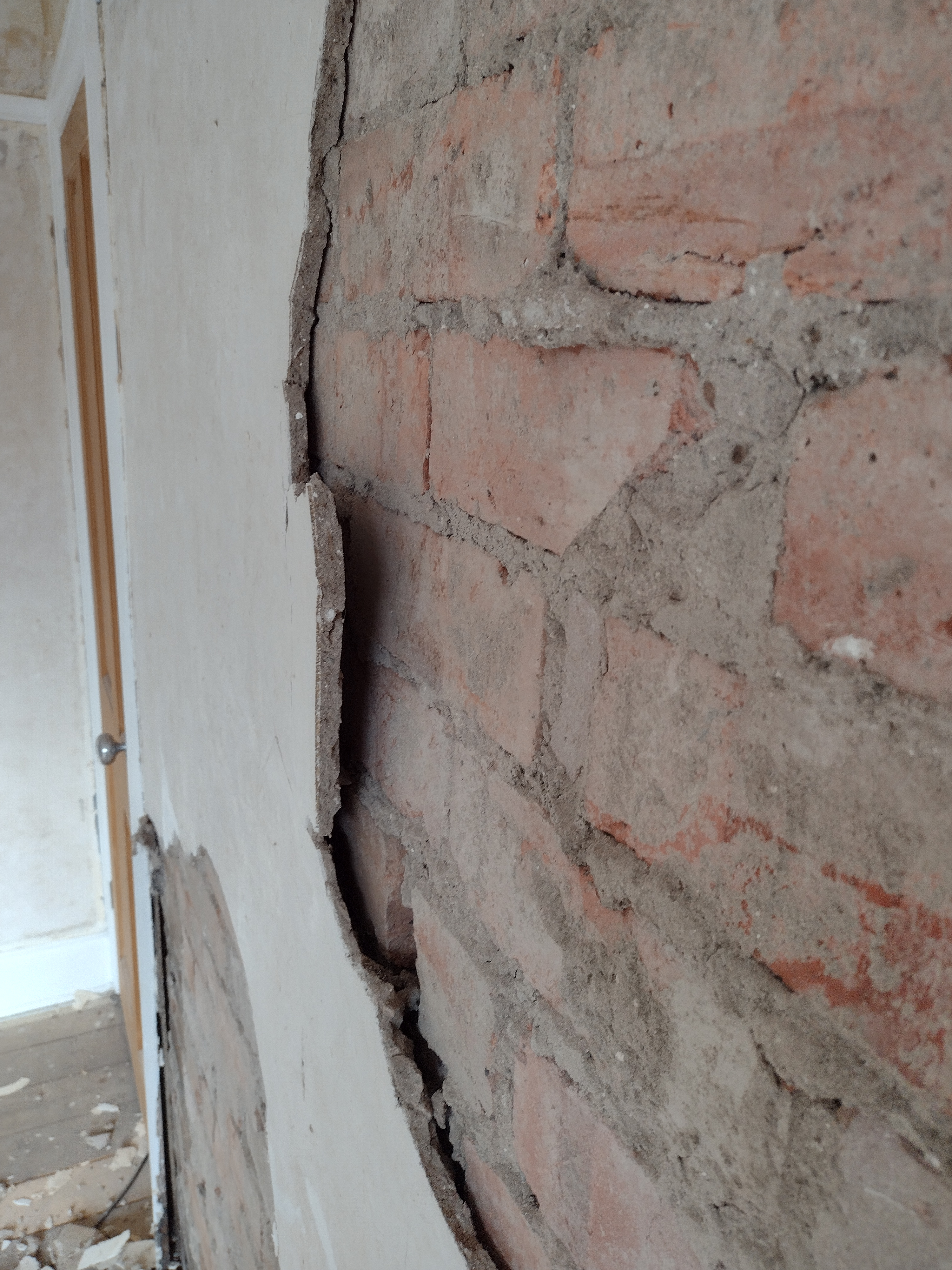
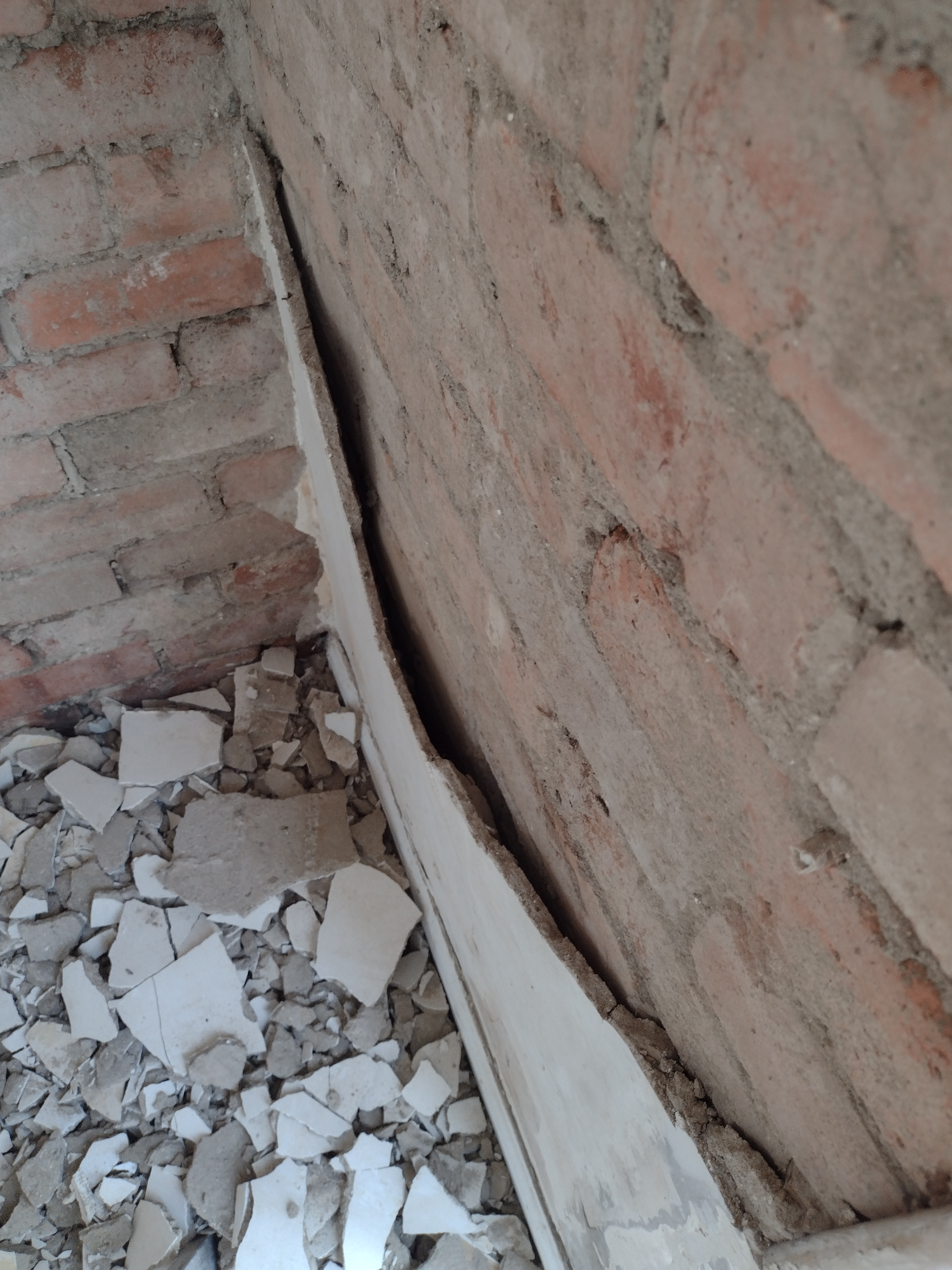
House is 1930's build, cavity wall, with what I believe to be Lime Plaster. Following stripping of the wall paper, there are significant cracks across the majority of the walls and it is clearly loose in many areas. knocking on the walls and they feel very hollow and in a lot of cases you can push on the plaster and physically move it. Now I have gotten a little carried away in the lounge and on of the bedrooms where the plaster was literally coming off in sheets:
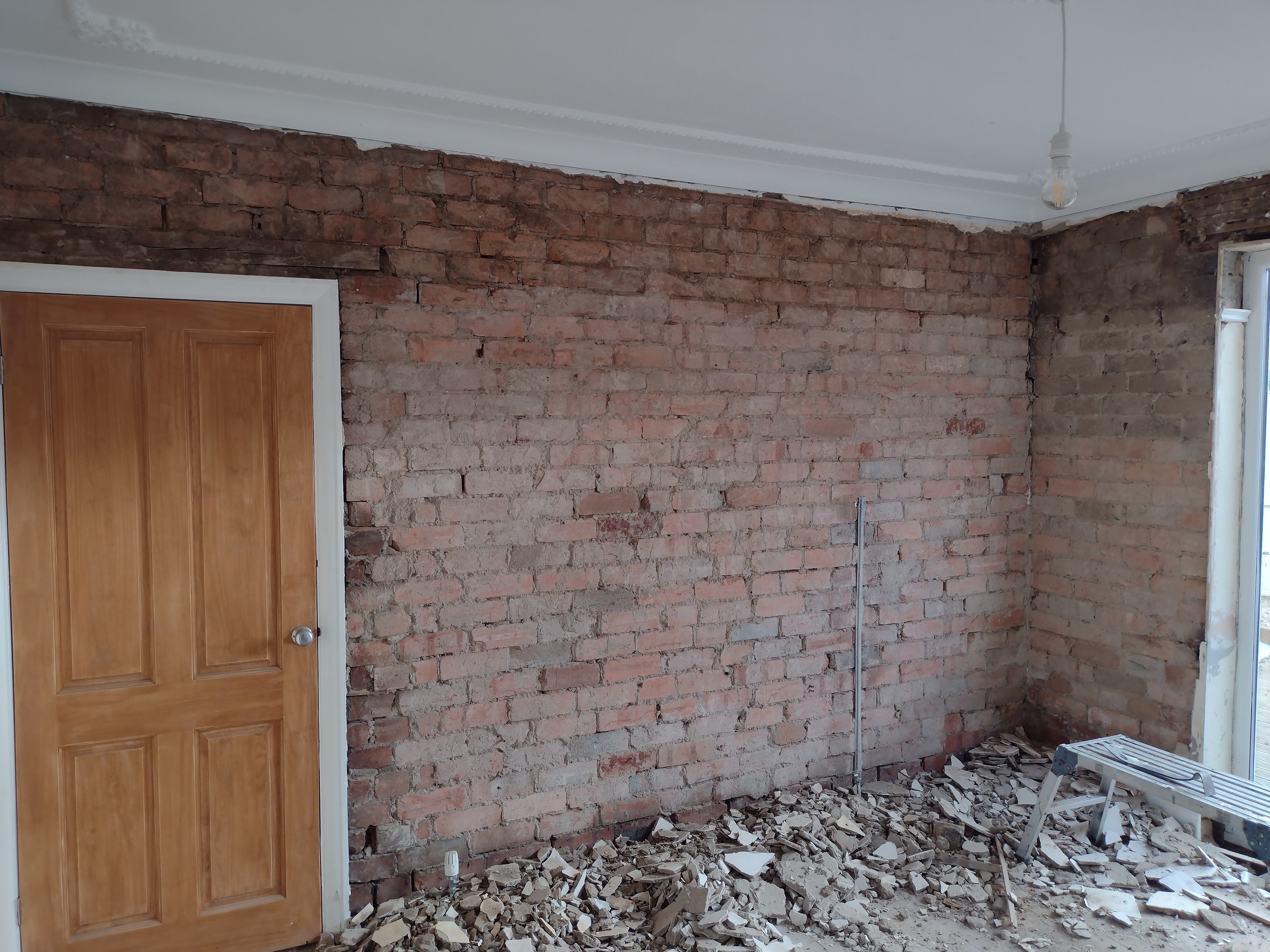
One thing led to another and . . .
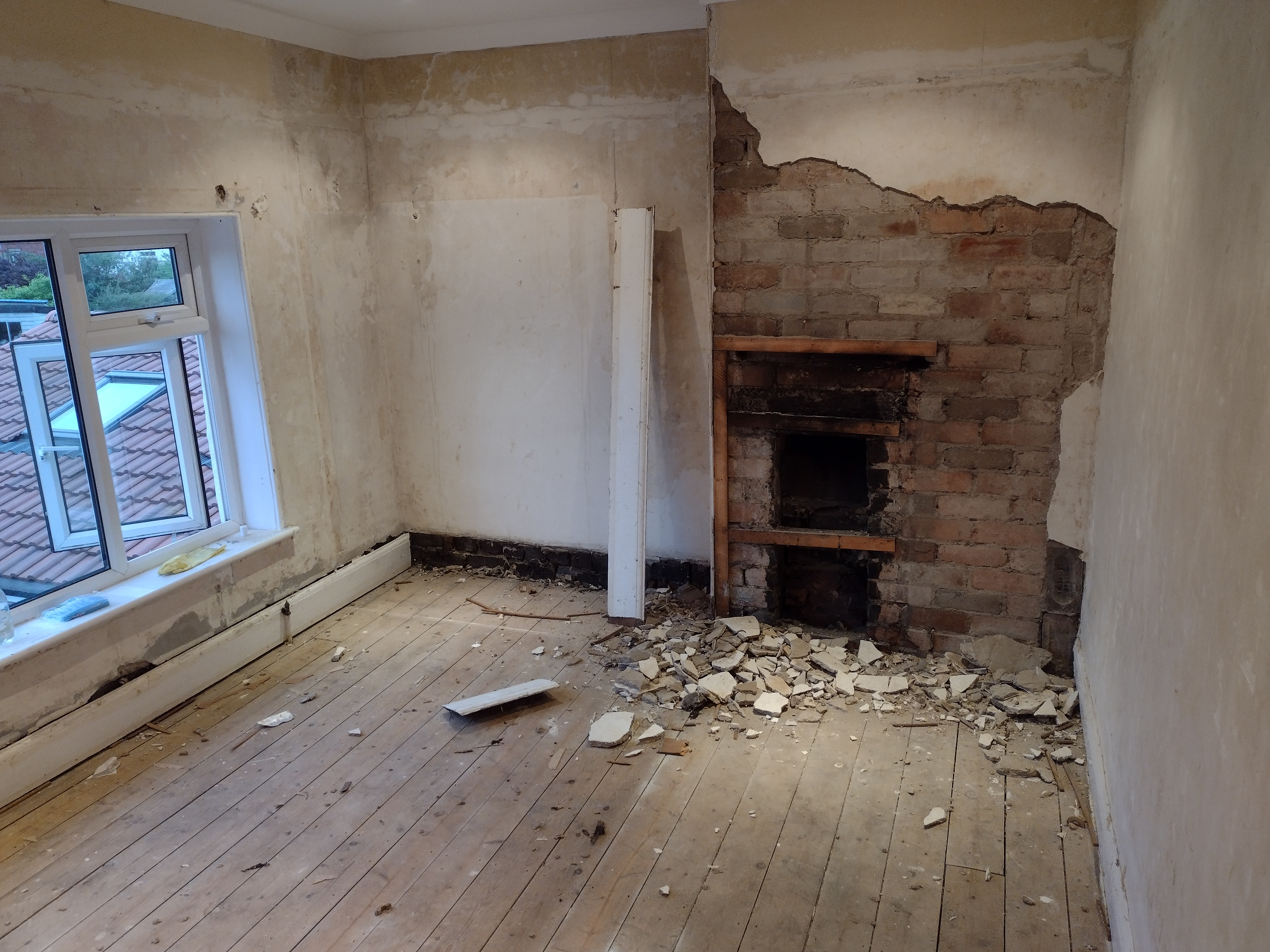
Back bedroom where they had covered the fireplace with a board and wallpaper over it. removed the board, cleared the fireplace out and a lung full of soot later where I had disturbed the plaster:
Some close ups of the cracks:

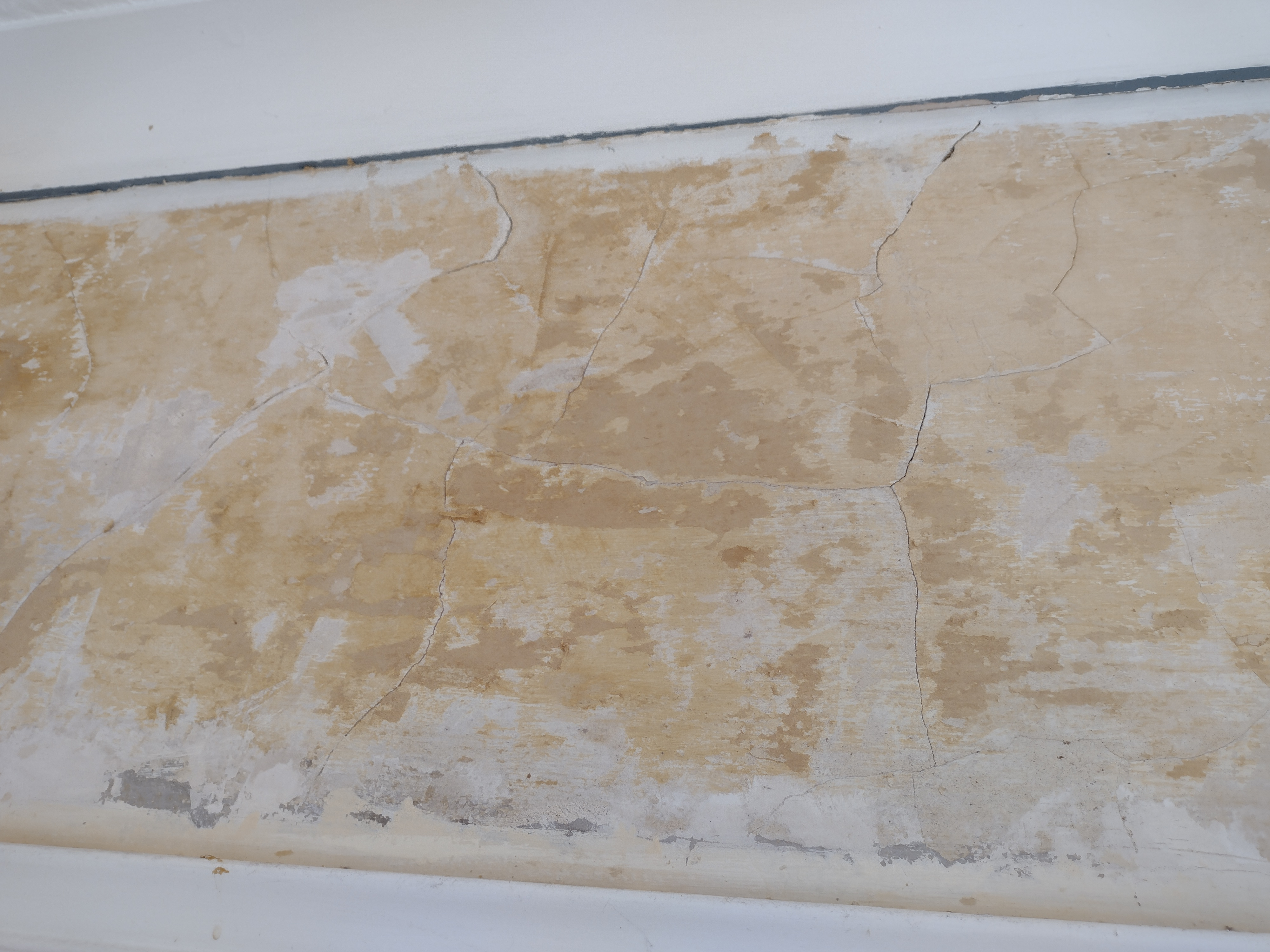
The plaster has obviously delaminated from the brickwork in many places and I'm unsure in what is the best course of action with regards repair or replace? I have no experience with this plaster and I like the idea of removing and replacing all with plaster board (Dot & Dab). We are performing a rewire and the sockets where in the skirting boards so it is likely all the skirting will be coming off and I'm not too fussed on replacing the coving as it seems cheap enough. I have had a couple of plasterers around who have said they have skimmed over worse, however I really worry that is just a cover up and given we are planning to paint and not reapply wallpaper, I have anxiety of cracks appearing through the paint in the coming months / years if we go with a skim. Does anyone have any experience / advice / thoughts they could share as to what they would do in this situation? Is now the time to bite the bullet and replace?
In the photos where there are large sections removed, this was done by hand with no power tools which gives an insight to how loose the plaster is . . . I have taken a step back at the minute to take some advice which I probably should have done several days ago . . . Several rooms have been 'skimmed' and painted and appear to not have any cracks showing. Not sure what work was performed and whether the lime plaster is actually still underneath. There are other areas where skimming has been completed and the cracks are showing through. There are also entire walls that look to have been completely re-plastered:
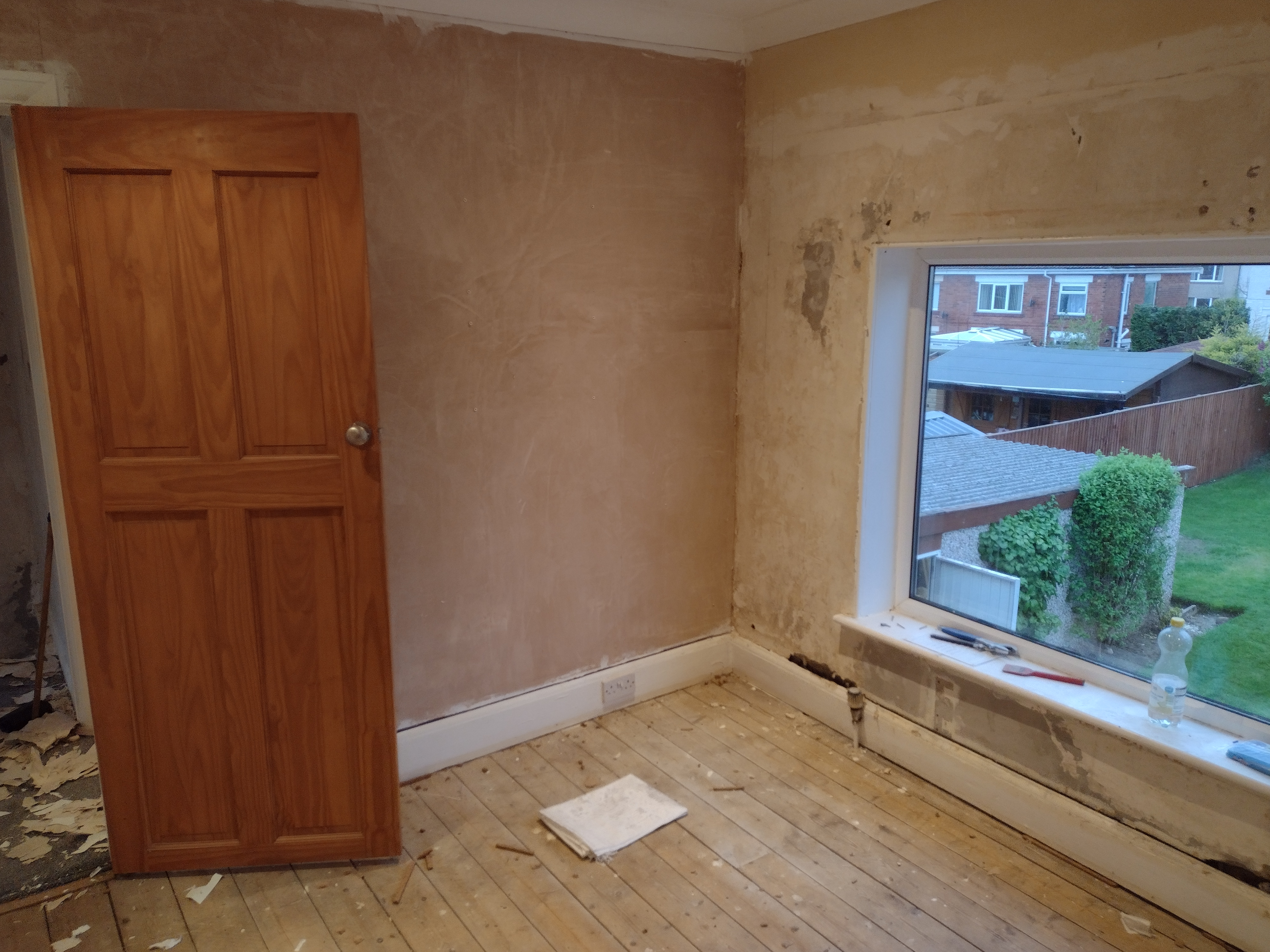
House is 1930's build, cavity wall, with what I believe to be Lime Plaster. Following stripping of the wall paper, there are significant cracks across the majority of the walls and it is clearly loose in many areas. knocking on the walls and they feel very hollow and in a lot of cases you can push on the plaster and physically move it. Now I have gotten a little carried away in the lounge and on of the bedrooms where the plaster was literally coming off in sheets:
One thing led to another and . . .
Back bedroom where they had covered the fireplace with a board and wallpaper over it. removed the board, cleared the fireplace out and a lung full of soot later where I had disturbed the plaster:
Some close ups of the cracks:
The plaster has obviously delaminated from the brickwork in many places and I'm unsure in what is the best course of action with regards repair or replace? I have no experience with this plaster and I like the idea of removing and replacing all with plaster board (Dot & Dab). We are performing a rewire and the sockets where in the skirting boards so it is likely all the skirting will be coming off and I'm not too fussed on replacing the coving as it seems cheap enough. I have had a couple of plasterers around who have said they have skimmed over worse, however I really worry that is just a cover up and given we are planning to paint and not reapply wallpaper, I have anxiety of cracks appearing through the paint in the coming months / years if we go with a skim. Does anyone have any experience / advice / thoughts they could share as to what they would do in this situation? Is now the time to bite the bullet and replace?
In the photos where there are large sections removed, this was done by hand with no power tools which gives an insight to how loose the plaster is . . . I have taken a step back at the minute to take some advice which I probably should have done several days ago . . . Several rooms have been 'skimmed' and painted and appear to not have any cracks showing. Not sure what work was performed and whether the lime plaster is actually still underneath. There are other areas where skimming has been completed and the cracks are showing through. There are also entire walls that look to have been completely re-plastered:
0
Comments
-
With cracks like that and a hollow sound when knocked it’s had it and needs replacing, even if it was sound you really shouldn’t skim over lime as the two don’t mix.
Also one of your doors is upside down!Maybe, just once, someone will call me 'Sir' without adding, 'You're making a scene.'0 -
If the plaster is cracked and sounds hollow when tapped, there is no point in skimming over the top. The cracks will just keep on reappearing - There are ways of fixing blown plaster, but unless it is a listed building that has to be preserved, it just isn't worth messing around.Note - If you remove more than 25% of the plaster from an external wall in a room, Building Regulations kick in - This means you should be adding insulation to the walls where technically practical. 65-75mm of insulated plasterboard (the stuff with PUR/PIR insulation, not the polystyrene stuff) will get you up to spec. Also worth adding some insulation around the window/door reveals to cut down on cold spots. Yes, it will cost you a bit extra, but the energy savings will make it worth while in the long run.P.S. That last pic - The door is upside down. The bottom rail is always wider than the top. On four panel doors, this usually means the short panel is at the bottom.Any language construct that forces such insanity in this case should be abandoned without regrets. –
Erik Aronesty, 2014
Treasure the moments that you have. Savour them for as long as you can for they will never come back again.0 -
You are doing the right thing, Graeme - hack it all off. That plaster has had its day.What is the external wall construction? Do you have a cavity? Now's the time to line the external walls with insulated plasterboard, which can be dotanddabbed into place.What preparation is required for the bare bricks, I don't know, but suffice to say you cannot expect the adhesive to adhere to dusty surfaces. So I would guess something like Everbuild 406 stabiliser would/should do the job nicely - but do check.Then there's the adhesive to use - normal D&D should, I understand, also stick nicely to the polyurethane foam on the back of insulated p'board, but there are alternatives such as spray foam adhesive which could well be easier to use - but, again, check.Then there's the thickness of insul p'b to use. FB points out that regs kick in should you hack off a certain amount of existing plaster. And these regs will likely be pretty demanding, so expect to lose a few inches of room space.My take is that anything you add - even one inch of high-quality insulation - will transform the insulation value of these walls. 2" would obviously be nicely better, but you then need to make a judgement call on how much extra benefit you'll achieve versus the loss of space. Some will say to go the 'max' and be done. I'm just saying that you make that call.2" of insulated p'board will be amazing. Make it more if you wish, but the additional benefit will be very much less (1" will make a HUGE difference. 2" will be better, but NOWHERE like twice as good. The 2" will have done the majority of the work, so a further 1" will have very little to do, 'cos the first 2" will have blocked almost all the heat transfer.)You'll likely have to resort to just 1" in the window reveals anyway.That floor - what are your plans? If it's strip and varnish, then make sure you seal in between each board with a sealant to prevent draughts, and also - especially - around the perimeter under the skirting boards. I have found that cheap brown exterior frame sealant to be effective here - easy to use, and looked fine, but the choice of filler is your call. If you are covering these floors, then seal the gaps as before (you MUST stop draughts, especially on the ground floor) and then overlay with fibreboard - even 8mm - such as the stuff used for laminate underlay. Then add whatever covering you want, even carpet.1
-
Additional thought... Is the upper half of the building solid brick wall ?The window sill looks to be quite narrow (150mm or so wide ?) - If this is the case, well worth insulating the external walls with 75-90mm of insulated plasterboard. Move the radiators to an internal wall and you can rationalise the CH plumbing and fit bigger radiators if needed.Any language construct that forces such insanity in this case should be abandoned without regrets. –
Erik Aronesty, 2014
Treasure the moments that you have. Savour them for as long as you can for they will never come back again.1 -
The knowledge and passion for transferring that knowledge on this forum is really something. Appreciate all the replies and advice.
I agree that the plaster has definitely seen better days. I think its going to have to come off. Is there any downsides to swapping lime mortar with plasterboard? I have seen comments regarding lime plaster ability to absorb moisture and prevent damp, however I believe this is mostly related to solid walls?
With regards the insulated plasterboard I didn't have a clue so need to look into that. Does this apply if you have cavity insulation?
Floors will all be carpet except for the kitchen, hall, dining room and bathrooms which will be a mixture of vinyl and laminate.
The house is definitely cavity walls. I haven't compared the wall thickness upstairs with downstairs. I will be sure to do this and report back.0 -
graeme16 said: I agree that the plaster has definitely seen better days. I think its going to have to come off. Is there any downsides to swapping lime mortar with plasterboard? I have seen comments regarding lime plaster ability to absorb moisture and prevent damp, however I believe this is mostly related to solid walls?
With regards the insulated plasterboard I didn't have a clue so need to look into that. Does this apply if you have cavity insulation?
Floors will all be carpet except for the kitchen, hall, dining room and bathrooms which will be a mixture of vinyl and laminate.
The house is definitely cavity walls. I haven't compared the wall thickness upstairs with downstairs. I will be sure to do this and report back.Lime plaster is great for absorbing moisture and releasing back in to the air without turning to mush like gypsum plaster would - Gypsum is water soluble, which is a problem on walls that may get damp on a regular basis. Lime is also better at resisting high temperatures around areas like a fireplace. Gypsum falls apart when exposed to temperatures over 50°C - I have an inset multifuel stove and regularly see the chimney breast get up to 180°C. The lime plaster used has a couple of minor hairline cracks in it. A friend also has an inset stove, and he used Thistle Multifinish. Within months, the plaster was flaking off in big chunks...If your house is anything like mine, you will have a 50mm cavity - Pumping it full of insulation will reduce the heat loss through the wall, but not enough to hit the current target of 0.30W/m²K. Assuming no cavity insulation, 65mm of PIR/PUR on the inside will get you down low enough to hit the target. Throw in a bit of CWI, and you'll be good for quite a few years. Do check the air vents around the ground floor to make sure they are not blocked after having CWI added. Quite often, there is no sleeve between the inner & outer leaf.Looking through your window at neighbouring properties, there appears to be a corbelled row of bricks at the level of the first floor - Around here, that is an indicator of cavity on the lower half, and solid brick on the upper half. If the window sills are 50-75mm narrower upstairs compared to downstairs, that would confirm my suspicion. Another clue would be a step in the plaster half way up the stairs if the staircase is against an external wall.
Any language construct that forces such insanity in this case should be abandoned without regrets. –
Erik Aronesty, 2014
Treasure the moments that you have. Savour them for as long as you can for they will never come back again.1 -
Graeme, since you are removing all the existing plaster, I think you'd be completely NUTS not to add internal wall insulation, and to draught-proof the floor. This will TRANSFORM the insulation value of your home. EVEN 1" will make a HUGE difference, but make it more if you can.The major part of this job is labour, and that is going to be required regardless of whether you make it insulated p'board, plain p'board or direct plaster (imo daft if you go for this).Are you aware that energy costs are rising?! Even the Daleks know to insulate insulate insulate. The single biggest improvement you can do to your home.0








Confirm your email address to Create Threads and Reply

Categories
- All Categories
- 354.3K Banking & Borrowing
- 254.4K Reduce Debt & Boost Income
- 455.4K Spending & Discounts
- 247.3K Work, Benefits & Business
- 604K Mortgages, Homes & Bills
- 178.4K Life & Family
- 261.5K Travel & Transport
- 1.5M Hobbies & Leisure
- 16K Discuss & Feedback
- 37.7K Read-Only Boards