We’d like to remind Forumites to please avoid political debate on the Forum.
This is to keep it a safe and useful space for MoneySaving discussions. Threads that are – or become – political in nature may be removed in line with the Forum’s rules. Thank you for your understanding.
📨 Have you signed up to the Forum's new Email Digest yet? Get a selection of trending threads sent straight to your inbox daily, weekly or monthly!
The Forum now has a brand new text editor, adding a bunch of handy features to use when creating posts. Read more in our how-to guide
Plaster sinking and breaking

CatLady87
Posts: 114 Forumite



Hello,
I had some damp proofing done to my under stairs cupboard a few years ago. They replastered and also replastered a small section of the living room where it extended from the cupboard.
Stupidly I never painted or sealed the plaster and it was producing a salt-like substance for some time but seemed fine other than that.
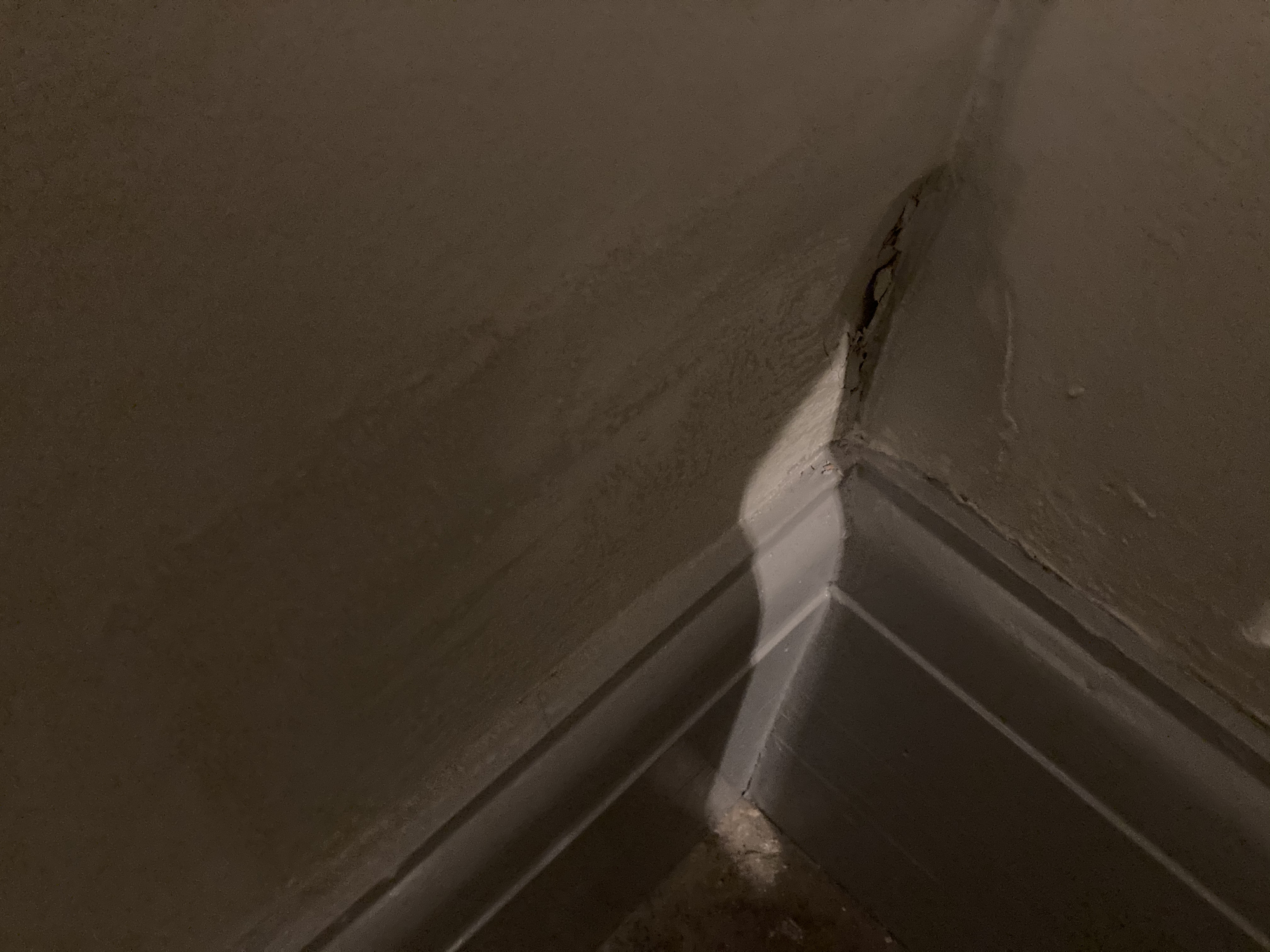
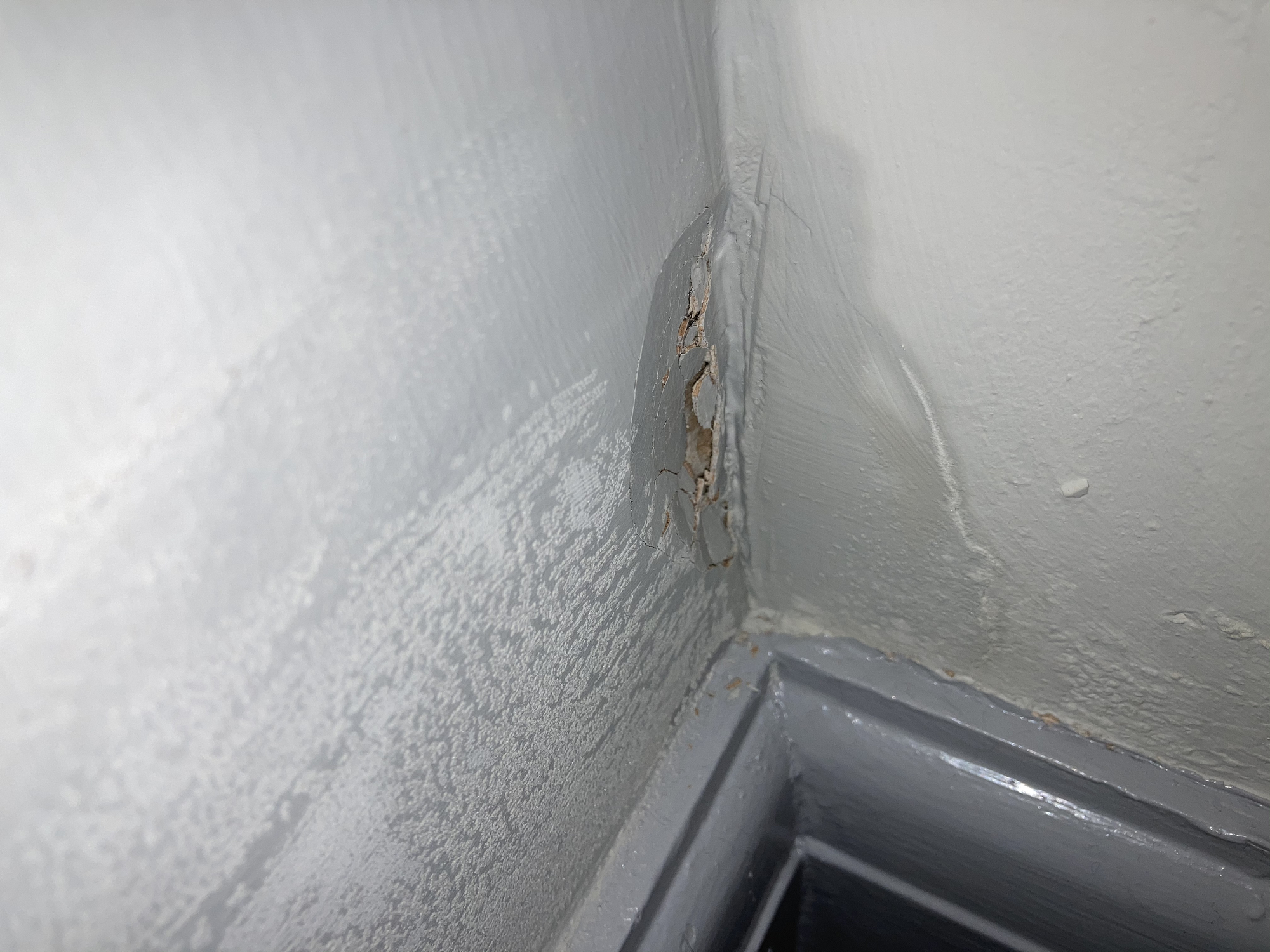
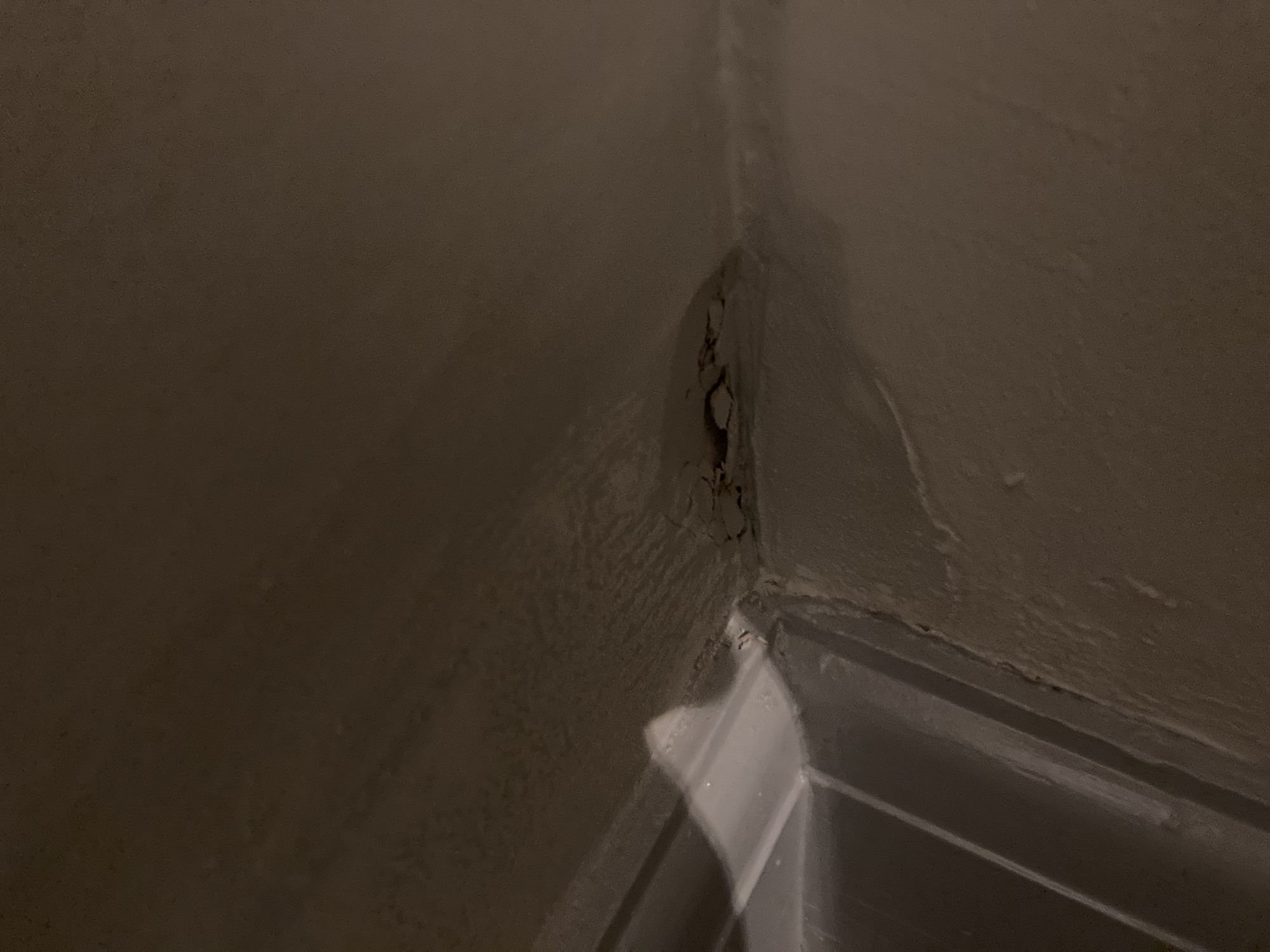
I recently had the living room redecorated and I’ve noticed the spot where the new plaster is had sunk in and looked wet but didn’t feel damp. I poked it (bad idea, I know) and it’s just cracked and crumbled away.
Does anyone know what could have caused this and how it might be fixed?
Many thanks
I had some damp proofing done to my under stairs cupboard a few years ago. They replastered and also replastered a small section of the living room where it extended from the cupboard.
Stupidly I never painted or sealed the plaster and it was producing a salt-like substance for some time but seemed fine other than that.
I recently had the living room redecorated and I’ve noticed the spot where the new plaster is had sunk in and looked wet but didn’t feel damp. I poked it (bad idea, I know) and it’s just cracked and crumbled away.
Does anyone know what could have caused this and how it might be fixed?
Many thanks
0
Comments
-
0 -
Pink plaster by any chance ?If so, it will be a gypsum plaster that has been damp for an extended period. Gypsum is water soluble, so any damp plaster will turn to mush. Did you get a guarantee for this work and is the outfit still in business ?Any language construct that forces such insanity in this case should be abandoned without regrets. –
Erik Aronesty, 2014
Treasure the moments that you have. Savour them for as long as you can for they will never come back again.0 -
The plaster was like a pinky brown colour? It didn’t look overly pink?
No guarantee but I could probably track them down. The understairs cupboard has no issues and has been fine.
Do you think replastering the section would be sufficient to solve the issue? It didn’t seem wet before 0
0 -
Pinky brown will be gypsum plaster. Possibly Thistle Multifinish.Hacking it off so that you have a solid surface and then replastering is the only real option - Some may suggest slapping a bit of PVA on to stabilise what is already there. That would be a short term bodge. Using a gypsum plaster again without fixing the root cause of the damp, and you'll be doing it again in another four or five years.Hacking off all the pinky brown crud and putting a pure lime plaster on would be a long term answer - Doesn't fix any possible damp issues, but it will make it more manageable. Doubt you would get the original company to do that under guarantee though..Any language construct that forces such insanity in this case should be abandoned without regrets. –
Erik Aronesty, 2014
Treasure the moments that you have. Savour them for as long as you can for they will never come back again.0 -
It’s just frustrating as I had the damp proofing work done and it’s still damp, though seems to have become noticeable once the paint has been applied? Is it normal for damp to only affect one small corner area?
Many thanks for your help0 -
CatLady87 said:Is it normal for damp to only affect one small corner area?Why not?You paid for damp-proofing and have to know what exactly caused the damp and how this was supposed to be stopped.I guess it wasn't stopped completely. The moisture kept penetrating slowly, but was able to dry until you painted the wall. The salt-like substance was an indication of process.
0 -
Under stair cupboards are often damp because of the lack of air flow in there. They often back on to a kitchen as well.
Once the wall is damp it becomes a colder spot, and certain salts attract condensation as well. Corners often seem to be a damp spot.
As stated above, lime plaster can help manage the damp better than gypsum which tends to hold it like a sponge.0 -
There's a surprise. Goes to show just how much a waste of money and a con chemical DPCs are. Rather than fixing the cause of the damp it's probably made the matter worse.CatLady87 said:It’s just frustrating as I had the damp proofing work done and it’s still damp, though seems to have become noticeable once the paint has been applied? Is it normal for damp to only affect one small corner area?
Many thanks for your help0 -
Thanks all. The corner pictured is the outside of the cupboard and to the left of the actual corner, that all is a dividing wall between mine and my neighbour’s.
A bit further down that wall the paint previously bubbled and showed signs of damp, doesn’t look obviously damp now but there’s a bit of bubbling going on and some unevenness due to the paint coming off (see photo).
Wondering if this wall is now the culprit! The company who did the work (to the corner, understairs cupboard and bottom of stairs) are coming back to look. No guarantee so I doubt they’ll do any remedial work without a cost. Would it be reasonable to suggest they re-plaster with lime?0 -
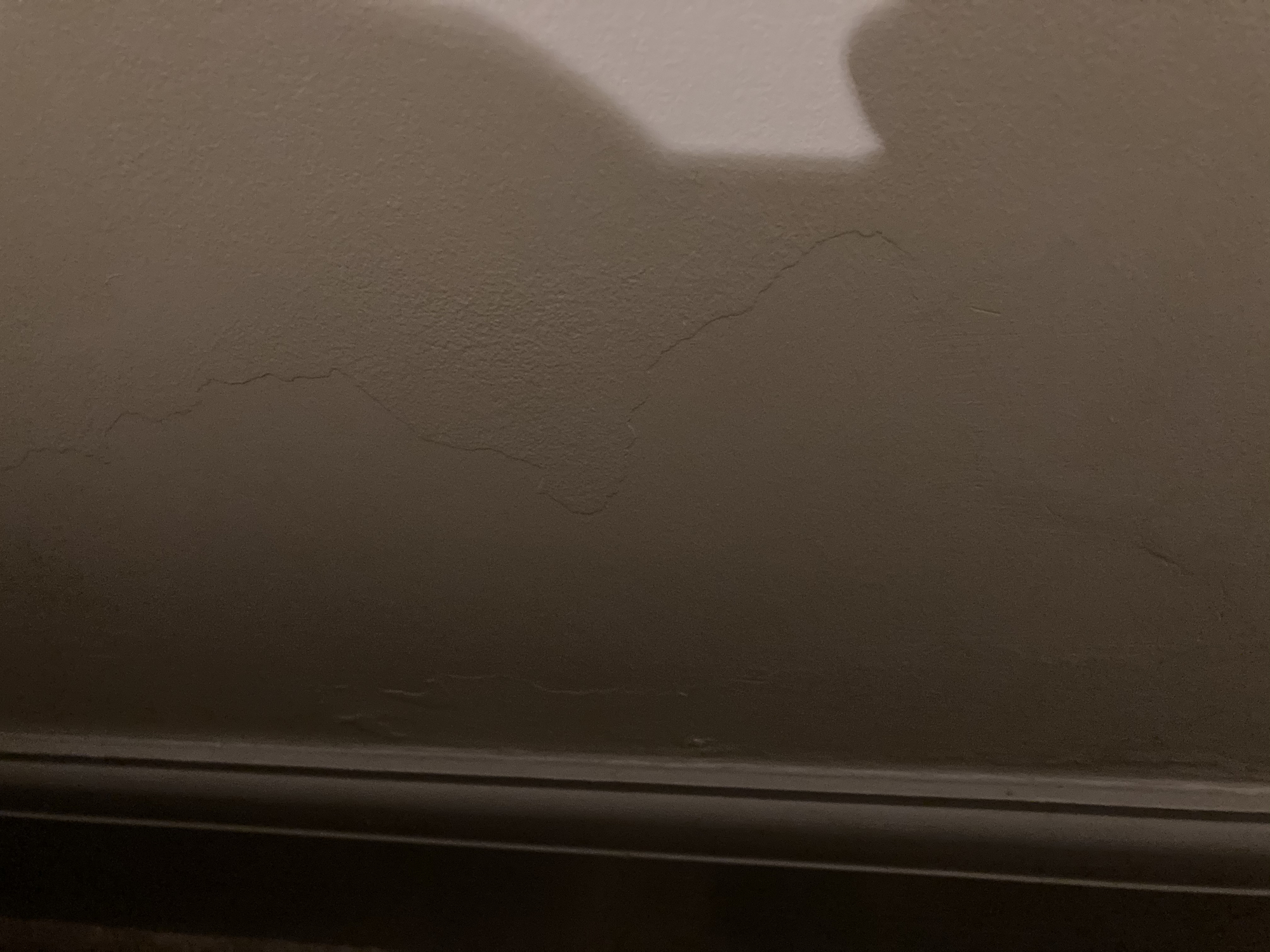 Sorry for the dreadful photo!
0






Confirm your email address to Create Threads and Reply

Categories
- All Categories
- 354.4K Banking & Borrowing
- 254.4K Reduce Debt & Boost Income
- 455.4K Spending & Discounts
- 247.3K Work, Benefits & Business
- 604K Mortgages, Homes & Bills
- 178.4K Life & Family
- 261.5K Travel & Transport
- 1.5M Hobbies & Leisure
- 16K Discuss & Feedback
- 37.7K Read-Only Boards