We’d like to remind Forumites to please avoid political debate on the Forum.
This is to keep it a safe and useful space for MoneySaving discussions. Threads that are – or become – political in nature may be removed in line with the Forum’s rules. Thank you for your understanding.
📨 Have you signed up to the Forum's new Email Digest yet? Get a selection of trending threads sent straight to your inbox daily, weekly or monthly!
The Forum now has a brand new text editor, adding a bunch of handy features to use when creating posts. Read more in our how-to guide
Help Identifying Flooring

TruemrG
Posts: 1 Newbie
Hi there,
Recently moved in to a property and in the process of gutting and doing it up. Property is terraced and built approx. 1884.
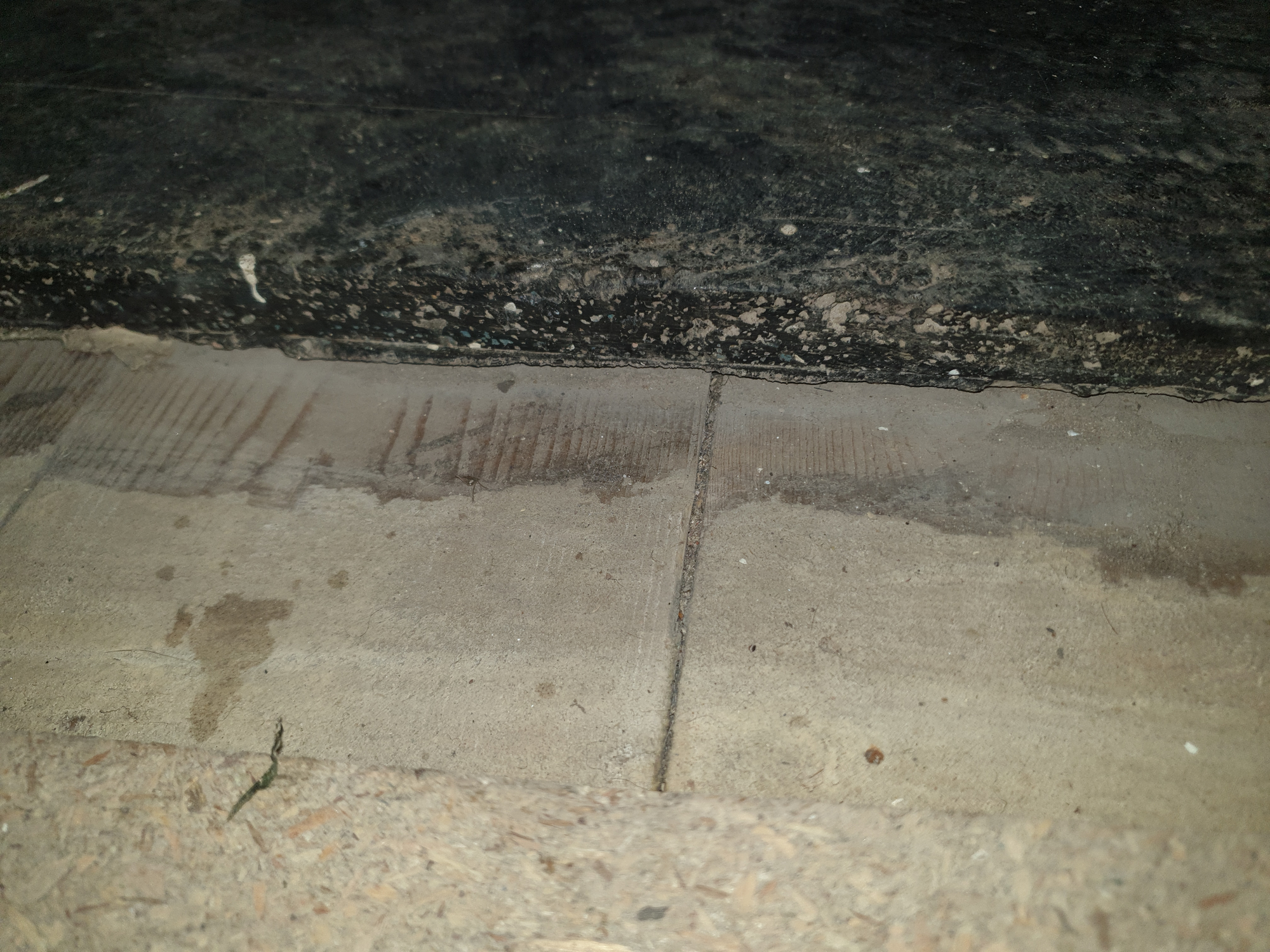
I have lifted up the laminate in the hallway & dining room and surprised to find a solid black floor underneath (where I was expecting floorboards, as the front room is wooden floorboards - can be seen in one of the attached pictures in door threshold where front room meets hallway).
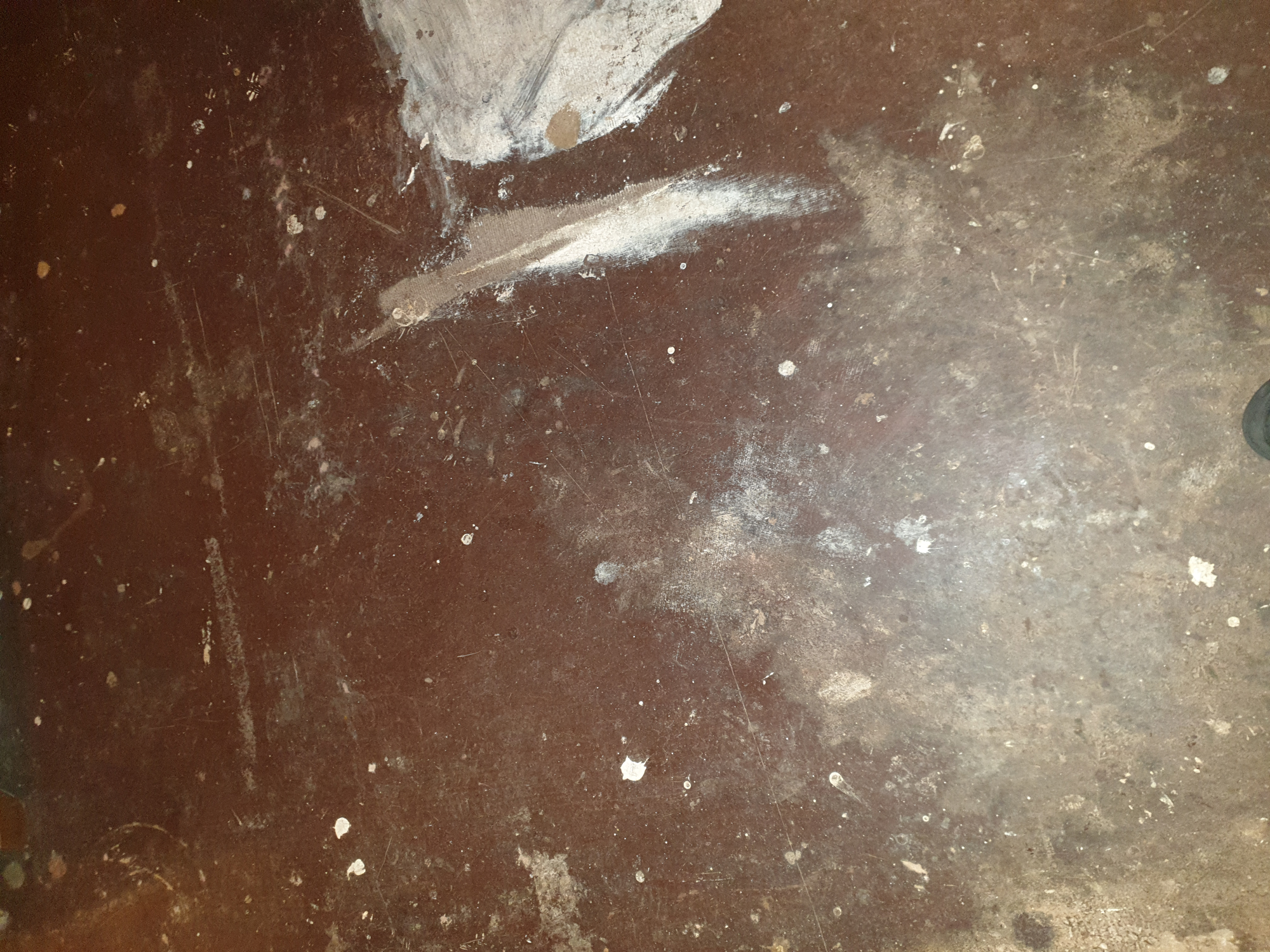
I'm trying to figure out what the black flooring is that has been used throughout the hallway and dining room.
Chipping away at some corners to alter central heating pipework in both rooms, it does look like its about an inch thick and has been laid ontop of concrete (possibly)?
We were wanting to tile throughout hallway & dining room, but unsure if this can be done with this floor as is.
We had a builder round who is doing some work for us in the new year and we mentioned we were going to tile ontop. He asked if it was asphalt (I have no idea) and mentioned it could flex and not be suitable for tiling ontop of. Floor seems pretty solid to me, so not sure if the flexing he mentioned would be by product of adhesive used?
Any help is greatly appreciated in helping to identify what this black flooring is.
Many thanks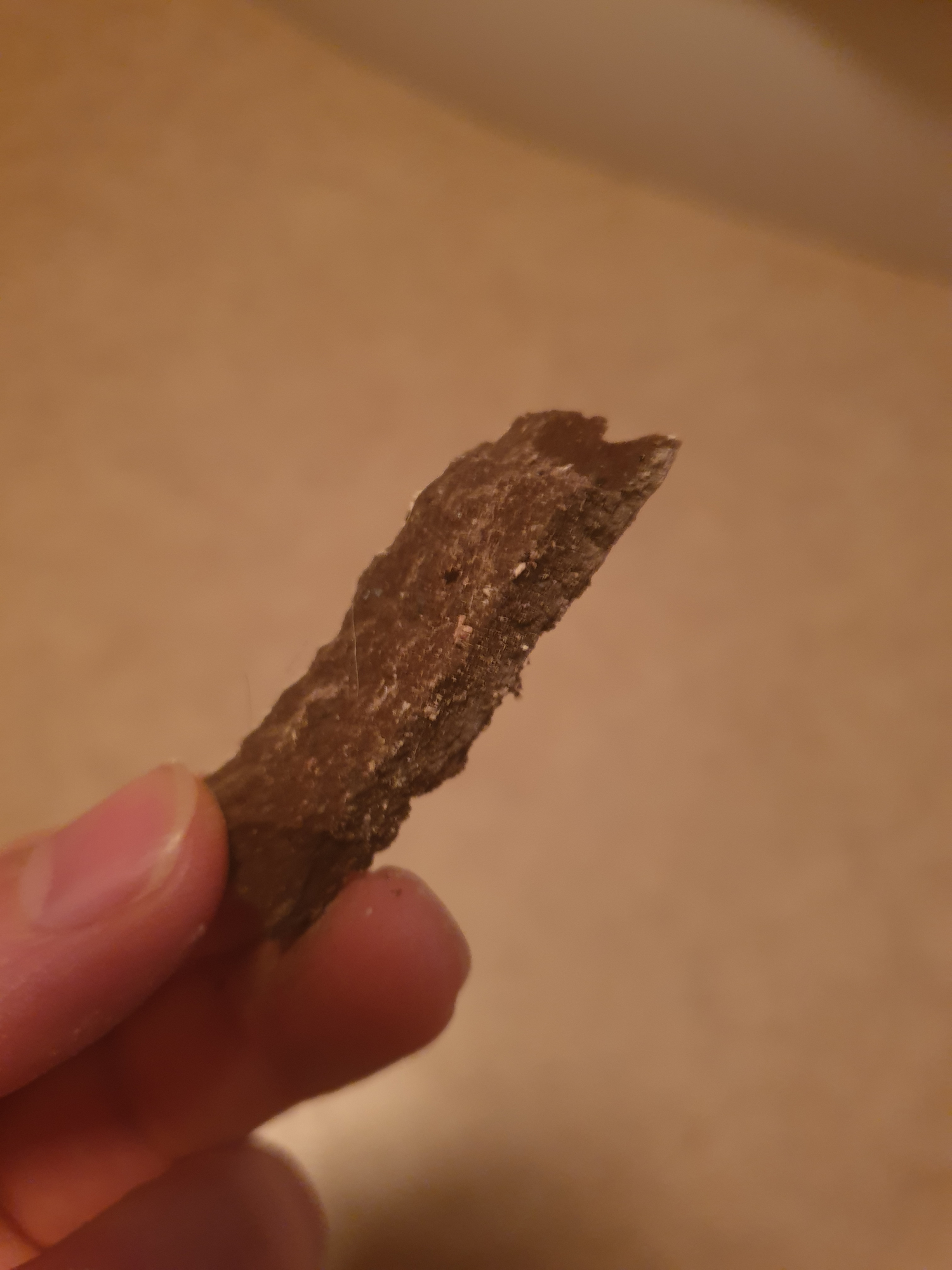
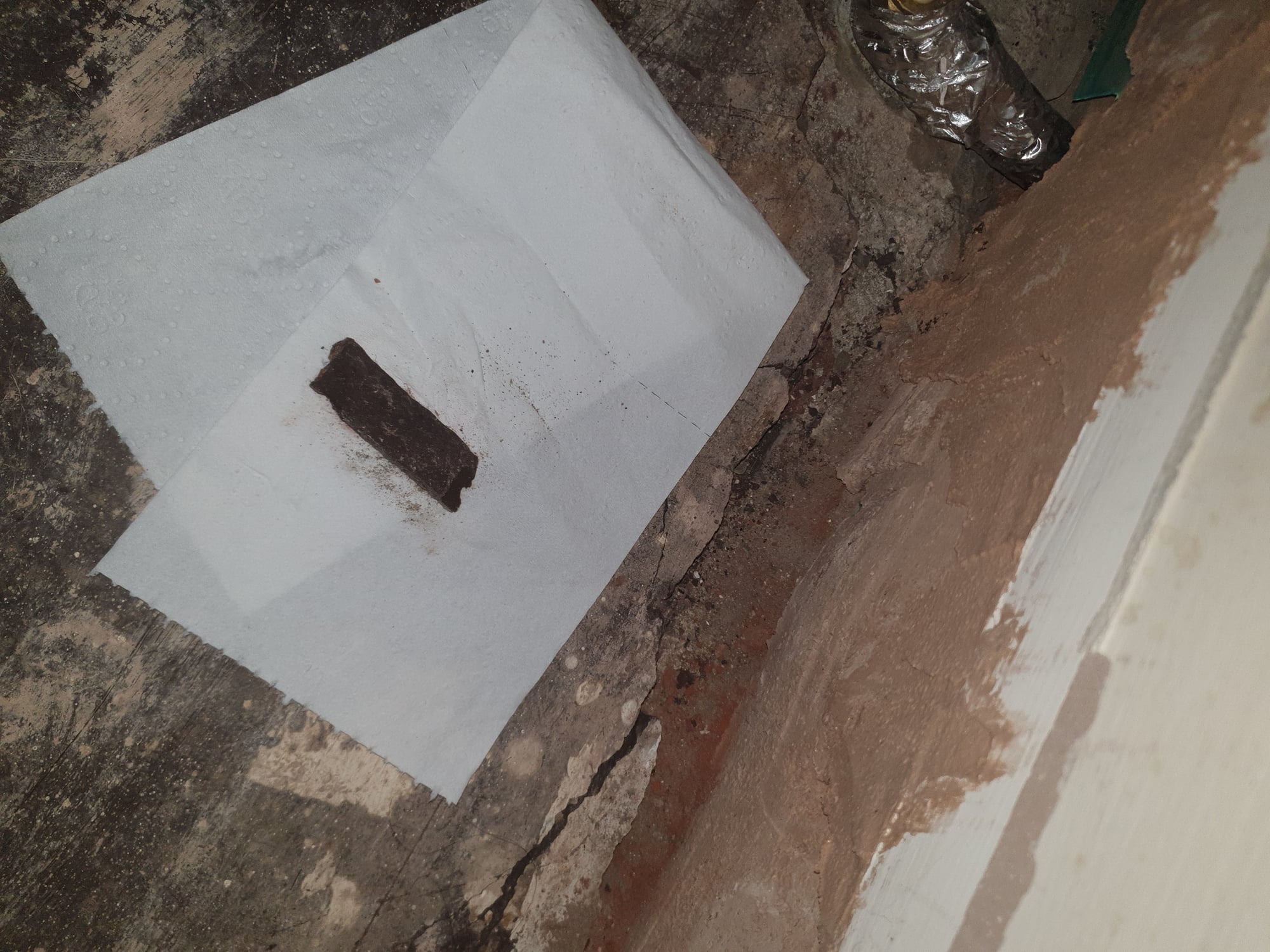
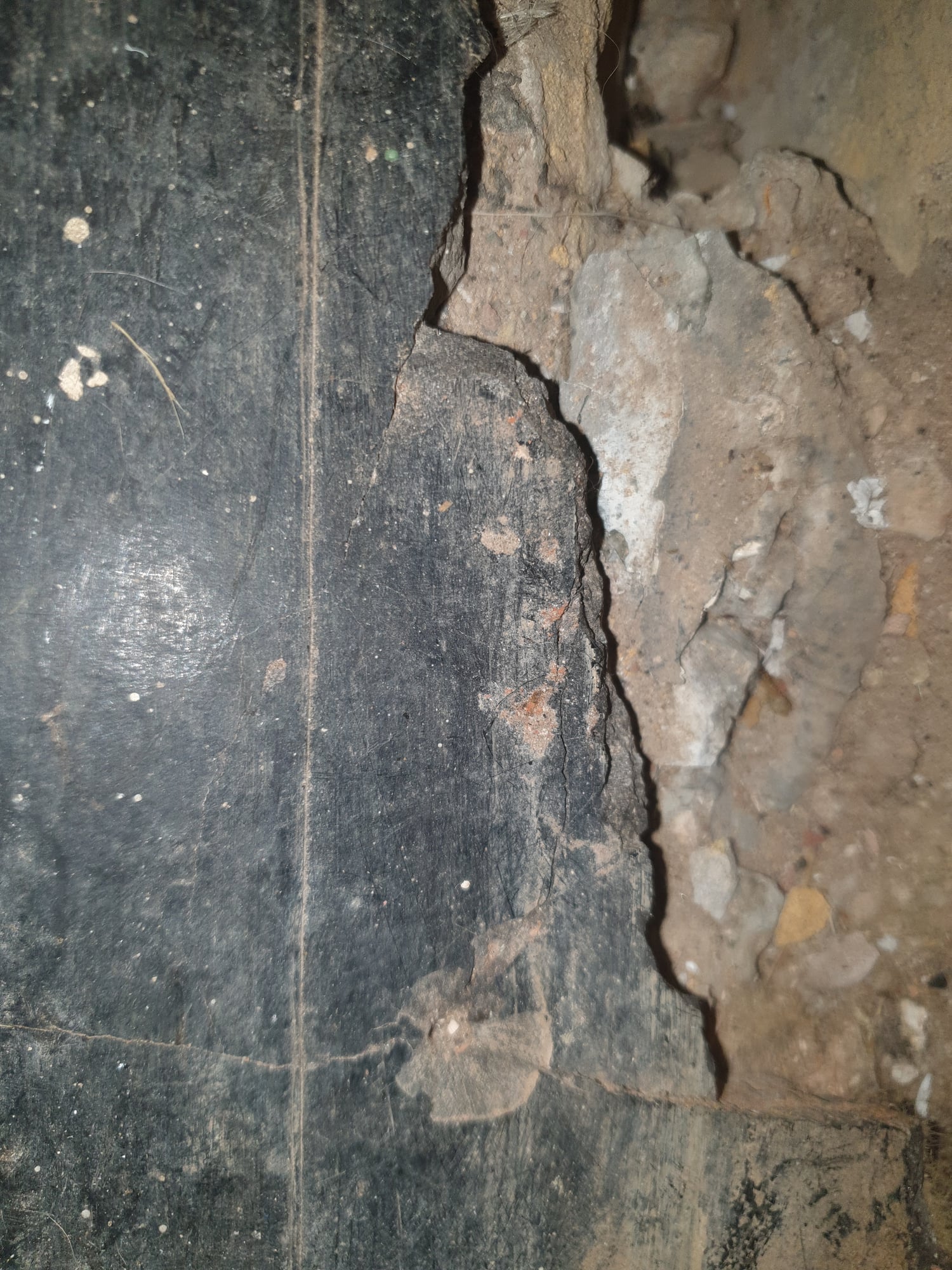
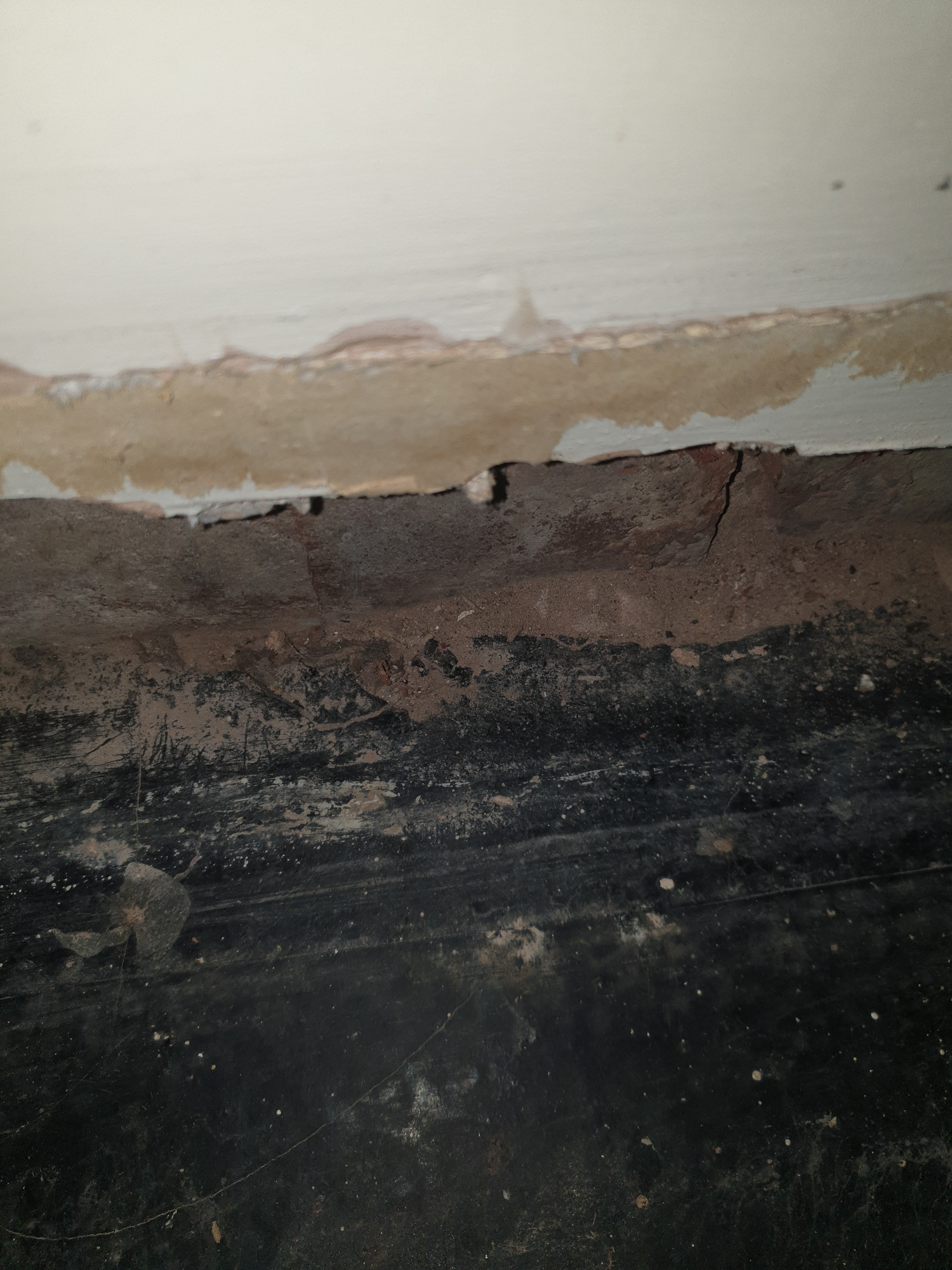
Recently moved in to a property and in the process of gutting and doing it up. Property is terraced and built approx. 1884.
I have lifted up the laminate in the hallway & dining room and surprised to find a solid black floor underneath (where I was expecting floorboards, as the front room is wooden floorboards - can be seen in one of the attached pictures in door threshold where front room meets hallway).
I'm trying to figure out what the black flooring is that has been used throughout the hallway and dining room.
Chipping away at some corners to alter central heating pipework in both rooms, it does look like its about an inch thick and has been laid ontop of concrete (possibly)?
We were wanting to tile throughout hallway & dining room, but unsure if this can be done with this floor as is.
We had a builder round who is doing some work for us in the new year and we mentioned we were going to tile ontop. He asked if it was asphalt (I have no idea) and mentioned it could flex and not be suitable for tiling ontop of. Floor seems pretty solid to me, so not sure if the flexing he mentioned would be by product of adhesive used?
Any help is greatly appreciated in helping to identify what this black flooring is.
Many thanks
0
Comments
-
Looks like asphalt to me, especially as they have formed a skirt up the wall with it. Was often used as damp proofing on floors years ago. It is said to be sensitive to temperature changes, so tilers would be more likely to use one of these if they were prepared to tile over it. https://www.tilingsuppliesdirect.co.uk/product-category/wetroom-systems/decoupling-membranes#.X5UxfkeSnIU1



Confirm your email address to Create Threads and Reply

Categories
- All Categories
- 354.4K Banking & Borrowing
- 254.4K Reduce Debt & Boost Income
- 455.4K Spending & Discounts
- 247.3K Work, Benefits & Business
- 604K Mortgages, Homes & Bills
- 178.4K Life & Family
- 261.5K Travel & Transport
- 1.5M Hobbies & Leisure
- 16K Discuss & Feedback
- 37.7K Read-Only Boards