We’d like to remind Forumites to please avoid political debate on the Forum.
This is to keep it a safe and useful space for MoneySaving discussions. Threads that are – or become – political in nature may be removed in line with the Forum’s rules. Thank you for your understanding.
📨 Have you signed up to the Forum's new Email Digest yet? Get a selection of trending threads sent straight to your inbox daily, weekly or monthly!
The Forum now has a brand new text editor, adding a bunch of handy features to use when creating posts. Read more in our how-to guide
Is this allowed? (UK)
Comments
-
yes this is true. if you look at the working week, which for the OP is deemed to be Sunday to Saturday, then the OP has only worked 5 days a week, 8 hours each day, so that is 40 hours and not 48 hours as the OP states.jonnyd281 said:But you don't work more than 40 hours in your pay period (Sun-Sat). You have five 8 hour shifts in each pay period and two days off, they just move throughout a period of time.0 -
I can see that it's 40 hours per pay week but it's 48 hours working in a row without a day off.AskAsk said:
yes this is true. if you look at the calendar week, which for the OP is deemed to be Sunday to Saturday, then the OP has only worked 5 days a week, 8 hours each day, so that is 40 hours and not 48 hours as the OP states.jonnyd281 said:But you don't work more than 40 hours in your pay period (Sun-Sat). You have five 8 hour shifts in each pay period and two days off, they just move throughout a period of time.0 -
But follow the shifts through to end of November and he does work two 48 hour week but he has stated he is paid per shirt, not a straight 40 hour week.AskAsk said:
yes this is true. if you look at the calendar week, which for the OP is deemed to be Sunday to Saturday, then the OP has only worked 5 days a week, 8 hours each day, so that is 40 hours and not 48 hours as the OP states.jonnyd281 said:But you don't work more than 40 hours in your pay period (Sun-Sat). You have five 8 hour shifts in each pay period and two days off, they just move throughout a period of time.0 -
i don't think the break in days has anything to do with how your working week is defined. on the government definition on the maximum hours allowed per week it states averaged over 17 weeks, but it doesn't state the definition of week, so you could average out your working hours over 17 weeks (in your case Sunday to Saturday) and see how many hours per week you are actually doing.DougM33 said:
I can see that it's 40 hours per pay week but it's 48 hours working in a row without a day off.AskAsk said:
yes this is true. if you look at the calendar week, which for the OP is deemed to be Sunday to Saturday, then the OP has only worked 5 days a week, 8 hours each day, so that is 40 hours and not 48 hours as the OP states.jonnyd281 said:But you don't work more than 40 hours in your pay period (Sun-Sat). You have five 8 hour shifts in each pay period and two days off, they just move throughout a period of time.1 -
No. You are wrong. If you worked the same hours every week. For example Mon-Fri - 40 hours. You be getting two days a week off.DougM33 said:I just started a new job with an agency and they have set the shifts up in a way where I will be working 48 hours in a row but only getting paid for 40 hours a week. The shifts are 6 days on 2 days off at 8 hours a shift that rotate a day every week. With the pay week being from sunday to saturday. I'm guessing they have done this to avoid paying me overtime pay. If I worked the same days every week I should be getting overtime pay right? I have added an image if anyone doesn't understand.
Are employers allowed to do this in the UK?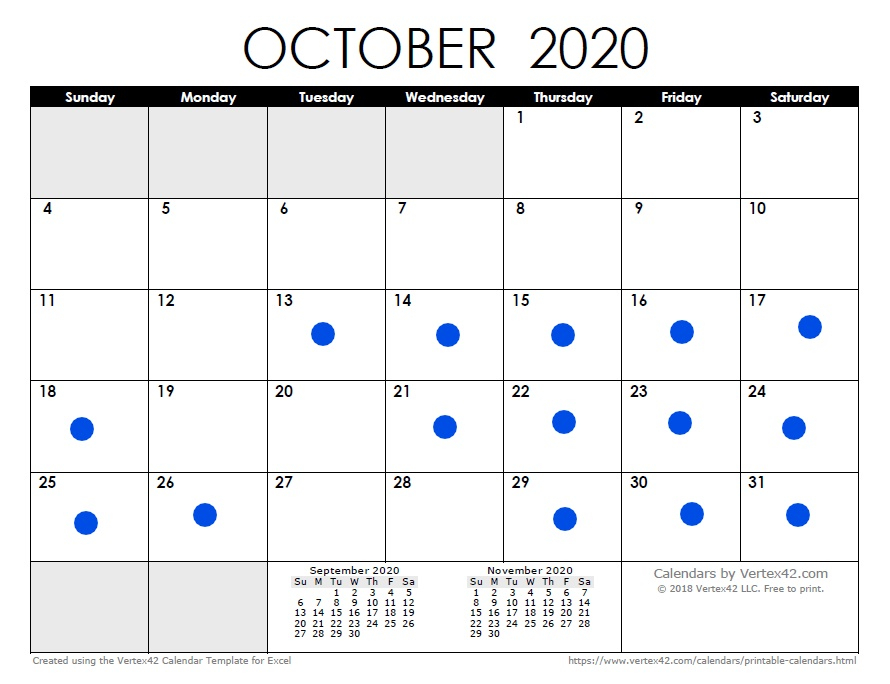
You are not working 48 hours a week. As that would result in just one day off a week.
Rota will be constructed that way to be fair to everyone. Otherwise some people would always work weekends for example. Saves someone the admin of rostering .0 -
If you don’t like it why have you agreed to do it?0
-
If you mark up a rota for this over an eight week period (That's how long it is before the rota starts to repeat itself) you will get two weeks when you work six days and get one day rest and six weeks when you work five days and get two days rest. If you think about it if you are working six days and the rota moves forward one day each week you have to have one week when the rest day is the last day of the week and one when it is the first day of the week.
So on an eight week pattern you have two weeks when you get one day rest that is 1/4 of the rota and six weeks when you get two days rest. A quarter of the weeks that you work have only one day rest.
If you work on a "normal" pattern of five days work and then a weekend off you always have two days rest.
So you are working for two extra days for 1/4 of the year.
So 13 weeks * 8 hours is 104 extra hours
An average of 2 hours extra per week.
You are working on average 42 hours per calendar week not 40
Whether that is of any practical use I do not know but you are correct that you are working more than 40 hours a week.
0 -
I'm not sure why you have a 40 hour working week in your head and think that you should get paid overtime above this.
The working week generally hasn't been 40 hours for many years.
You can work up to 48 hours weekly, and even more if you agree to it.
As long as you get paid for the hours you work, at the agreed rate, there is no issue.1 -
6 on 2 off 8hr shifts is average 42 hours weeks.
That's your problem if you are only paid for 40hr weeks.
There can be an issue with min wage legislation on low wages depending on pay periods.
0










Confirm your email address to Create Threads and Reply

Categories
- All Categories
- 354.4K Banking & Borrowing
- 254.4K Reduce Debt & Boost Income
- 455.4K Spending & Discounts
- 247.3K Work, Benefits & Business
- 604K Mortgages, Homes & Bills
- 178.4K Life & Family
- 261.5K Travel & Transport
- 1.5M Hobbies & Leisure
- 16K Discuss & Feedback
- 37.7K Read-Only Boards